
May 20, 2026 · Optics and Sights
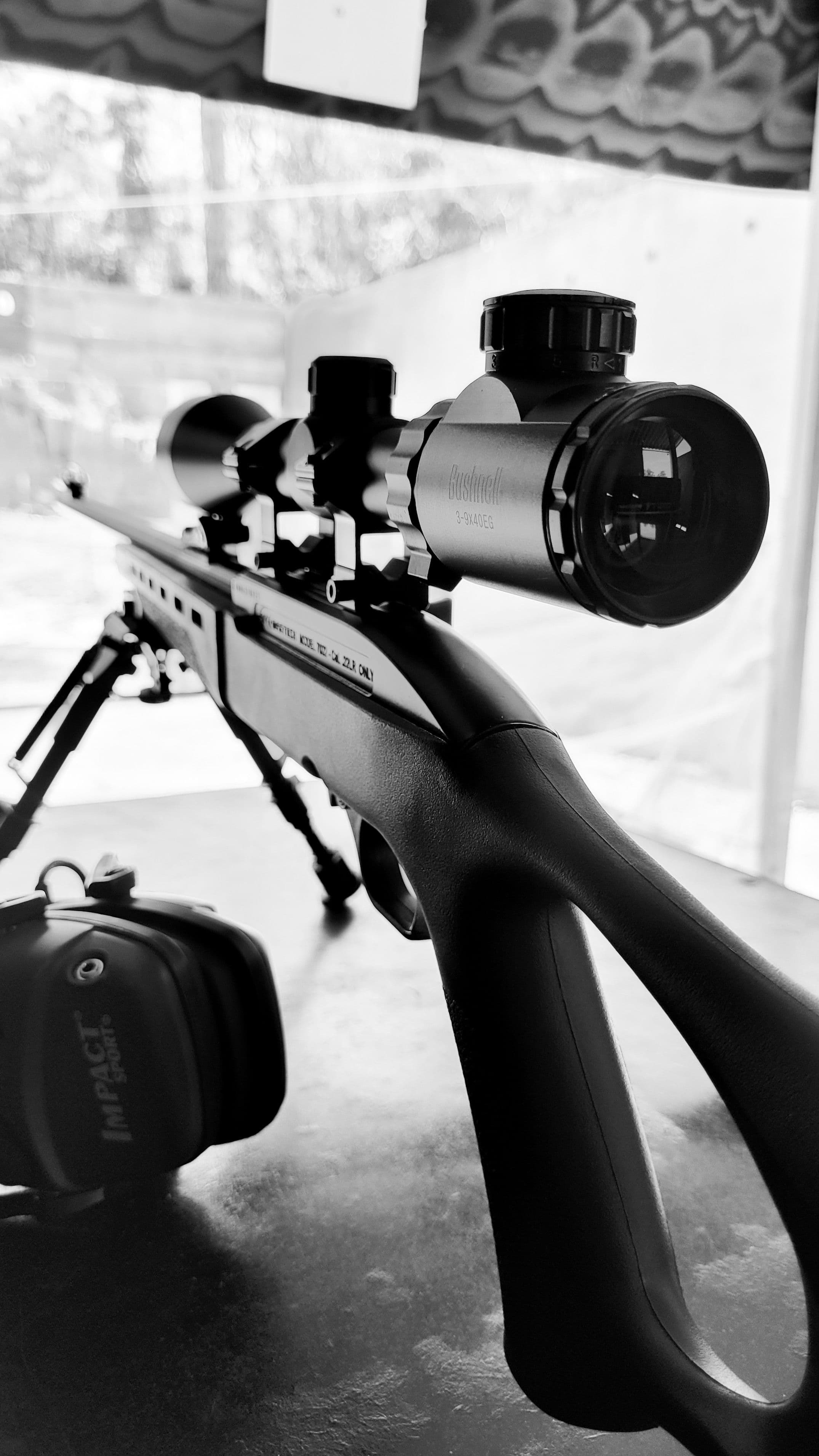
Mounting a scope looks like a simple job. Set it in the rings, tighten the screws, and head to the range. In practice, a scope that is mounted even slightly wrong can cause frustrating accuracy problems that no amount of adjusting the turrets will fully fix. We see this a lot in the shop: a customer brings in a rifle that will not group the way it used to, and the root cause turns out to be the mount, not the rifle or the ammunition.
Why Reticle Leveling Matters
A reticle that is not perfectly level relative to the rifle's bore introduces a small error that grows with distance. At close range it might be invisible. At longer distances, especially when you start dialing for elevation or wind, a tilted reticle causes your point of impact to drift off to one side in a way that looks like a wind call error but is actually a mounting error. This is one of the most common and most overlooked mistakes in DIY scope mounting.
- ◆A tilted reticle causes horizontal drift that gets worse as you dial elevation
- ◆The error is often mistaken for a scope tracking issue or ammunition inconsistency
- ◆Proper leveling requires reference points on both the rifle and the scope, not just eyeballing it
Why Torque Specifications Matter
Scope rings and bases have specific torque values for a reason. Too loose, and the scope can shift under recoil, slowly changing your zero without any obvious cause. Too tight, and you risk damaging the scope tube, creating stress that affects internal components over time, or even cracking a mount. A torque wrench designed for this purpose, used correctly and evenly across all screws, is the difference between a mount that holds zero for years and one that quietly drifts after every range trip.
Bore Sighting Before You Ever Fire a Shot
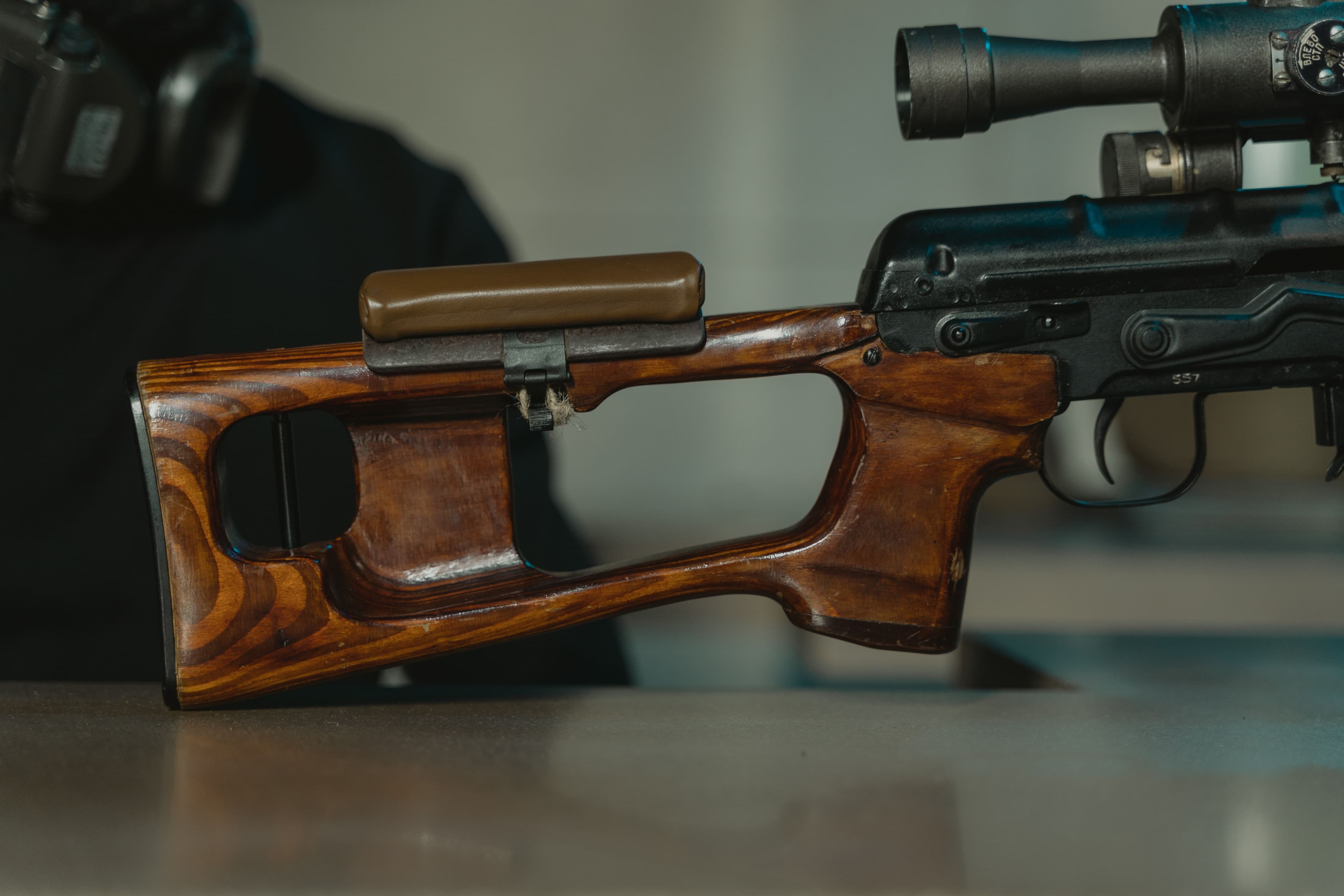
Bore sighting gets a scope roughly aligned with the bore before you fire your first confirming shots. Skipping this step, or doing it poorly, means your first shots on paper could miss the target entirely, which wastes ammunition and range time and can make it harder to diagnose whether an issue is with the mount, the scope, or your zeroing process. A proper bore sight sets you up to zero efficiently instead of guessing your way there.
Common DIY Mounting Mistakes
- ◆Eyeballing reticle level instead of using a proper leveling reference
- ◆Tightening ring screws unevenly or to inconsistent torque values
- ◆Using the wrong ring height for the scope objective size, causing contact with the barrel or an uncomfortable cheek weld
- ◆Skipping bore sighting and going straight to live fire zeroing
- ◆Not checking eye relief and mounting the scope too far forward or back
- ◆Overtightening in an attempt to prevent movement, which can damage the scope tube
What Careful Mounting Actually Looks Like
A proper scope mounting process starts with confirming the rifle, base, rings, and scope are all matched correctly for fit. From there it involves leveling the reticle using a dedicated reference rather than guesswork, torquing every screw to the manufacturer's specification in the correct pattern, checking eye relief and cheek weld comfort, and bore sighting before the rifle ever goes to the range for final zeroing. Each step protects the ones that come before and after it.
Why This Is Worth Getting Right the First Time
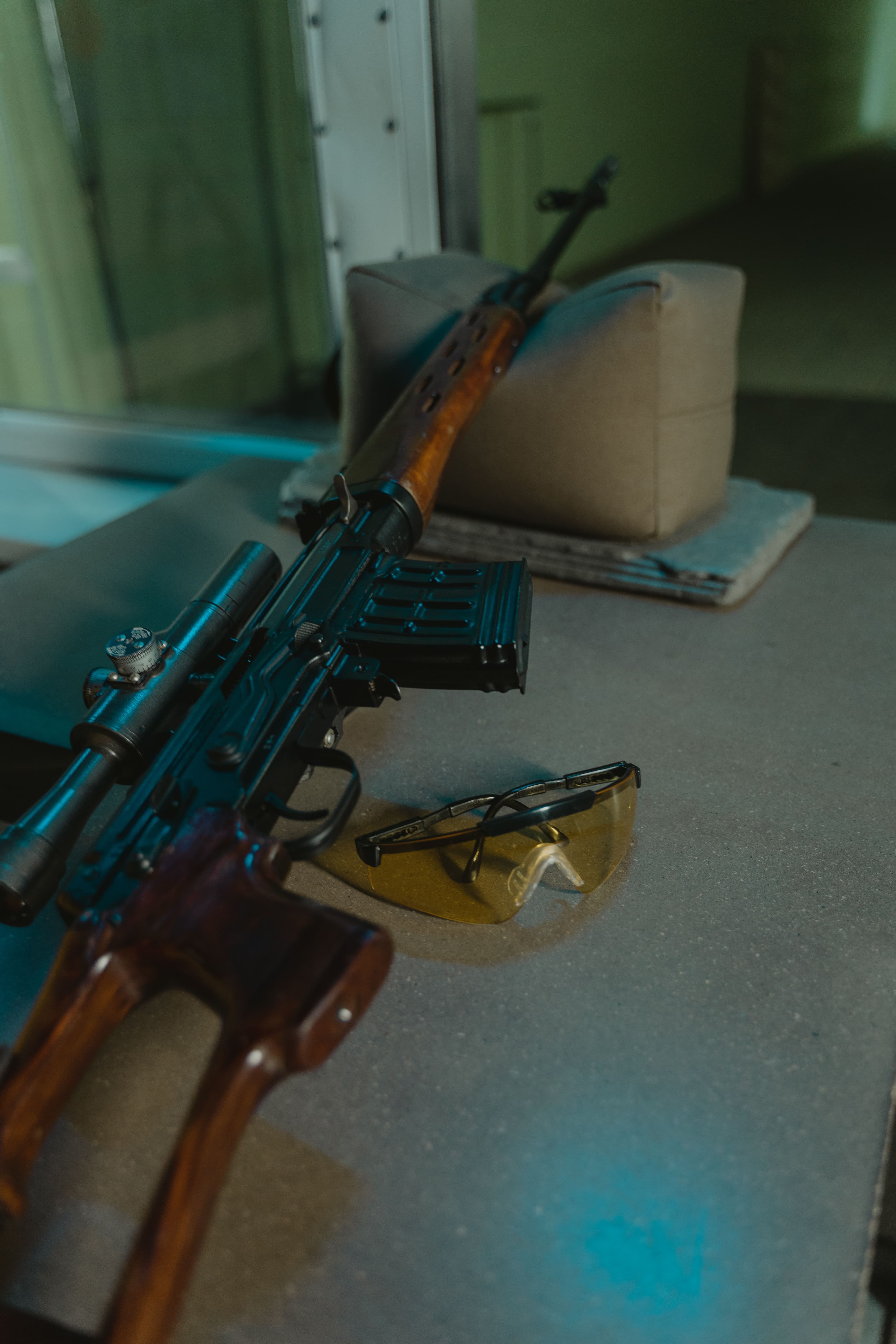
A quality scope on a quality rifle can still shoot poorly if the mount is not done correctly, and diagnosing a mounting problem after the fact often takes more time, more ammunition, and more frustration than doing it right from the start. If you are investing in good glass for hunting or precision shooting, having it mounted with care protects that investment and gets you shooting confidently much sooner.
Frequently Asked Questions
Can a poorly mounted scope actually damage the rifle or scope?
+
Yes. Overtightened rings can stress or crack a scope tube, and a loose mount can allow enough movement under recoil to damage internal components over time.
How do I know if my current scope mount is causing accuracy issues?
+
Signs include impact that drifts to one side as you dial elevation, a zero that will not hold between range trips, or noticeable movement when you check the rings by hand. A professional check can confirm it quickly.
Is bore sighting really necessary if I plan to zero with live fire anyway?
+
It saves significant time and ammunition by getting your first shots close to the target instead of missing the paper entirely, which also makes it much easier to diagnose any other issues.
Do all scopes need to be leveled the same way?
+
The principle is the same across scopes, but the specific reference points and tools used can vary depending on the rifle and mount setup. A gunsmith will use the right method for your specific combination.
How long does professional scope mounting take?
+
It varies by setup, but it is generally a same-day or short turnaround service once the rifle, base, rings, and scope are all on hand.
Can you mount a scope I purchased elsewhere?
+
Yes, we regularly mount customer-supplied optics. Bring in the rifle, rings if you have them, and the scope, and we will confirm everything is compatible before starting.