
February 3, 2026 · Optics and Sights
Ask most shooters what makes a rifle or pistol accurate, and they will talk about ammunition, barrel quality, or trigger feel. Fewer people think about the sights themselves, yet a sight that is even slightly off can undo all of that other work in an instant. Whether you are running iron sights, fiber optics, or a set of night sights on a carry pistol, the way those sights are installed matters just as much as which sights you chose.
At Custom Gunworks, sight installation is one of the most common requests we get, and one of the most misunderstood. It looks simple from the outside: a sight goes into a slot or dovetail, gets tightened down, and you are done. In practice, getting a sight to sit true, stay put under recoil, and align correctly with the bore takes attention to detail that a rushed job will miss.
What Proper Sight Installation Actually Involves
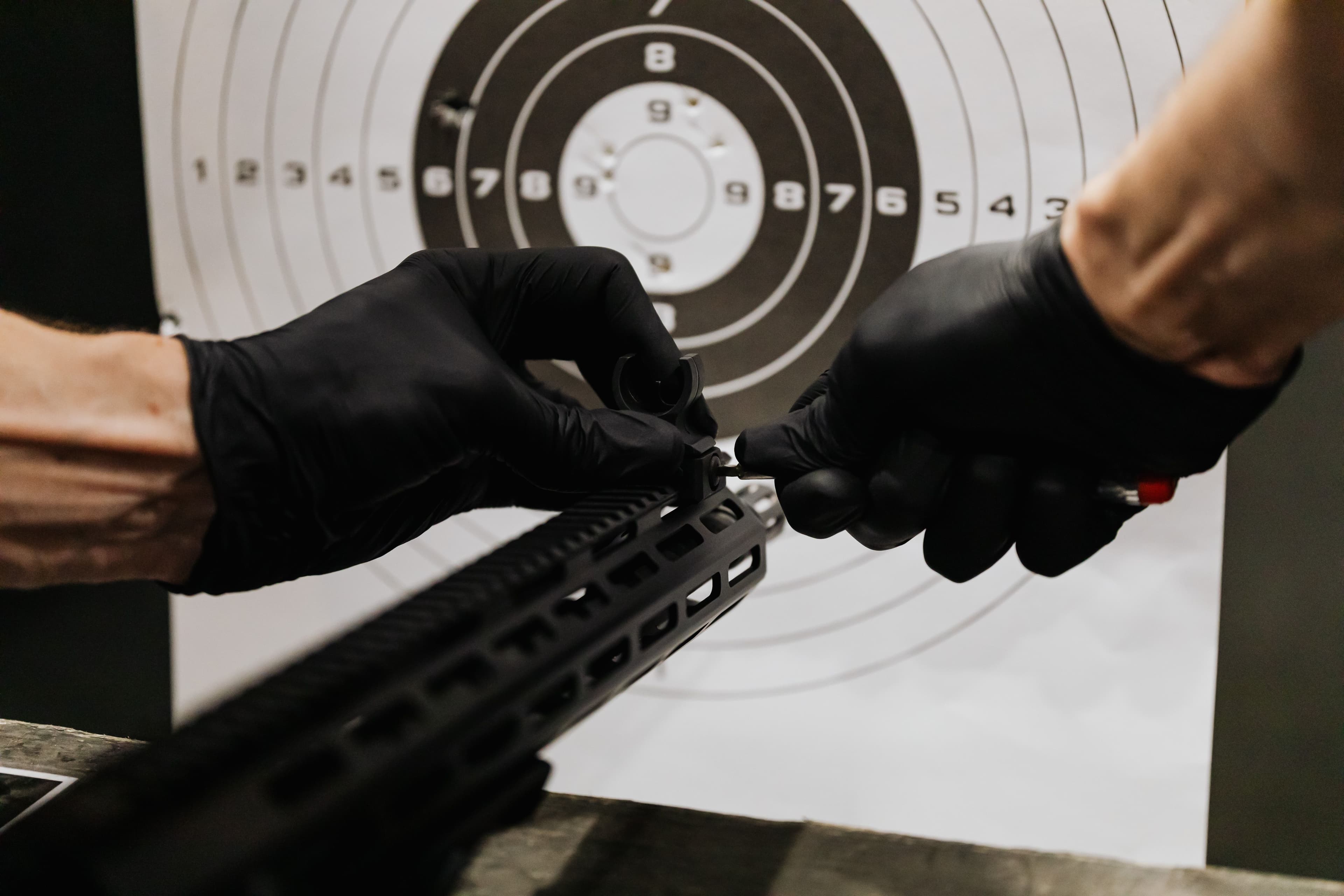
Sight installation is not just physically attaching a piece of metal or fiber optic housing to a firearm. It is a process of fitting, aligning, and securing a component so that where you look through or over the sight matches where the bullet actually lands. That means the work has to account for the specific firearm, the specific sight, and how the two are meant to interact.
Fit and Dovetail Work
Many sights, especially on handguns and some rifles, seat into a dovetail cut in the slide or barrel. Dovetails vary in width and depth by manufacturer and even by model year, so a sight that is rated for one platform may need to be fit precisely rather than simply pressed into place. A sight that goes in too loose can walk or shift under recoil. One that is forced in too tight can crack a sight body or damage the dovetail itself, which turns a simple upgrade into a repair job.
Alignment With the Bore
Even a perfectly seated sight is useless if it is not aligned correctly. Front and rear sights need to work together, and on a drilled and tapped or rail mounted setup, screw holes need to line up so the sight sits square rather than canted. A sight that leans even a few degrees off vertical will throw windage off at distance, and that kind of error is often invisible until you are actually on paper or in the field.
Iron Sights, Fiber Optics, and Night Sights
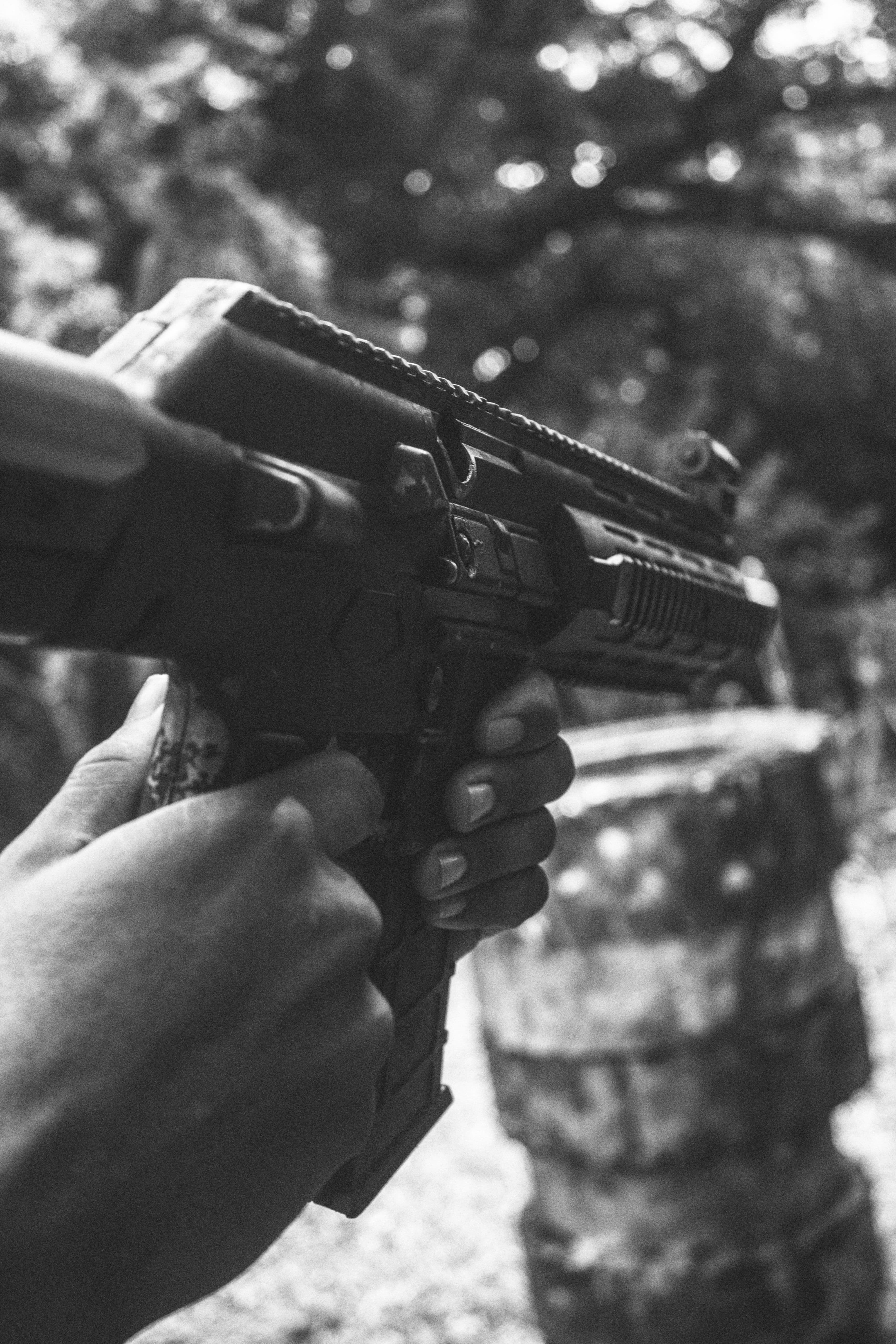
Not every sight serves the same purpose, and part of choosing the right setup is understanding what each style is generally suited for. We are happy to talk through options for a given firearm and use case during a shop visit.
- ◆Traditional iron sights: durable, simple, and a good baseline for many rifles and shotguns used for general purpose shooting.
- ◆Fiber optic sights: use ambient light to create a bright, easy to pick up dot or bar, popular for faster target acquisition in daylight conditions.
- ◆Night sights: typically use tritium inserts to remain visible in low light, common on defensive handguns where visibility in dim conditions matters.
- ◆Adjustable sights: allow windage and elevation changes without swapping the whole unit, useful for shooters who want to fine tune zero themselves after the initial setup.
Each of these options has tradeoffs in durability, visibility, and cost, and the right choice depends on how the firearm is actually used. A sight that is great for a range gun may not be the best pick for a firearm carried daily or used in the field.
Why the Install Affects Accuracy More Than People Expect
A sight that is mounted slightly off, or that is not fully secured, will cost you accuracy in ways that are hard to diagnose after the fact. Shooters often assume a miss is a shooting problem, an ammunition problem, or even a scope problem, when the real culprit is a sight that shifted or was never properly zeroed to begin with.
Common Mistakes We See
- ◆Sights installed without checking for square alignment to the bore
- ◆Fasteners tightened without proper thread locker, allowing the sight to loosen over time
- ◆Dovetail sights forced into place, damaging the sight body or the slide
- ◆No final function or zero check after installation
These are the kinds of issues that a careful, methodical installation process is built to avoid. Taking the time to fit each sight correctly, verify alignment, and confirm everything is secure before it leaves the shop makes the difference between a sight that performs and one that becomes a recurring headache.
When to Have a Gunsmith Handle Sight Work
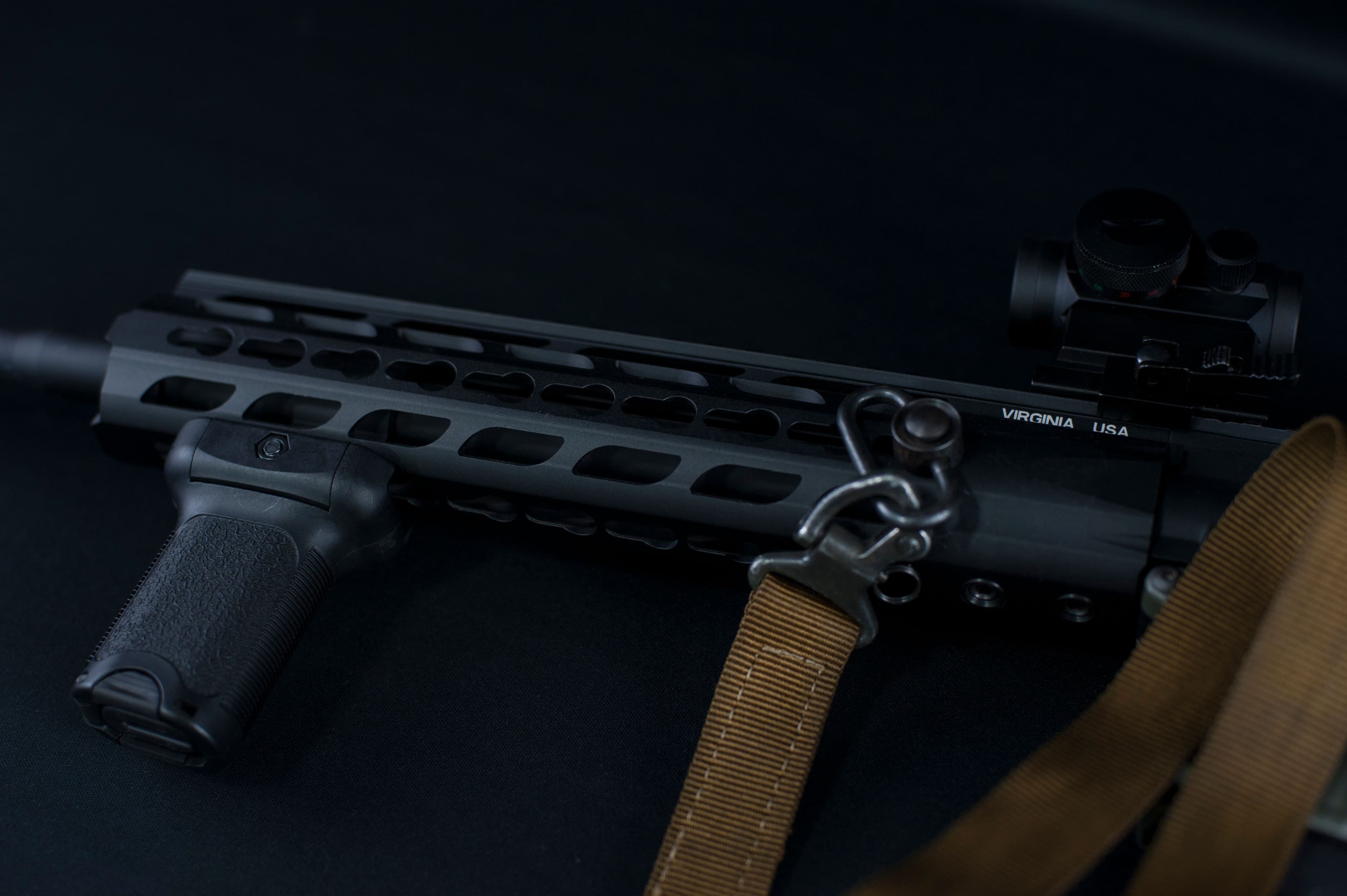
Some sight swaps are straightforward, but others involve drilling, tapping, precise dovetail fitting, or working with firearms that have collector or sentimental value where a mistake is not something you want to risk. If you are installing sights on a defensive firearm, a hunting rifle you rely on, or anything where accuracy genuinely matters, having the work done by someone with the right tools and experience is worth it.
We also recommend a professional install any time you are combining a sight upgrade with other work, such as a new finish or general service, so everything can be checked and function tested together rather than treated as separate one off tasks.
Frequently Asked Questions
How long does sight installation typically take?
+
It depends on the firearm and sight type, but many jobs can be completed same day or within a few business days. Give us a call or stop by and we can give you a realistic timeframe for your specific setup.
Can you install night sights on my carry pistol?
+
Yes, night sight installation is a common request. We fit the sights to your specific slide and dovetail and check alignment before it leaves the shop.
Do I need new sights, or can my current ones be adjusted?
+
Not always. Sometimes an alignment or tightening issue is the actual problem, not the sight itself. We can inspect your current setup and let you know honestly whether an adjustment or a replacement makes more sense.
Will a new sight require a fresh zero?
+
Generally yes. Any time a sight is installed or replaced, you should expect to re-zero the firearm before relying on it for hunting, defense, or serious shooting.
Do you work on shotguns and handguns, or just rifles?
+
We install and service sights across rifles, shotguns, and handguns. Bring in your firearm and we can talk through what options fit your platform.
What should I bring with me for a sight installation appointment?
+
Bring the unloaded firearm cased, the sights you would like installed if you have already purchased them, and any relevant tools or accessories like a specific holster if fit matters. We can also help you choose sights if you have not decided yet.