February 20, 2026 · Optics and Sights
Picking a scope is one of those decisions that feels overwhelming until you break it down into a few key questions. Walk into any optics aisle and you will find dozens of models at every price point, each claiming to be the best option for hunters. Most of that noise falls away once you think through how and where you actually hunt.
This guide covers the core decisions that matter most, magnification range, tube size, and reticle type, so you can narrow the field before you ever pick up a scope in person.
Start With How and Where You Hunt
Before comparing specs, think honestly about your hunting conditions. Someone glassing open western terrain for mule deer at three hundred yards has very different needs than someone still-hunting whitetail in thick eastern timber where most shots happen under a hundred yards. Your terrain, typical shot distance, and target game should drive every other decision in this guide.
Magnification: More Is Not Always Better
It is tempting to assume higher magnification automatically means a better scope, but that is not how it works in the field. Higher magnification narrows your field of view, makes the reticle more sensitive to movement, and can actually work against you at close range or in fast-moving situations.
- ◆Thick timber and brush hunting: a lower range like 2-7x or 3-9x often works better, since shots tend to be close and you need a wide field of view to find game quickly
- ◆Mixed terrain and general big game hunting: a versatile 3-9x or 4-12x range covers most realistic hunting scenarios
- ◆Open country and long-range glassing: higher ranges like 4-16x or 6-24x give you the reach to identify and place shots on distant game
- ◆Fast-moving or dangerous game hunts: lower fixed or low-variable magnification helps you acquire targets quickly
A good rule of thumb is to choose the lowest magnification range that comfortably covers your realistic shot distances, rather than the highest number available. Most hunters are better served by a solid 3-9x or 4-12x scope than an oversized optic they rarely use above 8x.
Tube Size and What It Actually Affects
Tube diameter, usually 1 inch or 30mm on hunting scopes, affects two main things: the range of windage and elevation adjustment available, and how much light the scope can theoretically transmit, though tube size alone does not determine brightness the way many people assume. Lens quality and coatings matter just as much, if not more.
A 30mm tube generally offers more adjustment range, which matters if you plan to dial for distance or if your rifle and mount setup requires extra elevation travel. A 1 inch tube is often lighter and still plenty capable for most hunting applications where you are not making major adjustments in the field.
Reticle Type: Simple Versus Ballistic
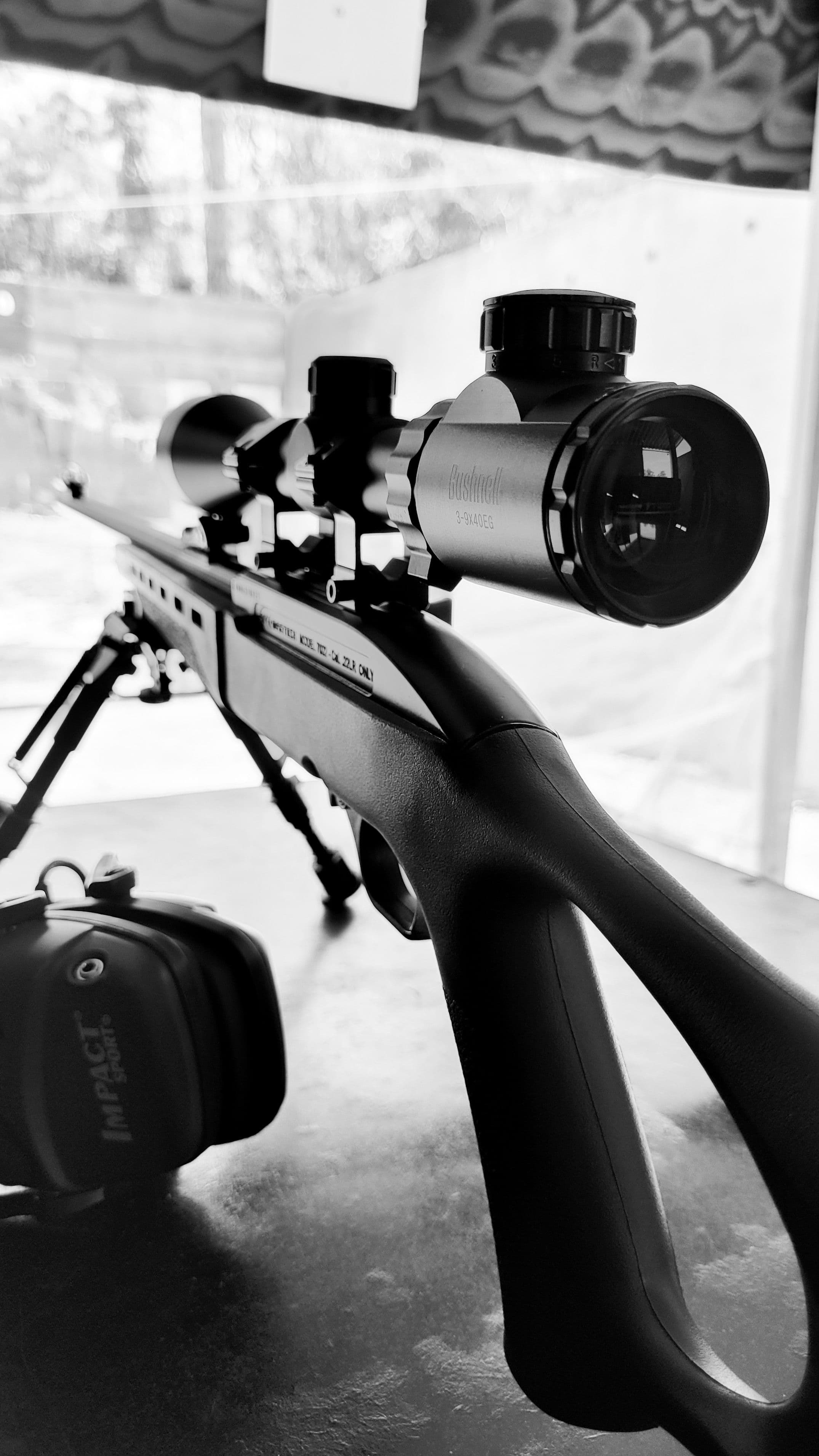
Reticle choice comes down to how you like to account for bullet drop and how much time you want to spend learning a system before hunting season.
- ◆Simple duplex reticles: straightforward crosshairs that are easy to use and ideal for hunters who sight in at a set distance and hold accordingly
- ◆Bullet drop compensating reticles: include additional marks below the center crosshair calibrated to common calibers or velocities, useful for hunters comfortable estimating range and holdover
- ◆Mil-dot or MOA-based reticles: offer precise holdover and windage references, popular with hunters who also shoot long-range or want maximum versatility
- ◆Illuminated reticles: add a lit center dot or crosshair, helpful in low light conditions common at dawn and dusk
There is no universally correct answer here. A duplex reticle paired with disciplined range estimation serves plenty of hunters perfectly well, while others prefer the built-in reference points a ballistic reticle provides.
Other Factors Worth Considering
Beyond magnification, tube size, and reticle, a few other details matter. Eye relief should be generous enough to be comfortable and safe with your rifle's recoil. Lens coatings affect brightness and glare in various light conditions. Parallax adjustment becomes more important as magnification and shooting distance increase. And durability, including waterproofing and shock resistance, matters more than most first-time buyers expect, since a hunting scope takes a beating in the field.
Why Proper Mounting Matters as Much as the Scope Itself
Even a great scope will underperform if it is not mounted correctly. Poor alignment, incorrect torque on the rings, or a mount that is not matched properly to your rifle's action can cause point of impact shifts, lost zero, or damage to the scope itself under recoil.
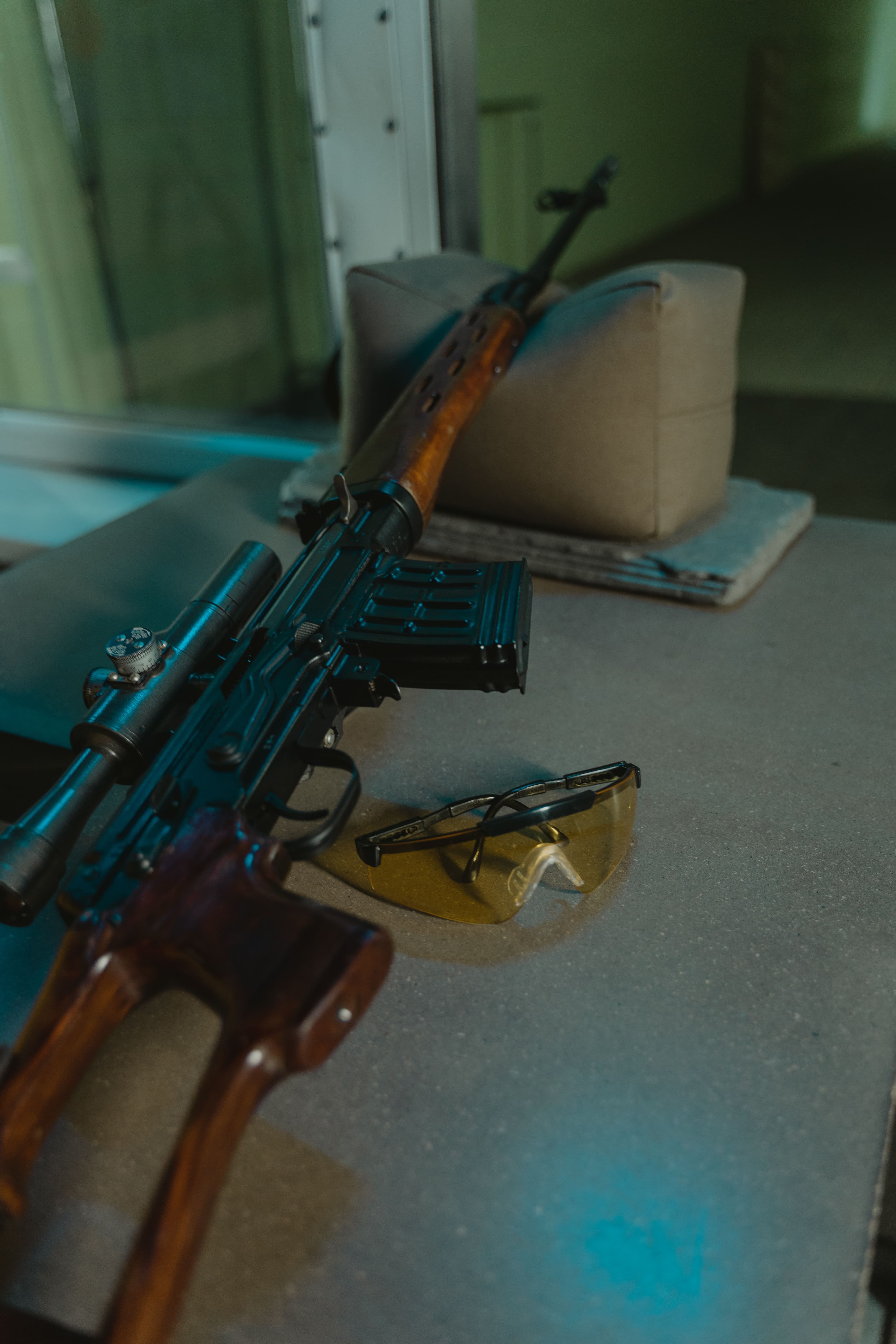
We handle scope mounting on the same principle we apply to every job on the bench: level, torqued to spec, and checked before it goes back in your hands. If you are unsure whether your current scope is mounted correctly, or if you have picked out a new optic and want it installed right the first time, that is exactly the kind of work we do regularly.
Bringing It All Together
Choosing a scope does not have to be complicated once you know your hunting conditions, typical shot distances, and how you prefer to account for bullet drop. Pick the magnification range that matches your terrain rather than the biggest number on the shelf, choose a tube size that fits your adjustment needs, and select a reticle style you will actually be comfortable using under hunting conditions, not just at the range.
Frequently Asked Questions
What magnification range is best for whitetail hunting in the woods?
+
A 2-7x or 3-9x range is usually a good fit for wooded whitetail hunting, since shots tend to be closer and you benefit from a wider field of view to find and track game quickly.
Is a 30mm tube always better than a 1 inch tube?
+
Not necessarily. A 30mm tube typically offers more adjustment range, but a 1 inch tube is lighter and still performs well for most hunting scenarios that do not require extensive dialing.
Do I need an illuminated reticle?
+
It depends on how often you hunt in low light. Illuminated reticles help in dawn and dusk conditions but are not essential for every hunter, especially those who primarily hunt during full daylight.
How much should I expect to spend on a quality hunting scope?
+
Prices vary widely based on brand, lens quality, and features. It is generally worth investing in the best glass your budget allows, since optical clarity affects your ability to identify game accurately.
Can you mount a scope I purchased elsewhere?
+
Yes, we regularly mount scopes on customer-supplied rifles and optics. We will level, torque, and bore sight the setup properly before it leaves the shop.
How often should I check that my scope is still holding zero?
+
It is good practice to confirm zero at the start of each season and after any significant travel, drop, or impact, even minor ones, to make sure nothing has shifted.