
February 10, 2026 · Firearm Maintenance
Most firearm owners understand that a gun needs to be cleaned after it is fired. Far fewer treat maintenance as an ongoing relationship rather than a one time chore after a range day. At Custom Gunworks, the firearms that come in for the most serious repairs are almost never the ones that see regular attention. They are the ones that sat in a closet or a truck for years, fired occasionally, wiped down rarely, and inspected almost never.
Regular maintenance is not about being obsessive with your equipment. It is about catching small issues while they are still small, and making sure the firearm you trust for hunting, home defense, competition, or collecting performs the way it was built to perform every single time you pick it up.
The Real Cost of Skipping Maintenance
Neglect rarely shows itself right away. A firearm can look clean on the outside while carbon builds up in the action, moisture works its way into a barrel, or a spring slowly loses tension. By the time a malfunction happens, whether that is a failure to feed, a sluggish trigger, or a bolt that will not lock up properly, the underlying problem has usually been developing for a long time.
- ◆Corrosion that starts as light surface rust can pit metal and require refinishing or part replacement
- ◆Dried or gummed up lubricant increases friction on moving parts and accelerates wear
- ◆Loose screws and pins from repeated firing can shift optics, stocks, and furniture out of alignment
- ◆Fouling left in a barrel over time can affect accuracy and make future cleaning much harder
- ◆Small mechanical issues left unaddressed often turn into safety concerns, not just performance ones
The cost of catching these issues early, whether that is a quick inspection at home or a professional service appointment, is almost always smaller than the cost of repairing or replacing damaged parts after months or years of neglect.
What Regular Maintenance Actually Involves
Cleaning and Lubrication
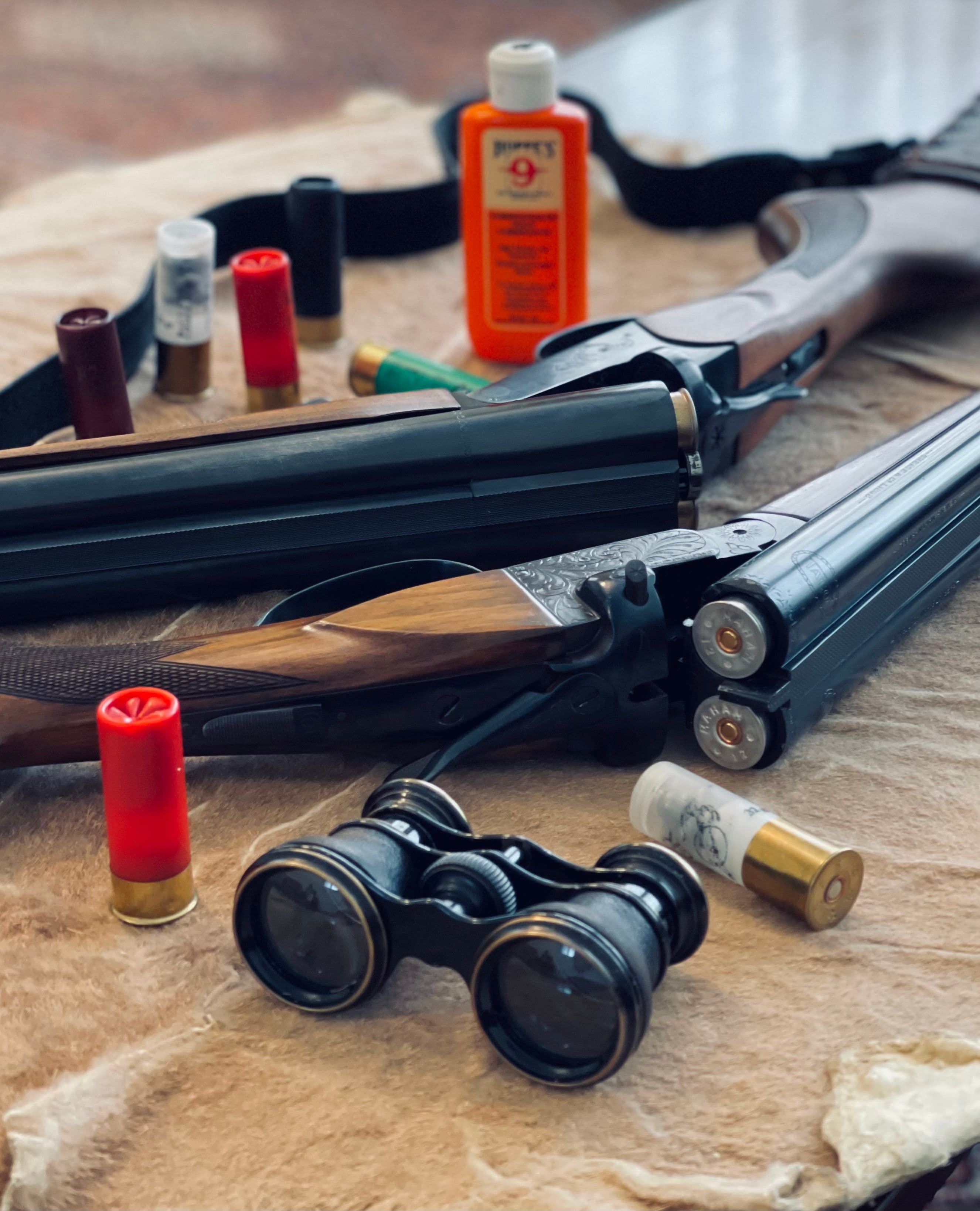
Cleaning is the foundation, but it has to be done correctly to actually help. That means using the right solvents and brushes for the specific firearm, cleaning the bore in the correct direction, removing fouling from the action and feed ramp, and applying lubrication in the right places and the right amounts. Over lubrication attracts dust and grime just as surely as under lubrication invites friction and wear.
Function and Wear Checks
Beyond cleaning, a proper maintenance routine includes checking screws for tightness, inspecting springs for signs of fatigue, verifying that safeties and triggers engage correctly, and looking over the bore for pitting or excessive wear. These are the kinds of checks a professional gunsmith is trained to catch, especially on firearms that see heavy or irregular use.
Reliability, Safety, and Long Term Value
A well maintained firearm is a predictable firearm, and predictability is exactly what you want from a tool that may need to perform flawlessly on a hunt, in a competition, or in a defensive situation. Reliability is not a given. It is the result of consistent care over the life of the firearm.
Maintenance also protects the value of your investment. Firearms that are well cared for hold their condition and their resale value far better than those that show neglect. A prospective buyer, or a gunsmith doing a pre purchase inspection, can usually tell within minutes whether a gun has been cared for or simply used and stored away.
Building a Maintenance Routine That Works
You do not need an elaborate schedule to stay ahead of problems. What matters is consistency.
- ◆Clean and inspect after every range session or hunt, not just when convenient
- ◆Do a quick function check before storing a firearm for an extended period
- ◆Schedule a professional inspection annually, or more often for firearms in heavy rotation
- ◆Keep a simple log of cleanings, repairs, and any parts replaced over the years
- ◆Bring in anything that feels different, sounds different, or looks different right away rather than waiting
If it has been a while since your firearms had a real inspection, or you are noticing something that does not feel quite right, our shop is a good place to start. We look over the whole firearm, not just the symptom you noticed, so small issues get addressed before they become expensive ones.
Frequently Asked Questions
How often should I clean a firearm that I do not shoot often?
+
Even firearms that are rarely fired should be checked and lightly maintained every few months, since humidity and temperature changes can affect metal and wood over time even without use.
Can too much cleaning actually damage a firearm?
+
Excessive or improper cleaning, such as using the wrong solvents or brushing too aggressively, can wear down finishes and rifling over time. Correct technique matters as much as frequency.
What are the warning signs that a firearm needs professional maintenance?
+
Changes in trigger feel, new noises during cycling, visible rust or pitting, sluggish action, or any malfunction that was not happening before are all reasons to schedule an inspection.
Is annual professional maintenance really necessary if I clean my guns myself?
+
Home cleaning covers a lot, but a professional inspection checks things like spring tension, headspace, and wear points that are difficult to evaluate without training and the right tools.
Does regular maintenance affect resale value?
+
Yes. Firearms with documented, consistent care typically show less wear, function better on inspection, and are more attractive to buyers than similar firearms that were neglected.
What is the biggest maintenance mistake you see at the shop?
+
Waiting until something actually fails before bringing it in. Most of the repairs we see could have been simpler, cheaper fixes if they had been caught a few months earlier.