February 18, 2026 · Gunsmithing Tips
A lot of first-time customers walk into a gun repair shop without a clear picture of what happens next. That is understandable. Unlike dropping off a car for an oil change, most people do not have a repair firearm every year, so the process feels unfamiliar. We think a little transparency goes a long way, so here is a straightforward look at how a professional gun repair service actually works from start to finish.
Step One: Intake and Documentation
When you bring a firearm in for repair, the first thing that happens is a documented intake. We confirm the make, model, and condition of the firearm, note any existing wear or cosmetic issues, and record exactly what problem you are experiencing. If you can describe the symptom in detail, such as when it happens, how often, and under what conditions, that information is genuinely useful and speeds up diagnosis.
This step also covers the paperwork side of the business. Depending on the nature of the work and applicable state and federal requirements, we may need to log the firearm and confirm identifying information before any work begins. This is standard practice at any responsible shop and protects both you and us.
Step Two: Diagnosis
Before any tool touches your firearm for repair purposes, a gunsmith performs a full diagnostic. This typically includes a complete function check, a visual inspection of the action, barrel, and critical wear points, and testing of the specific symptom you reported. Sometimes the reported issue and the actual root cause are different things entirely, which is why a proper diagnosis matters more than jumping straight to a fix.
Communicating What We Find
Once diagnosis is complete, we talk you through what we found in plain language. You will hear what is wrong, why it is happening, what it will take to fix it, and roughly what it will cost. We do not move forward with repair work until you understand and approve the plan.
Step Three: The Repair Itself
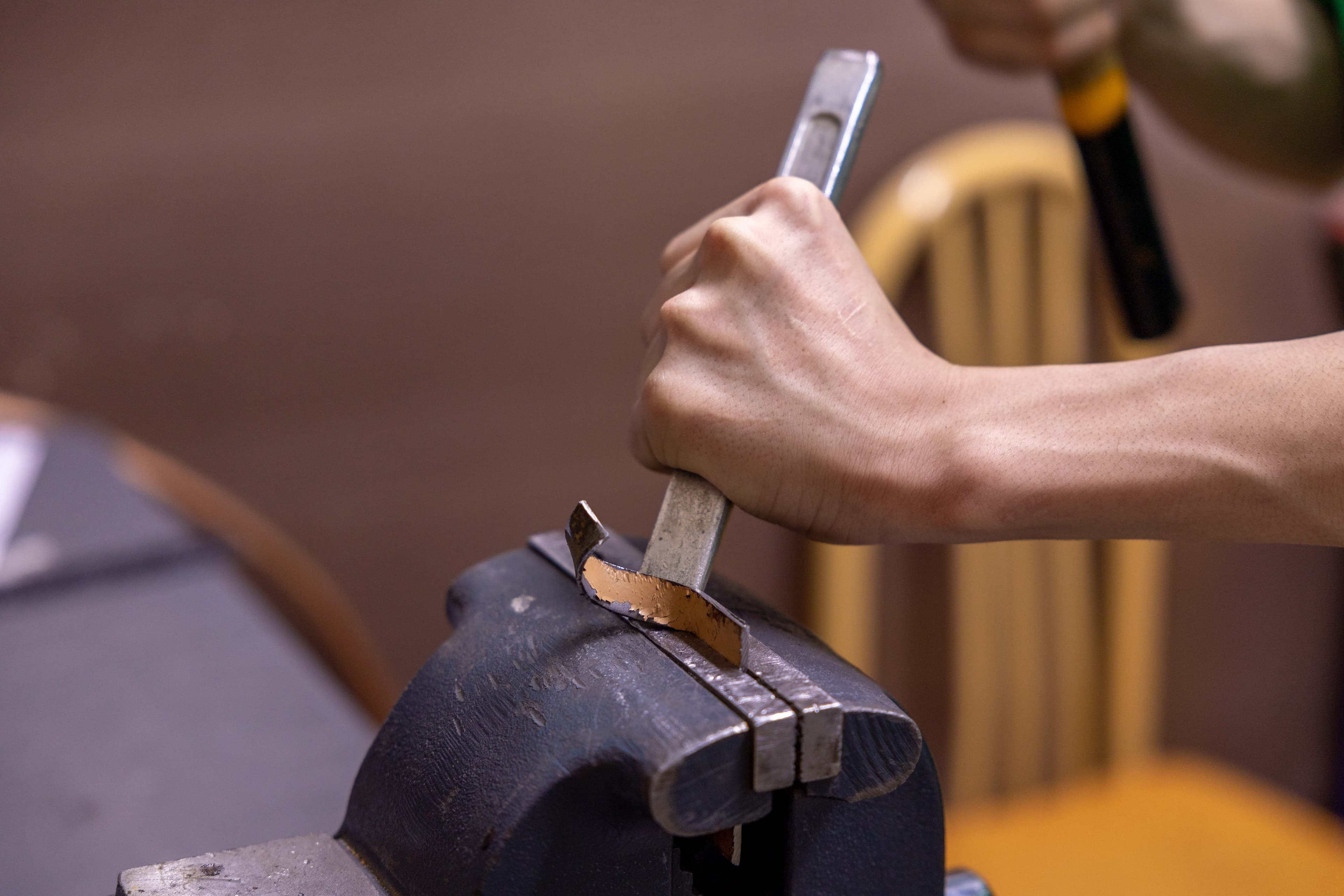
Repairs range from simple to involved. Some jobs, like replacing a worn spring or extractor, can be handled quickly. Others, like addressing a timing issue in a revolver or correcting a feeding problem in a semi-automatic action, take more time and precision. Every repair is done using appropriate tools and, where applicable, factory or quality aftermarket parts.
- ◆Worn or broken springs, pins, and small parts replacement
- ◆Extraction and ejection issues
- ◆Trigger and safety mechanism repair
- ◆Timing and lockup correction on revolvers
- ◆Stock, furniture, and hardware repair
Step Four: Function Testing
A repair is not considered finished until it has been function tested. Depending on the nature of the work, this can mean cycling the action by hand repeatedly, testing trigger pull and reset, checking safety engagement, or in some cases live-fire testing under controlled conditions. We do not hand a firearm back to a customer until we are confident the original issue is resolved.
Step Five: Pickup and Communication
Before you leave with your firearm, we walk you through exactly what was done, show you the parts that were replaced if applicable, and answer any questions about ongoing care. If a repair is more involved and requires extra time, we communicate realistic timelines up front and update you if anything changes. We would rather set an honest expectation than rush a job to hit an arbitrary deadline.
A Note on Timelines
Simple repairs are often turned around quickly, while more complex mechanical work, custom orders, or jobs waiting on a specific part can take longer. Seasonal demand, particularly ahead of hunting season, can also affect turnaround. We always give you a realistic window rather than an optimistic guess.
Any transfer of a firearm into or out of our shop for repair follows standard FFL procedures, and any firearm being sold or transferred to a new owner goes through the required background check process under ATF Form 4473. We take that responsibility seriously and it is simply part of doing business the right way.
Frequently Asked Questions
Do I need an appointment to drop off a firearm for repair?
+
It depends on the shop's current workload, but calling ahead or checking with us directly is always a good idea so we can plan for your visit and give you an accurate timeline.
How long does a typical repair take?
+
Simple repairs can often be completed quickly, while more involved mechanical or custom work takes longer. We give you a specific estimate once diagnosis is complete.
Will you call me before doing any work?
+
Yes. We diagnose first, explain what we found, and get your approval before any repair work begins.
What if the problem turns out to be something different than I thought?
+
That happens more often than people expect. We will explain what we actually found and give you options before proceeding.
Do you use original manufacturer parts?
+
Where possible and appropriate, yes. In some cases a quality aftermarket part is the better or only available option, and we will discuss that with you directly.
Is there paperwork involved in dropping off a firearm for repair?
+
Yes, we document the firearm and the reported issue at intake. This is standard practice and helps ensure accurate, accountable service.