May 5, 2026 · Gunsmithing Tips
Bringing a firearm in for service does not need to be complicated, but a little preparation goes a long way toward making your visit quick, safe, and productive. Customers who arrive with a clear description of the issue, the right accessories, and their firearm properly secured almost always get faster, more accurate service than those who show up without much thought given to the visit.
Below is a practical rundown of what to do before you head to the shop, whether you are coming in for a quick repair, a custom project consultation, or just a routine inspection.
Before You Leave the House
Unload and Verify
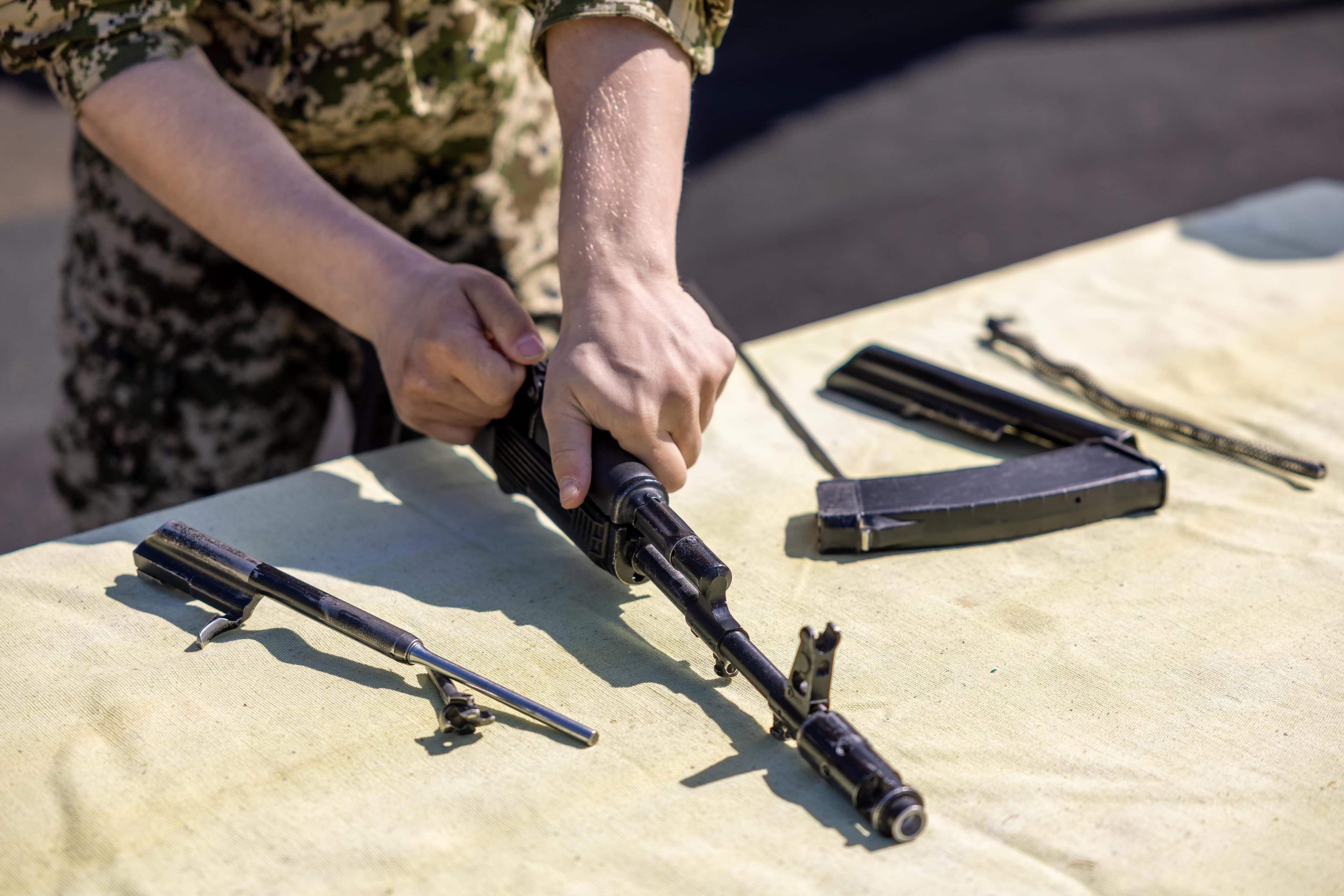
This is the single most important step. Every firearm that comes into our shop should be unloaded and visually verified as clear before it is cased for transport. This is not just a courtesy, it is a basic safety requirement we hold every customer to, no exceptions. If you are not confident checking a firearm's chamber and magazine yourself, treat it as loaded and handle it with that level of caution until it can be verified.
Case It Properly
- ◆Use a hard or soft case appropriate for the firearm type
- ◆Keep the action open where possible during transport
- ◆Separate ammunition from the firearm during transport and storage
- ◆Secure any loose parts, like a detached magazine or optic, inside the case
Proper casing protects the firearm from transport damage and makes it easier for us to safely receive and inspect it once you arrive.
Bring the Right Accessories
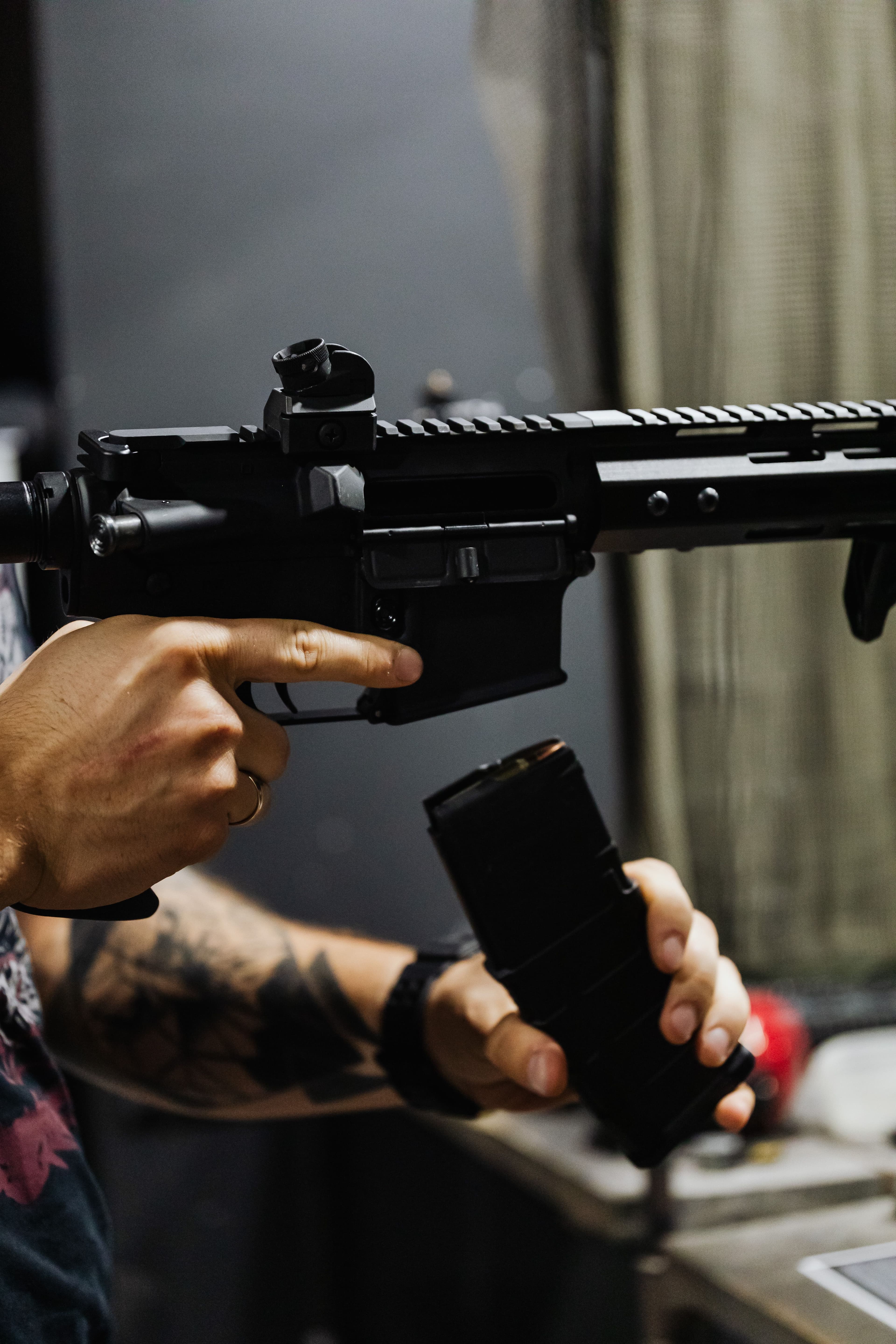
If your issue involves an accessory, like a magazine that will not feed reliably, a sling mount that is loose, or an optic that will not hold zero, bring that accessory with you. Diagnosing a feeding issue without the actual magazine in question, for example, means we are working with less information than we need.
- ◆Magazines involved in any feeding or function issue
- ◆Optics, sights, or mounts related to your service request
- ◆Ammunition type you have been using, if the issue seems ammunition related
- ◆Any aftermarket parts you have already installed on the firearm
Write Down What You Are Experiencing
A clear, specific description of the problem is one of the most useful things you can bring in. Vague descriptions like it is not working right take longer to diagnose than something specific like the bolt fails to lock back on the last round about one in ten magazines. Try to note when the issue happens, how often, and anything that seems to make it better or worse.
Helpful Details to Include
- ◆When the issue started, and whether anything changed around that time
- ◆How often the problem occurs, and under what conditions
- ◆Any recent maintenance, cleaning, or part changes
- ◆Whether the firearm has always had this issue or it developed over time
What to Bring for the Visit Itself
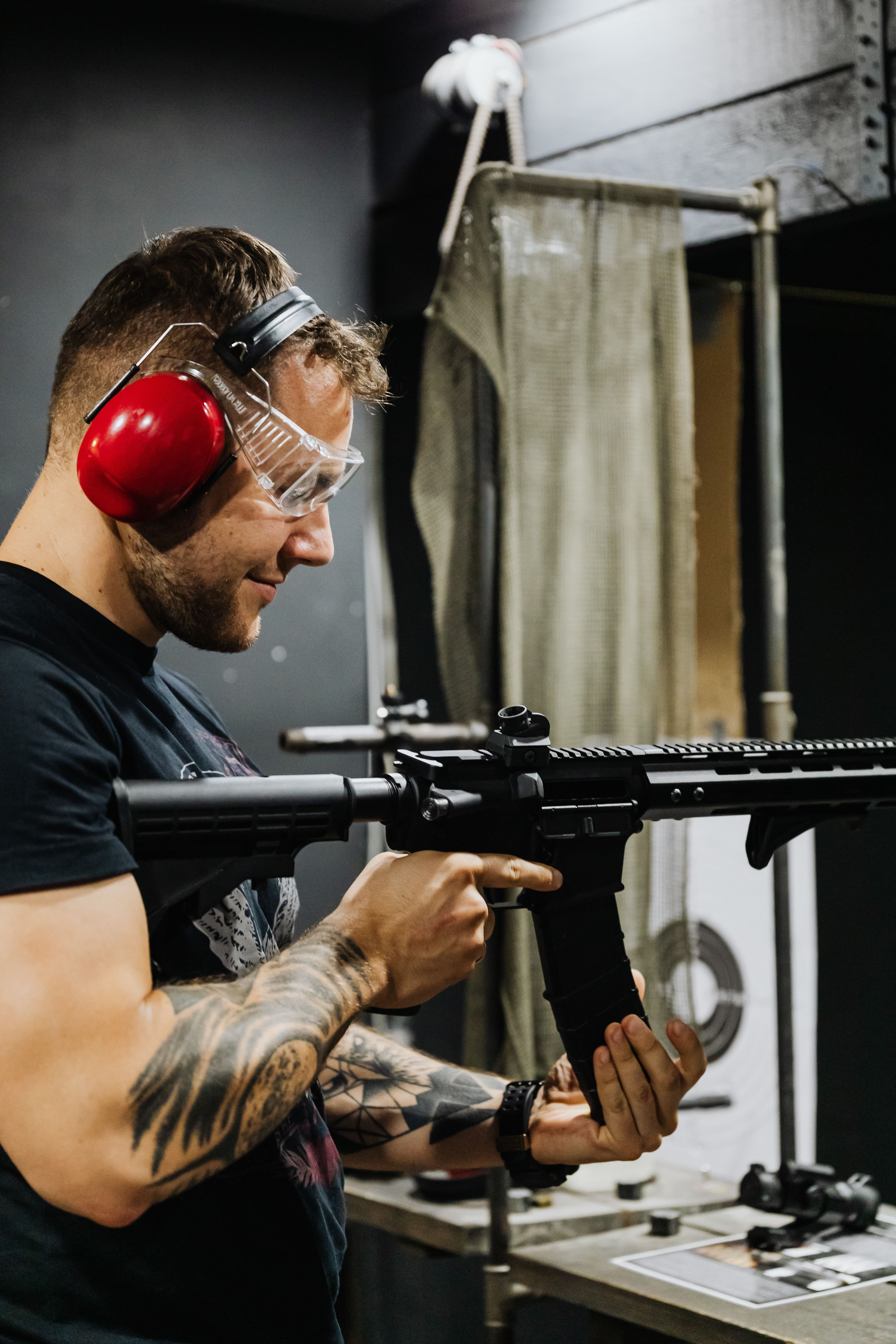
Beyond the firearm itself, plan to bring valid government issued identification, which is required any time a firearm is dropped off, picked up, or transferred through the shop. If your visit involves a transfer, a special order, or anything requiring a background check, expect that an ATF Form 4473 and the standard background check process will apply. We are always happy to explain how that process works if this is your first time going through it.
- ◆Valid government issued photo identification
- ◆The firearm, unloaded and properly cased
- ◆Relevant accessories, magazines, or parts
- ◆Written notes on the issue, including when and how it occurs
A Few Final Notes
If you are unsure whether your issue needs a repair, a full gunsmithing evaluation, or something more involved like restoration, do not worry about diagnosing it yourself before you arrive. Part of our job is figuring that out. Showing up prepared just means we can spend our time actually solving the problem instead of gathering basic information that could have come with you.
Frequently Asked Questions
Do I need an appointment to bring in my firearm?
+
It depends on the type of service. Some quick inspections can be handled as a walk-in, while custom projects and larger repairs are best scheduled ahead of time. Give us a call before you come in and we can point you in the right direction.
What identification do I need to bring?
+
A valid government issued photo ID is required for any drop-off, pick-up, or transfer. If a transfer or special order is involved, an ATF Form 4473 and background check will apply as required by law.
Can I bring in a firearm that is not fully assembled?
+
Yes, that is often fine, especially if the issue relates to a specific part. Just let us know what is disassembled and bring all related components with you.
Should I clean my firearm before bringing it in?
+
You do not need to, and in some cases we would actually prefer to see it in its current state if the issue may be related to buildup, fouling, or a maintenance problem. When in doubt, ask us ahead of time.
What if I do not know exactly what is wrong with my firearm?
+
That is completely fine. Bring in as much detail as you can, and we will walk through the symptoms with you and run our own inspection to identify the actual issue.
Is it safe to transport ammunition with the firearm?
+
We recommend keeping ammunition separate from the firearm during transport whenever possible, both as a safety practice and to keep the drop-off process simple.