April 14, 2026 · Gunsmithing Tips
Customers often call us asking for a repair when what they actually need is a restoration, or they ask about gunsmithing when a simple repair would solve their problem just fine. These terms overlap in everyday conversation, but inside the shop they describe genuinely different kinds of work, with different goals, timelines, and costs. Understanding the difference helps you have a more productive first conversation with any gunsmith shop, including ours.
Gun Repair: Fixing a Specific Problem
Repair work is focused and targeted. It addresses a specific issue that is keeping a firearm from functioning the way it should. A broken spring, a sticky slide, a cracked stock, a trigger that will not reset properly. The goal of repair work is simple: identify what is wrong and correct it so the firearm returns to reliable working order.
- ◆Addresses one identified issue or a small set of related issues
- ◆Usually has a clear, predictable scope once diagnosed
- ◆Focused on function and safety rather than appearance
- ◆Often the fastest of the three types of work to complete
Gunsmithing: Broader Skilled Work
Gunsmithing is a wider umbrella term that covers the full range of skilled work a trained gunsmith performs, including repair, but also including fitting, modification, custom builds, sight and scope work, and general improvements to how a firearm performs. If repair is about fixing what is broken, gunsmithing includes that plus everything involved in tuning, adjusting, and improving a firearm that may not be broken at all.
Examples of Gunsmithing Work
- ◆Trigger jobs to improve pull weight and feel
- ◆Fitting new sights or mounting optics correctly
- ◆Action tuning and reliability improvements
- ◆Custom modifications for performance or fit
- ◆Headspace checks and chamber work
Restoration: Returning a Firearm to Its Former Condition
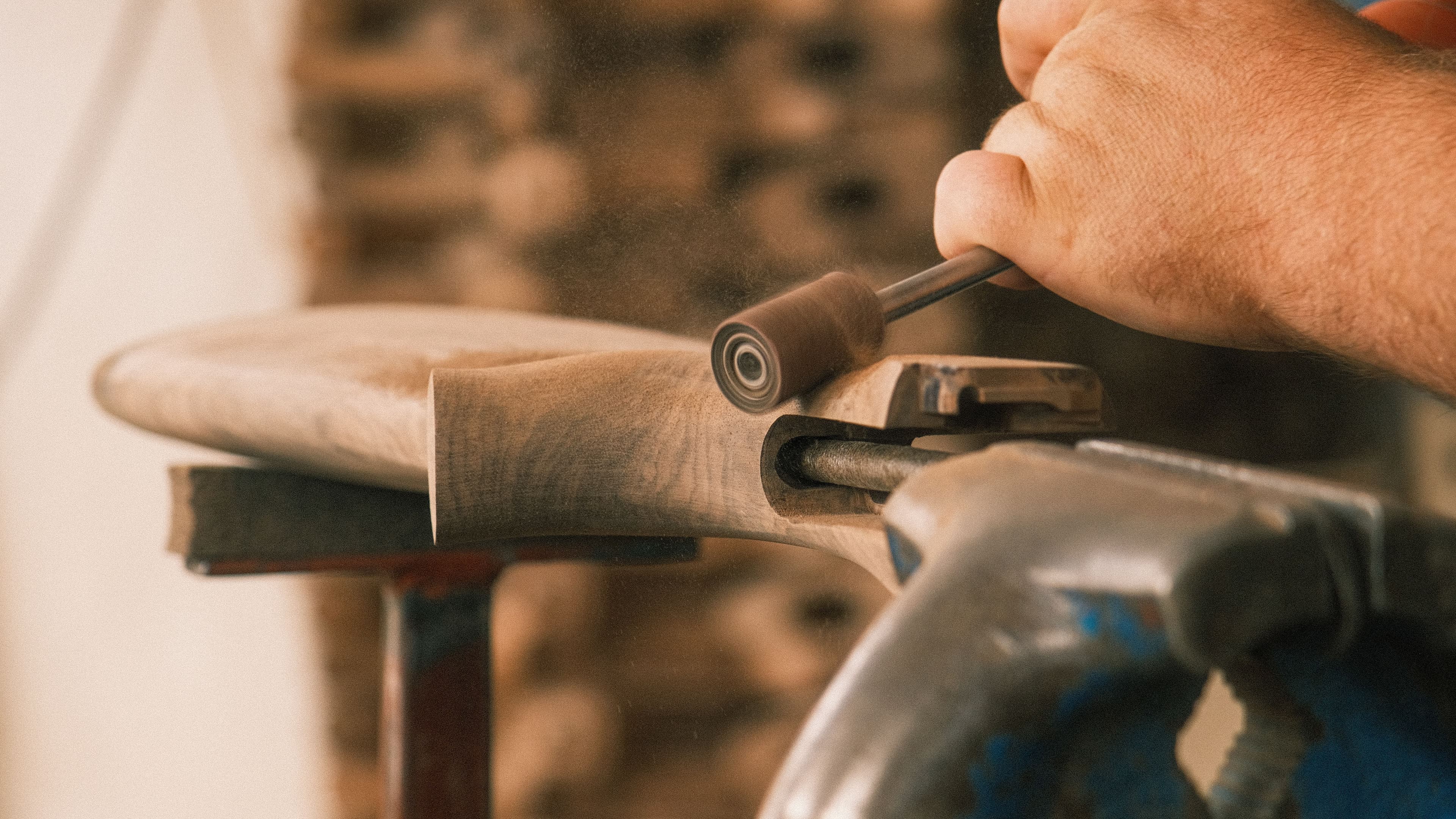
Restoration is its own category entirely, and it is usually reserved for older, inherited, or historically significant firearms. The goal of restoration is not just function, it is bringing a firearm back as closely as possible to its original condition, including finish, wood, and factory details, while respecting its history and, where relevant, its value.
Restoration work tends to be the most involved and time intensive of the three. It may include refinishing metal, restoring or replacing wood furniture to match original specifications, sourcing period-correct parts, and careful attention to details that a casual repair job would not require.
How to Know Which One You Need
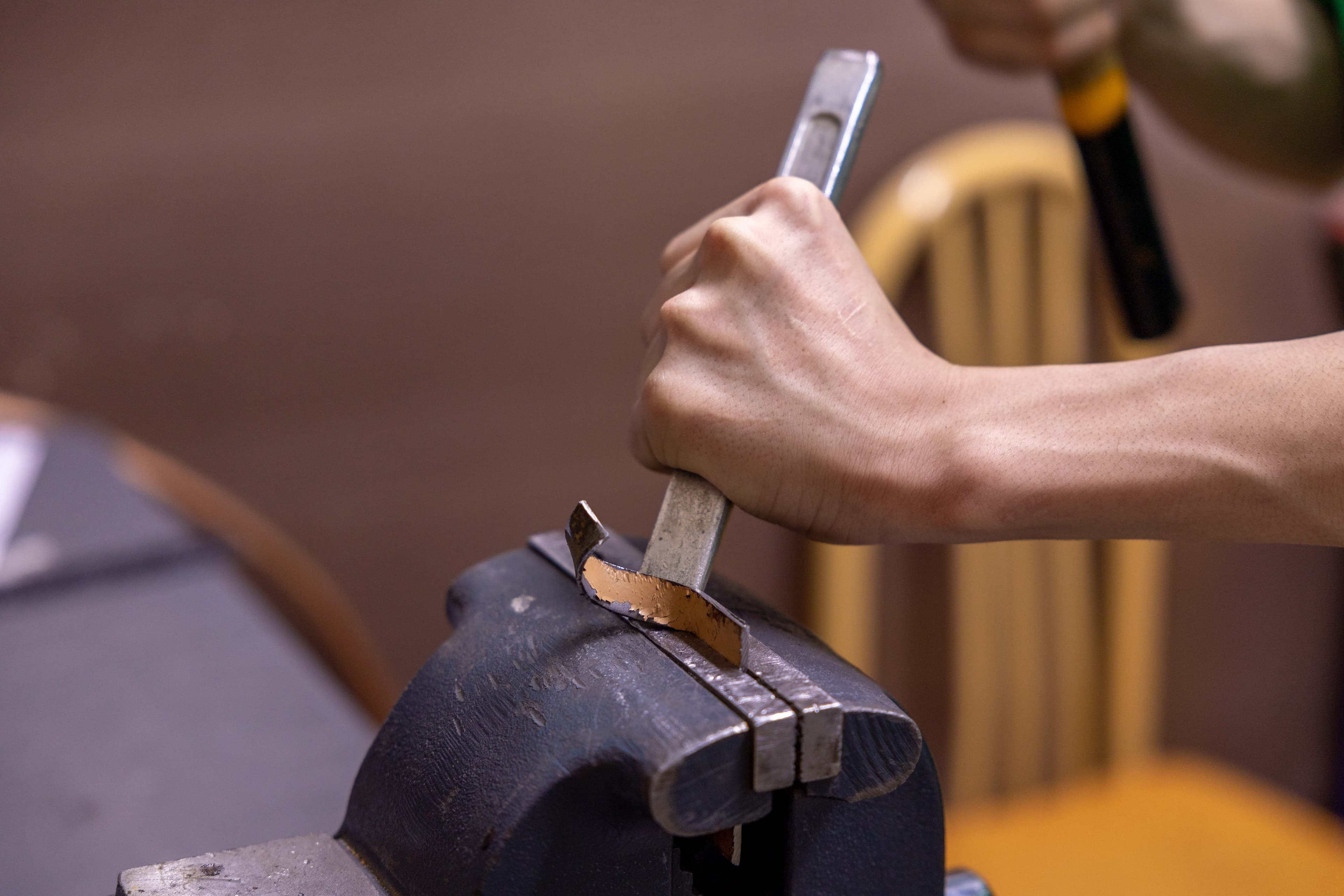
A simple way to think about it: if something is broken and needs to work again, that is repair. If you want something adjusted, improved, fitted, or customized beyond its original factory state, that falls under gunsmithing. If you have an older or inherited firearm you want brought back to its original look and condition, that is restoration.
In practice, these categories overlap more than the definitions suggest. A restoration project often involves repair work along the way, and gunsmithing work sometimes uncovers a repair issue that needs to be addressed first. That is normal, and part of why an initial conversation and inspection matters so much. We will always tell you honestly which category your project falls into and why, rather than applying a label just to fit a pricing structure.
Why This Matters for Your Budget and Timeline
Repair work is generally the fastest and most predictable in cost because the scope is narrow. Gunsmithing work varies more depending on the complexity of what you are asking for. Restoration is typically the most involved, both in time and cost, because of the level of craftsmanship and sourcing required to do it properly. Knowing which category your project falls into before you call around helps you set realistic expectations from the start.
Frequently Asked Questions
Is gunsmithing more expensive than repair?
+
Not necessarily, but gunsmithing covers a wider range of work, so cost varies more depending on the scope of what you are asking for.
Can a repair turn into a restoration project once work begins?
+
Sometimes, especially on older firearms. If we find something during a repair that suggests a fuller restoration would serve you better, we will explain the option before doing any additional work.
Do you need to send restoration work out, or is it done in house?
+
It depends on the specific project and the level of specialty work required. We will always be upfront with you about where and how your firearm is being worked on.
How long does a typical restoration take compared to a repair?
+
Repairs are often completed much faster. Restoration projects, especially those involving wood and metal refinishing, typically take considerably longer due to the craftsmanship involved.
What if I am not sure which category my project falls into?
+
That is completely normal and exactly what an initial consultation is for. Bring the firearm in and we will help you figure out the right approach.
Does restoration affect a firearm's value?
+
It can, in both directions depending on the firearm and how the work is done. We are happy to discuss what makes sense for your specific piece before any work begins.