May 15, 2026 · Restoration
Every restoration or repair project starts the same way, with a careful evaluation before a single tool touches the firearm. Whether a rifle has been sitting in a closet for thirty years or a shotgun has just come off years of hard field use, understanding exactly what is worn, what still fits properly, and what functions correctly is the foundation for any work that follows.
This evaluation process is part inspection, part diagnosis, and part conversation with the owner about the firearm's history and how it will be used going forward. Here is how we approach it.
Starting With the Firearm's History
Before we even pick up a tool, we want to know the story behind the firearm. Has it been stored properly or exposed to humidity and temperature swings? Has it seen regular use or sat unused for years? Was it inherited, purchased used, or a longtime family piece? This context shapes what we look for and helps set realistic expectations for what restoration or repair can achieve.
Assessing Wear
Wear tells a story, and reading it correctly is part of the craft. We look closely at high-contact surfaces, bearing points, and areas where metal meets metal or metal meets wood, since these are the places that show the clearest signs of age and use.
Metal Surfaces
We check for pitting, corrosion, holster or sling wear, and any signs of previous repair work. Bore condition gets particular attention, since rifling wear and corrosion inside the barrel affect both accuracy and long-term reliability in ways that are not visible from the outside.
Wood and Furniture
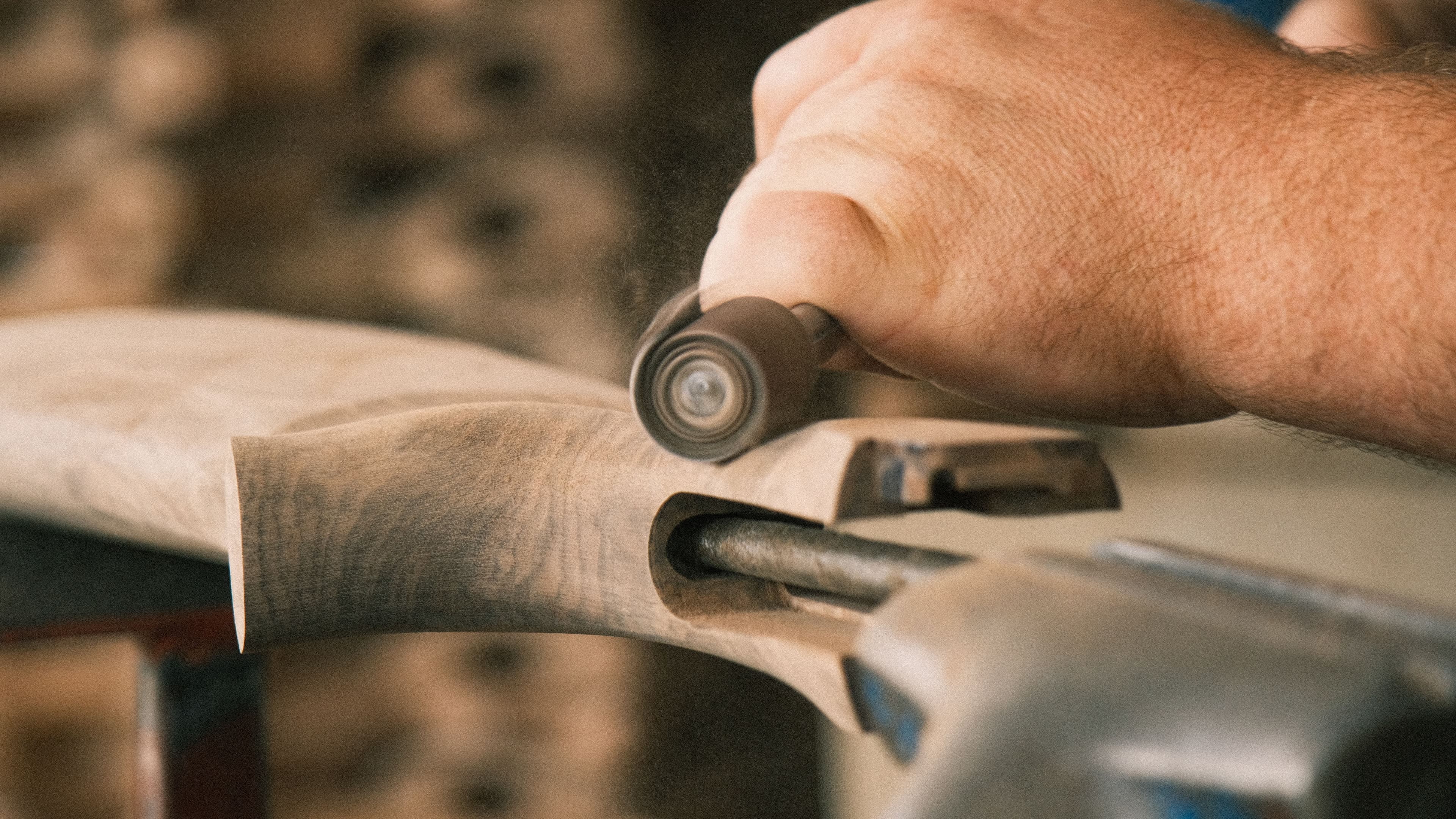
On stocked firearms, we examine the wood for cracks, especially at the wrist and around the tang, along with checking, shrinkage, and old finish that has worn thin or discolored. We also look at how the wood meets the metal, since gaps or movement at these junctions are common on older guns and can affect both fit and function.
Checking Fit
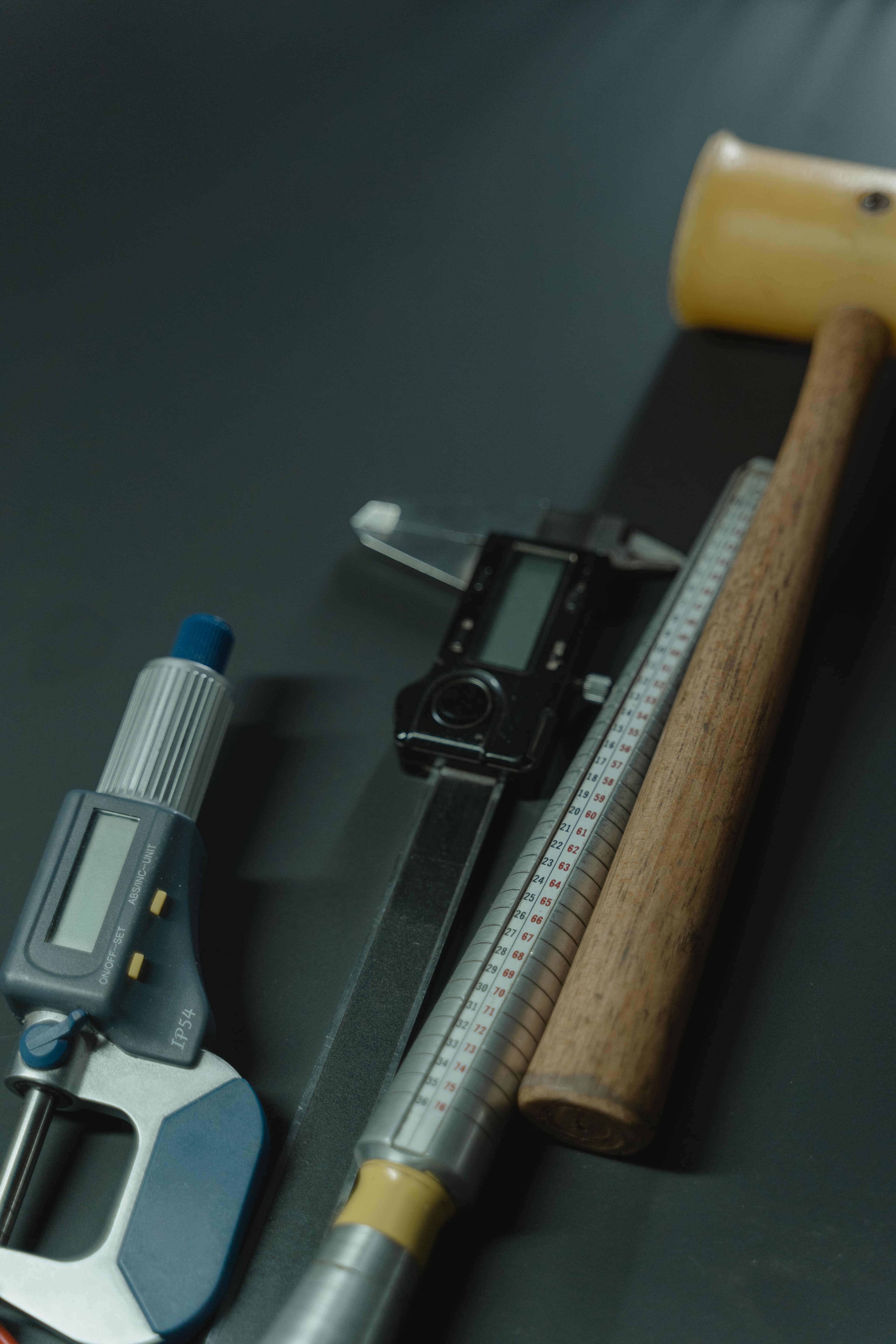
Fit refers to how well the individual components of a firearm come together, and it has a direct impact on both safety and performance. We check headspace, action lockup, barrel to receiver fit, and stock to metal fit, depending on the type of firearm and what its history suggests we should look for.
- ◆Action lockup and any play between major components
- ◆Headspace and chamber condition
- ◆Barrel to receiver fit and alignment
- ◆Stock to metal fit, including any gaps or looseness
- ◆Sight and optic mount alignment
Testing Function
Once wear and fit have been assessed, we move on to function. This includes cycling the action, checking trigger and safety operation, and on repeating firearms, verifying feeding and extraction where it can be safely evaluated without live fire. Every finding gets documented so we can build an accurate picture of what the firearm needs.
From Evaluation to Recommendation
The goal of a thorough evaluation is not just to find problems, it is to give an owner a clear, honest picture of what their firearm needs, whether that is a simple cleaning and function check, a specific repair, or a more involved restoration. We walk owners through our findings and explain the reasoning behind any recommendations, so they can make an informed decision about how to move forward.
If you have an older or worn firearm you are unsure about, whether it is one you inherited, found in storage, or are considering buying used, a professional evaluation is the clearest way to understand exactly what you are working with before any decisions are made.
Frequently Asked Questions
How long does a full evaluation take?
+
It depends on the firearm's condition and history, but most evaluations can be completed within a routine shop visit. More complex restoration candidates may take longer to fully assess.
Will an evaluation tell me if my firearm is safe to shoot?
+
A thorough evaluation is designed to identify wear, fit, and function issues that could affect safe operation, and we will always flag any concerns before recommending use.
Do I need an evaluation if the firearm looks fine on the outside?
+
Yes, many issues such as bore wear, headspace concerns, or internal fit problems are not visible from the outside and require a hands-on inspection to identify.
Is an evaluation useful before buying a used firearm?
+
Absolutely. A pre-purchase evaluation can reveal wear or issues that are not obvious at a glance and help you make a more informed decision.
What happens after the evaluation is complete?
+
We walk you through our findings and discuss any recommended repair or restoration options, along with realistic expectations for cost and outcome.
Does evaluating a firearm require disassembly?
+
Some level of disassembly is often needed for a thorough evaluation, particularly to check bore condition, internal wear, and fit between components.