February 18, 2026 · Safety and Compliance
Buying a used rifle, shotgun, or handgun can be a smart way to get a quality firearm without paying full retail price. Estate sales, private sellers, pawn shops, and gun shows all move plenty of good used firearms every year. The catch is that a used firearm comes with an unknown history. You do not always know how it was stored, how often it was cleaned, whether it was dropped, or whether a previous owner attempted a repair on their own. A firearm that looks clean on the outside can still have problems that only show up under a trained eye and a proper function check.
At Custom Gunworks we regularly inspect used firearms for customers who are about to buy, whether the purchase is happening between private parties or through a licensed dealer. It is a small step that can save you from a costly mistake, and it gives you real information to negotiate with or to simply confirm you are making a good decision.
What a Pre-Purchase Inspection Actually Covers
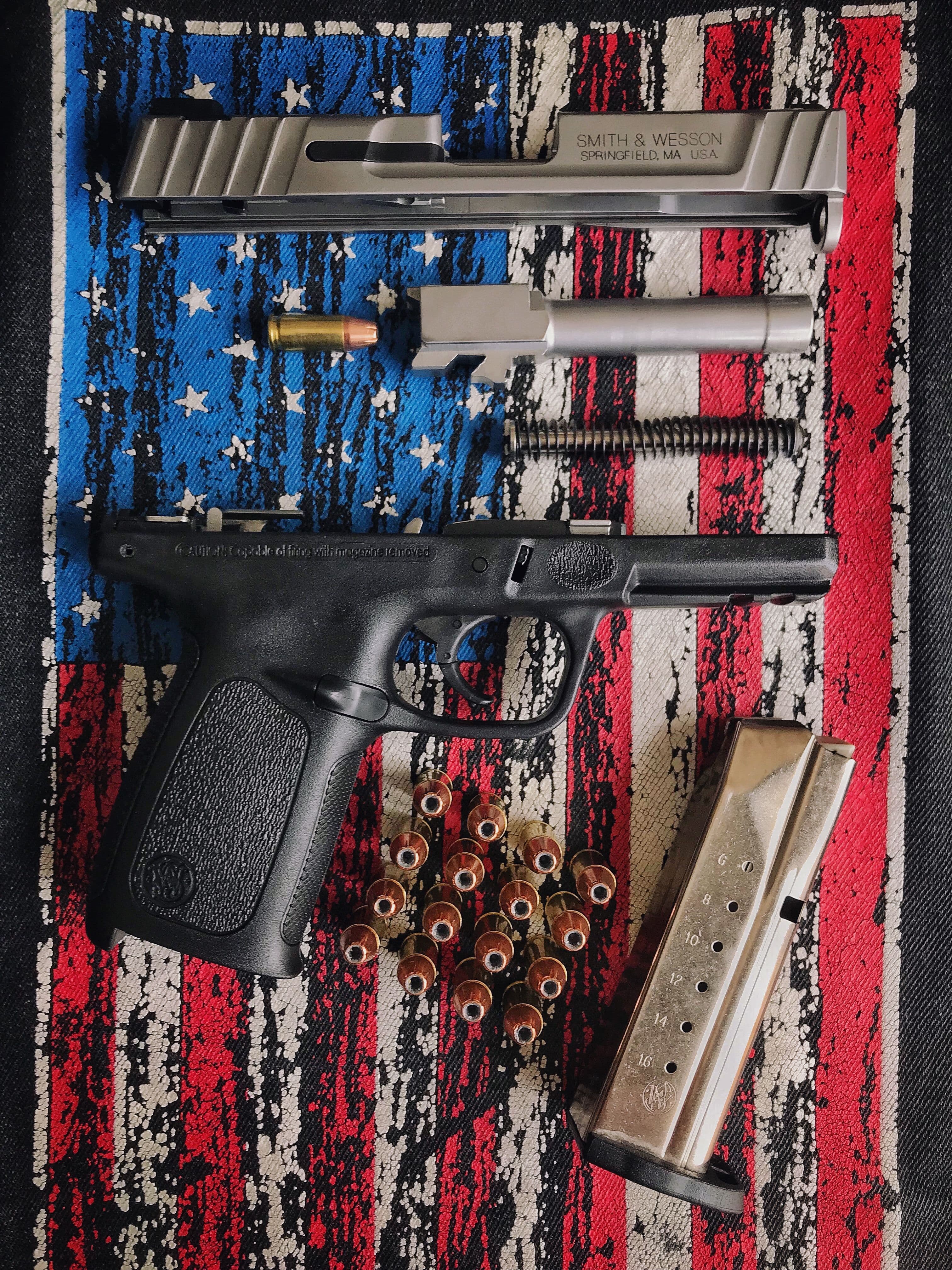
A proper inspection is more than a quick visual glance. Our gunsmiths break the firearm down to its component parts, check headspace and fit where applicable, and run through the manual of arms to confirm everything operates the way it is supposed to. We are looking at the whole firearm, not just the parts that are easy to see.
Mechanical Function and Safety
This is the heart of the inspection. We check trigger function, safety engagement, extraction and ejection on semi-automatics, cylinder timing on revolvers, and lockup on rifles and shotguns. A firearm can look pristine and still have a mechanical issue that affects reliability or, more importantly, safety. Catching that before you buy is far better than discovering it the first time you take the firearm to the range.
Wear, Corrosion, and Hidden Damage
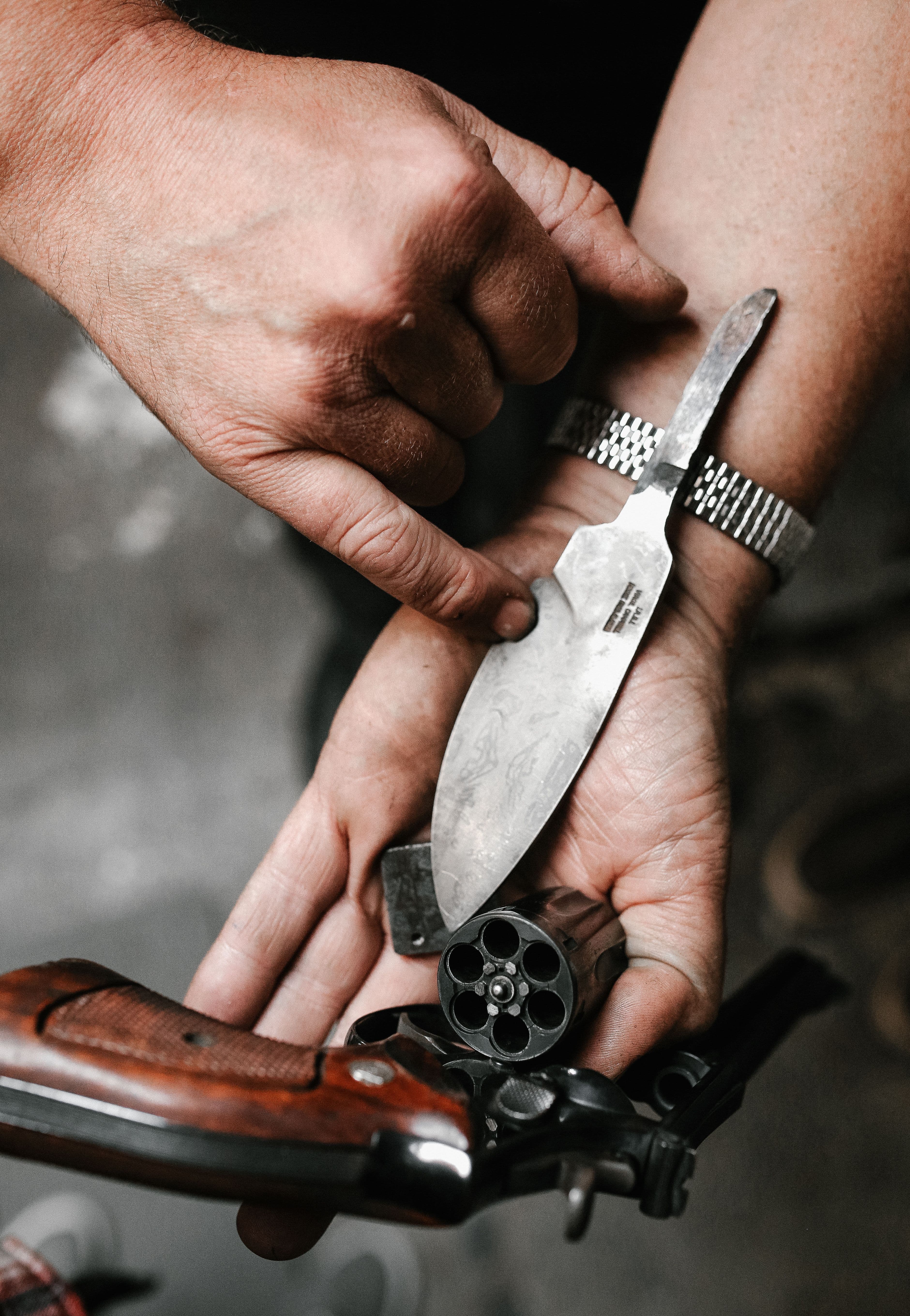
Once the firearm is disassembled we can see things a casual buyer never would, including internal rust, worn or cracked parts, previous amateur repairs, and stress marks that suggest the firearm has taken more use or abuse than the seller may realize.
- ◆Pitting or rust inside the bore or under the finish
- ◆Peened or worn locking surfaces
- ◆Cracked stocks, grips, or forends hidden under wood finish
- ◆Mismatched or incorrect replacement parts
- ◆Signs of a prior unqualified repair attempt
Why This Matters More With Older or Used Firearms
Older firearms and firearms with an unclear ownership history carry more risk simply because you cannot verify how they were maintained. A firearm that sat in a damp closet for a decade can look fine externally while hiding corrosion in the bore or under the barrel channel. A firearm that changed hands several times may have parts swapped in from a different model or a different generation, which can affect both function and value.
- ◆Unknown storage conditions before the sale
- ◆Prior owners who may have attempted their own repairs
- ◆Discontinued models where replacement parts are harder to source
- ◆Collectible or vintage pieces where originality affects value
What Happens If Problems Are Found
If our inspection turns up an issue, you get a clear, honest explanation of what we found and what it would take to correct it. Sometimes it is a minor fix that is not a big deal. Sometimes it changes the whole picture of whether the asking price makes sense. Either way, you walk away with real information instead of a guess. That puts you in a much stronger position, whether you use it to negotiate the price, ask the seller to make a repair first, or decide the firearm is not the right fit for you after all.
How to Bring a Firearm In for Inspection
If you are considering a used firearm, contact our shop before the sale is final and we can walk you through scheduling an inspection. If the sale involves a transfer between parties who are not both licensed, remember that a completed transfer through a licensed dealer, including a background check on ATF Form 4473, is generally required. Requirements vary by state, so it is worth confirming the process with our shop ahead of time. We are happy to answer questions about availability and how our inspection service fits into your purchase timeline.
Frequently Asked Questions
How long does a pre-purchase inspection take?
+
It depends on the firearm and our current shop schedule. Contact us directly and we can give you a realistic estimate based on the type of firearm and the current workload.
Can you inspect a firearm before I agree to buy it from a private seller?
+
Yes, many customers bring in a firearm they are considering before finalizing a private sale. Just keep in mind that any transfer between unlicensed private parties may still need to go through a licensed dealer, and requirements vary by state.
What if the inspection finds a problem?
+
We will explain exactly what we found and what repair options exist, along with a rough sense of cost. You decide how to proceed, whether that means negotiating, asking the seller to fix it, or passing on the firearm.
Do you inspect rifles, shotguns, and handguns?
+
Yes, we inspect all three, along with less common configurations. Contact us with details about the specific firearm and we can confirm we are equipped to look it over.
Is a pre-purchase inspection worth it for an inexpensive firearm?
+
Often yes. A lower price does not mean lower risk, and a firearm with hidden mechanical issues can end up costing more in repairs than it would have to simply buy a sound one at a fair price.
Can you tell me what a firearm is worth?
+
We focus on mechanical condition and safety rather than formal appraisal, but our findings on wear and originality can still help inform your sense of fair value.