March 10, 2026 · Restoration
Every old firearm has a story, whether it was passed down from a grandfather, picked up at an estate sale, or has simply been in the family closet for decades. When that firearm shows its age through worn wood, faded bluing, or stiff action, owners often ask the same question: is this worth restoring, or should I just have it repaired and move on?
The answer depends on the firearm, its condition, and what you actually want from it going forward. Restoration and repair are related but different services, and understanding that difference helps you make a decision you will be happy with.
What Restoration Actually Means
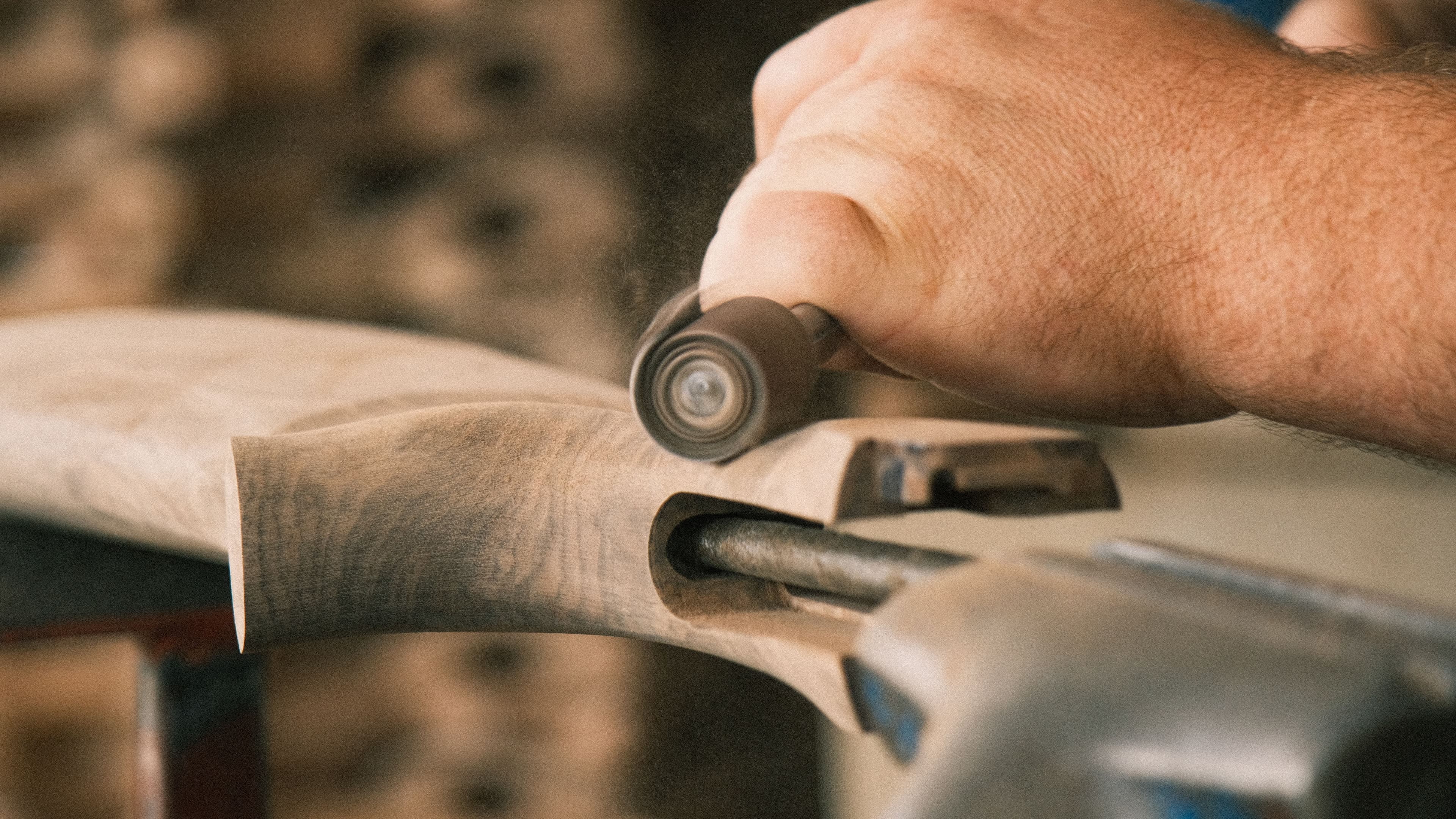
Restoration is the process of returning a firearm as closely as possible to its original condition and function, rather than simply fixing whatever is currently broken. That can involve refinishing wood, addressing corrosion or pitting on metal surfaces, replacing missing or damaged parts with correct period appropriate components where possible, and making sure the mechanical action works safely and reliably again.
This is different from a general repair, which typically targets a specific problem, like a broken spring or a sticky action, without necessarily addressing the firearm's overall condition or appearance. A repair gets a gun working. A restoration gets it working and looking the way it was meant to.
Restoration Considerations by Firearm Type
- ◆Rifles: often center on wood stock restoration, bore condition, and action function, especially on older bolt actions and lever guns.
- ◆Shotguns: frequently involve checkering and stock work, along with attention to barrel condition and the fit between wood and metal.
- ◆Handguns: restoration tends to focus on finish work, grip material, and making sure the mechanical action is safe and reliable, particularly on older revolvers and pistols.
Respecting Collector Value
One of the most important parts of restoration work on older or collectible firearms is knowing when to hold back. Not every firearm benefits from a full refinish. On some pieces, particularly those with historical or collector significance, an aggressive restoration can actually reduce value by removing original finish, markings, or patina that collectors specifically look for.
Before starting any restoration work on a firearm you believe may have collector or historical value, it is worth having an honest conversation about what the work will and will not do to that value. In some cases, the right recommendation is a conservative approach that stabilizes and protects the firearm without erasing its history. In others, particularly with well loved working guns that were never meant to be collector pieces, a fuller restoration is exactly the right call.
Questions Worth Asking Before You Start
- ◆Is this firearm rare, or a common production model?
- ◆Do I want this gun to look new, or to look cared for while keeping its history visible?
- ◆Am I restoring this to shoot it regularly, or to display and preserve it?
- ◆Are there existing markings, engravings, or finish details worth protecting?
Restoration Versus Repair: Making the Call
If a firearm is mechanically sound and simply needs one issue addressed, like a worn spring or a loose sight, a standard repair is usually the more practical and affordable route. Restoration makes more sense when a firearm has multiple areas of wear, cosmetic damage, or when you want to bring an heirloom or long neglected piece back to a condition you would be proud to use or display.
We generally recommend starting with an inspection. Bringing the firearm in and letting us look it over lets us give you a realistic picture of what is actually needed, what it would involve, and roughly what to expect, rather than guessing based on appearance alone.
What to Expect From the Process
Restoration work is rarely a quick turnaround, especially on wood refinishing or metal work that requires care and multiple steps. We will walk you through a realistic timeline before starting, and keep you updated if the scope changes once we get into the project, which does happen on older firearms once wood is stripped down or metal is cleaned up and the true condition becomes visible.
Any firearm coming in or leaving the shop for service is handled in accordance with applicable transfer and recordkeeping requirements, and we are always happy to explain how that process works if you have questions.
Frequently Asked Questions
How do I know if my old rifle or shotgun is worth restoring?
+
Bring it in for an inspection. We will look at the mechanical condition, wood and metal condition, and talk through whether restoration, a simple repair, or a conservative approach makes the most sense for your goals.
Will restoring my firearm hurt its collector value?
+
It can, depending on the firearm and how aggressive the work is. We will discuss this with you honestly before starting anything on a piece we believe may have meaningful collector or historical value.
Can you match the original finish on an older firearm?
+
In many cases we can get very close using period appropriate techniques and materials, though an exact match is not always possible depending on the original finish process and the firearm's age.
How long does a full restoration usually take?
+
It varies widely depending on the scope of work and what we find once we get into the project. We will give you a realistic estimate upfront and keep you informed if anything changes.
Do you restore handguns as well as long guns?
+
Yes, we work on rifles, shotguns, and handguns, including finish work, grip replacement, and mechanical restoration on revolvers and pistols.
What paperwork do I need to bring a firearm in for restoration?
+
Standard identification is required, and any transfer into or out of the shop follows applicable federal and state requirements, including an ATF Form 4473 and background check where a transfer is involved. We can walk you through specifics when you bring the firearm in.