
January 22, 2026 · Firearm Maintenance
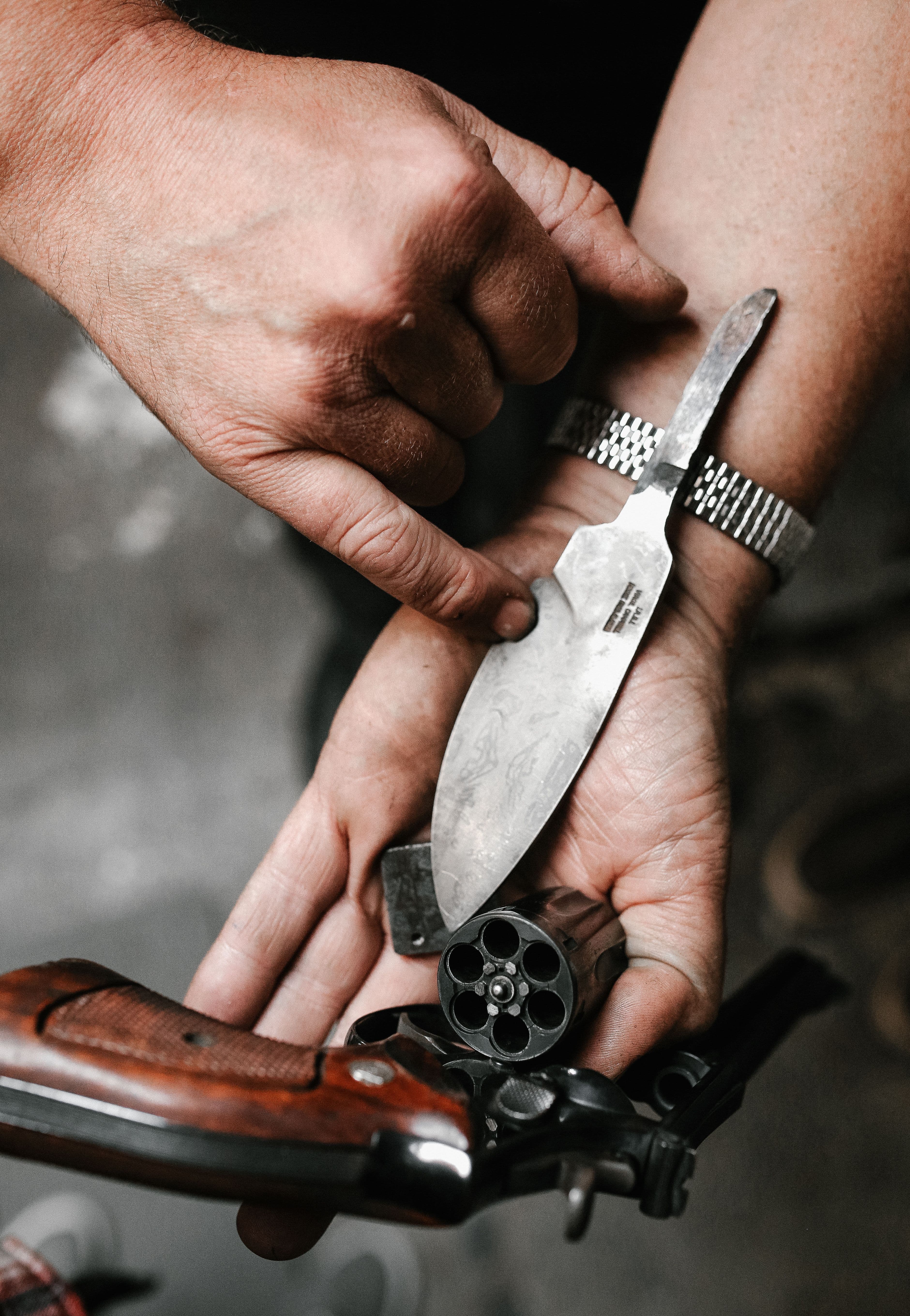
Every gun owner reaches a point where they have to decide whether an issue is something they can handle at home or something that needs a trained set of hands. Most of the time, a little cleaning, a fresh coat of oil, and some careful inspection is all a firearm needs to keep running well. But there is a meaningful difference between routine upkeep and a mechanical or safety issue that calls for professional attention.
At Custom Gunworks, we see firearms every week that were pushed past the point where a home fix was still reasonable. Knowing where that line sits can save you money, protect your firearm's value, and most importantly, keep you and everyone around you safe on the range or in the field.
Normal Wear You Can Usually Manage Yourself
Firearms are mechanical tools, and like any tool that sees regular use, they develop wear. Some of this is completely expected and does not signal a problem.
- ◆Light surface fouling in the bore or action after a range session
- ◆Minor discoloration on blued steel from handling oils
- ◆Stiffness in a new action that loosens up after a proper break-in period
- ◆Dust or debris buildup after storage that clears with a standard cleaning
- ◆Cosmetic scuffs on a stock or grip from normal carry and use
These issues respond well to a standard cleaning routine, which is why we always recommend gun owners learn the basics of field stripping and maintaining their own firearms between visits to the shop.
Signs That Point to a Professional Gunsmith
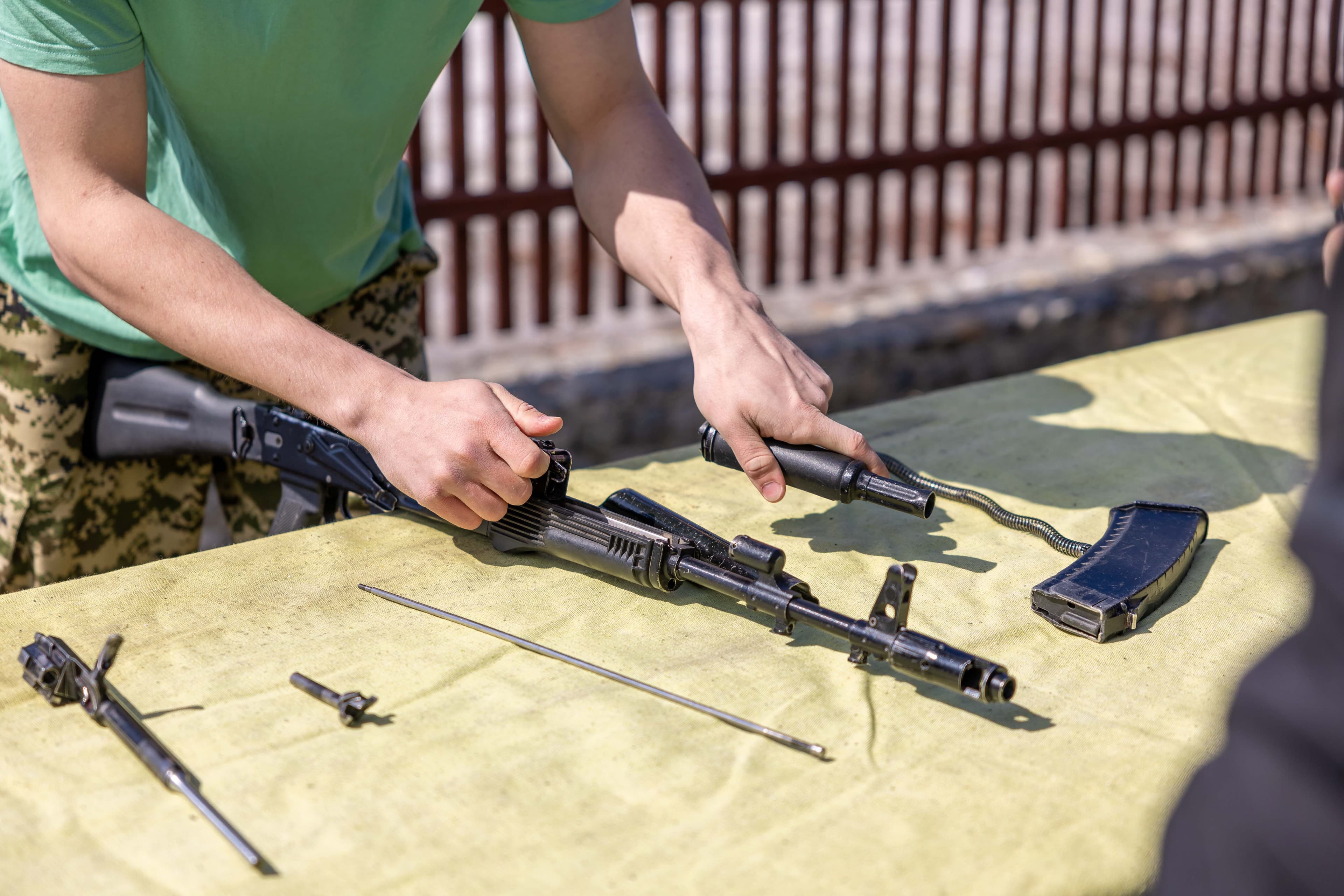
Some symptoms are not cosmetic and are not something you should try to work through on your own. These point to mechanical, structural, or safety concerns that need a trained eye and the right tools.
Function and Feed Problems
- ◆Failure to feed, extract, or eject that persists after cleaning
- ◆An action that binds, sticks, or requires excessive force to cycle
- ◆A trigger that feels gritty, inconsistent, or has noticeably changed weight
- ◆A safety that does not engage positively or feels loose
- ◆A revolver cylinder that does not lock up tight or times poorly
Accuracy and Point of Impact Issues
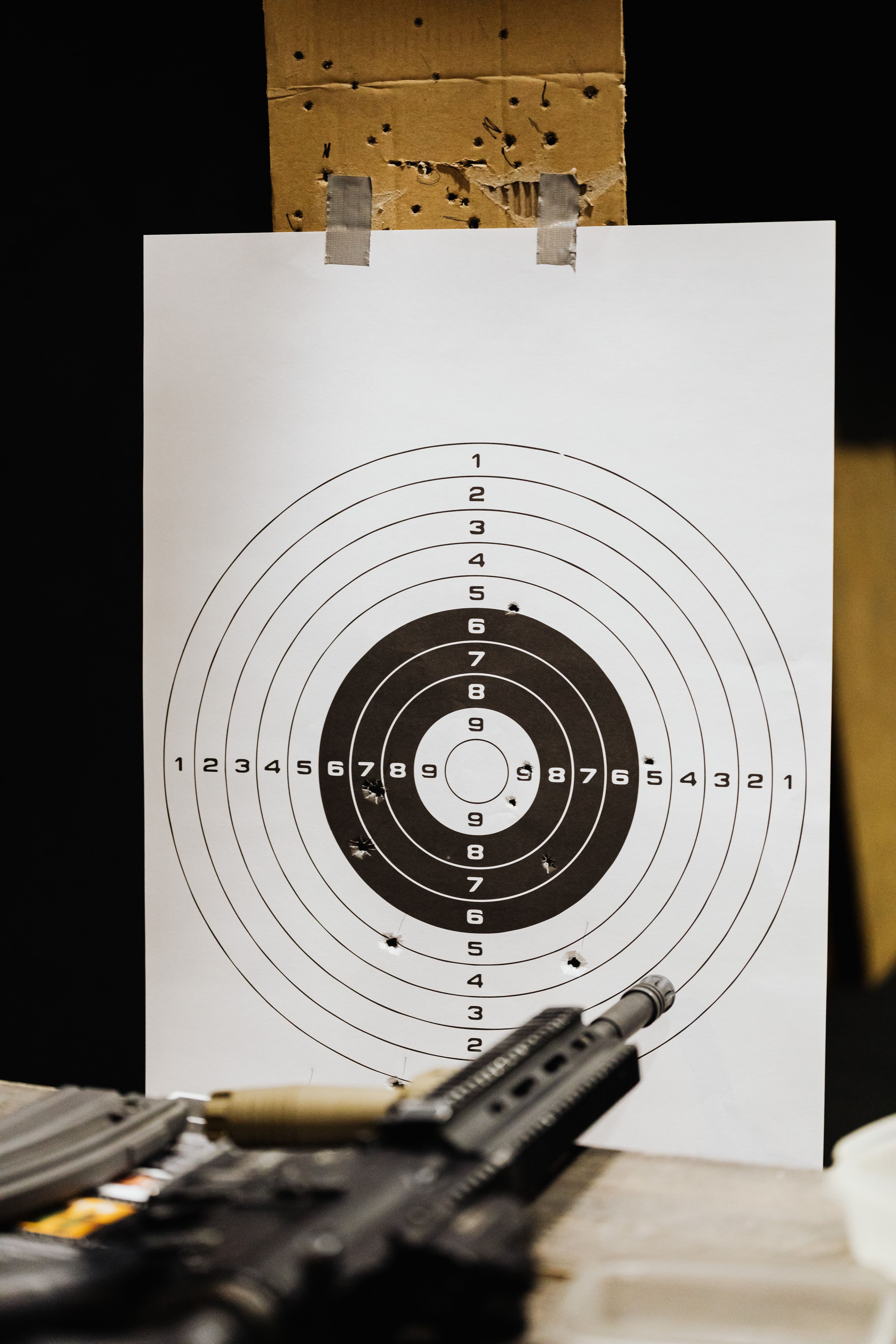
If a firearm that used to group well is suddenly stringing shots, walking impact, or shooting noticeably off from where it used to, something has changed. That could be a loose scope base, a bedding issue in the stock, a worn crown at the muzzle, or looseness somewhere in the action. Chasing this kind of issue with more ammunition rarely fixes it, and a proper diagnostic saves you time and frustration.
Anything That Feels Unsafe
This is the one category where we tell every customer the same thing: do not guess. If a firearm has ever fired when you did not intend it to, if you hear or feel something unusual when it cycles, if there is visible cracking or pitting near the chamber or receiver, or if you are simply unsure whether it is safe to fire, stop using it and bring it in. A professional inspection is inexpensive compared to the alternative.
Older, Inherited, and Secondhand Firearms
Firearms that have been sitting in a closet for a decade, passed down from a relative, or picked up secondhand deserve a professional once-over before they go back into regular use. Time is not always kind to springs, wood, and finishes, and a firearm that looks fine on the outside can have issues that are not obvious until you are already at the range.
Why This Matters More Than People Think
A firearm is a precision mechanical device that is also a safety-critical tool. Continuing to use one that is exhibiting warning signs does not just risk further damage to the gun, it risks the safety of the shooter and anyone nearby. Our shop exists to catch these problems early, explain clearly what we find, and get your firearm back to reliable, safe condition.
If you are ever unsure whether what you are seeing or feeling is normal, that uncertainty itself is a good reason to bring it in. A short conversation with a gunsmith costs you almost nothing and can prevent a much bigger issue down the road.
Frequently Asked Questions
Can I keep shooting a firearm that feels slightly off?
+
We would not recommend it. Small changes in feel, feeding, or accuracy are often early warning signs of a developing issue. It is safer and usually cheaper to have it checked before the problem worsens.
How often should a firearm get a professional inspection even if nothing seems wrong?
+
For firearms in regular use, an annual professional check alongside your normal cleaning routine is a good habit. Firearms used heavily or stored long term may benefit from more frequent checks.
Is a gritty trigger always a serious problem?
+
Not always, but it is worth having looked at. It could be simple fouling or it could indicate wear on internal components. A gunsmith can tell you which one it is quickly.
What should I do if my firearm has ever fired unexpectedly?
+
Stop using it immediately and bring it to a professional for a full safety inspection before it is fired again. Do not attempt to diagnose or fix this yourself.
Do you inspect firearms I am thinking about buying secondhand?
+
Yes, we offer pre-purchase style inspections. It is a smart step before committing to a used rifle, shotgun, or handgun of unknown history.
Will a professional inspection tell me if my firearm is safe to fire?
+
That is exactly what it is for. We check function, wear, and structural condition and give you a clear, honest assessment before you head back to the range.