
January 28, 2026 · Gunsmithing Tips
A shotgun that used to run smoothly and now hesitates, double feeds, or fails to fully eject a spent shell is telling you something. So is a stock that no longer sits the way it used to, or a safety that feels looser than it did last season. Shotguns take a beating in the field and at the range, and most owners do not realize how many small issues can build up over years of use until something finally interferes with a hunt or a round of clays.
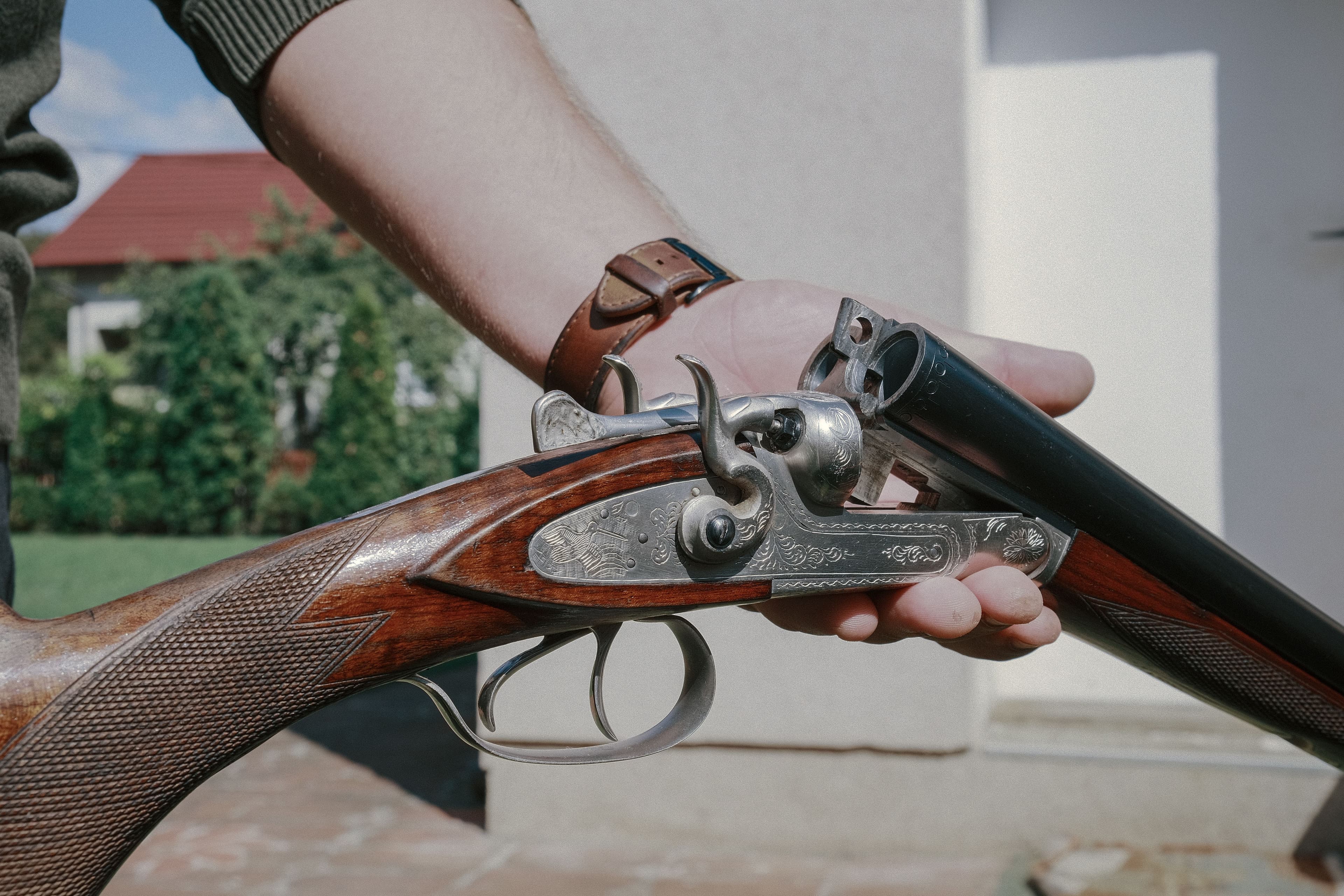
At Custom Gunworks, shotguns come across our bench for everything from a quick function check to a full teardown after decades of family use. Below are the issues we see most often, why they happen, and what a professional inspection typically involves.
Feeding and Ejection Problems
Whether it is a pump, semi-automatic, or break action, reliable cycling depends on a handful of parts working together correctly. When one of them wears or shifts out of spec, the whole system can become unpredictable.
Failure to Feed
On repeating shotguns, feeding issues usually trace back to a worn or fouled shell carrier, a weakened magazine spring, or buildup of grime in the action that slows everything down just enough to cause a hangup. Owners often describe it as the gun feeling sluggish before it fails outright.
Failure to Eject
Extractor and ejector wear is common on guns that see heavy use, especially with a mix of ammunition types and lengths. A shell that sticks in the chamber or ejects weakly is worth having inspected before it turns into a jam at an inconvenient moment.
- ◆Worn or chipped extractor hooks that no longer grip the shell rim securely
- ◆Magazine spring fatigue on pump and semi-automatic models
- ◆Carbon and debris buildup restricting bolt or breech travel
- ◆Timing issues on semi-automatics caused by gas system wear
- ◆Chamber corrosion or pitting that grips fired hulls
Stock Fit and Structural Wear
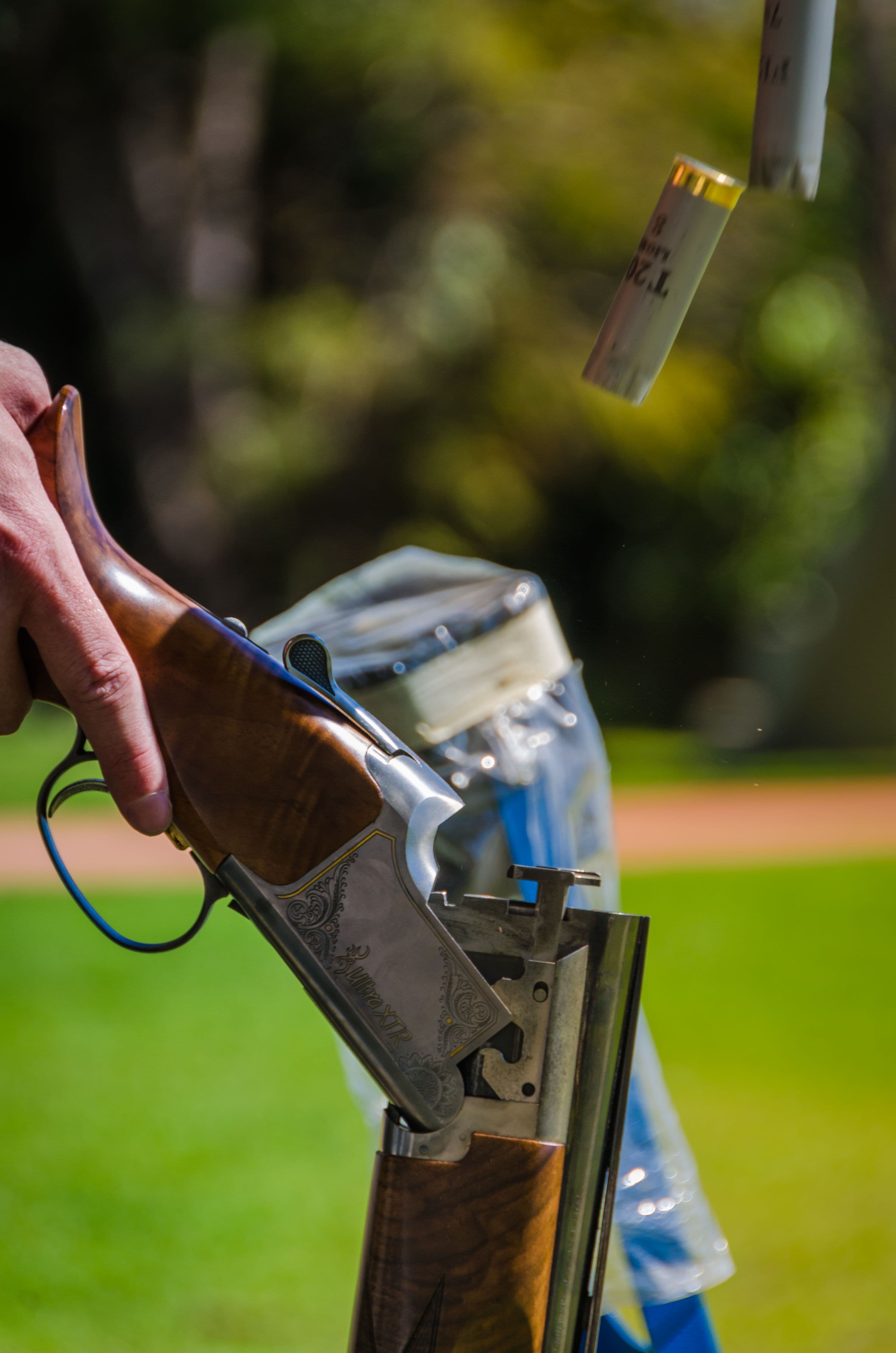
A shotgun's fit affects how it points, how it feels when it recoils, and ultimately how consistently it patterns for the person shouldering it. Stock issues develop gradually, which is why they are easy to overlook until a gunsmith points them out.
We regularly find hairline cracks in the wrist of the stock, especially on older field guns that have absorbed thousands of rounds of recoil over the years. Loose stock bolts, worn recoil pads, and stock-to-receiver gaps are also common, and all of them can affect both comfort and accuracy. On guns passed down through a family, wood shrinkage and old repairs sometimes need to be addressed before the gun is safe and comfortable to shoot regularly again.
Trigger and Safety Function
A shotgun's trigger and safety mechanism are simple compared to many other actions, but simple does not mean maintenance free. Springs weaken, sears wear, and safeties that once snapped positively into place can develop play over time.
During an inspection, we check trigger pull consistency, safety engagement, and on double guns, the function of the barrel selector if the gun has one. We are also looking for signs of a trigger that releases earlier or later than it should, which is a function and safety concern worth addressing rather than working around.
Barrel and Choke Condition
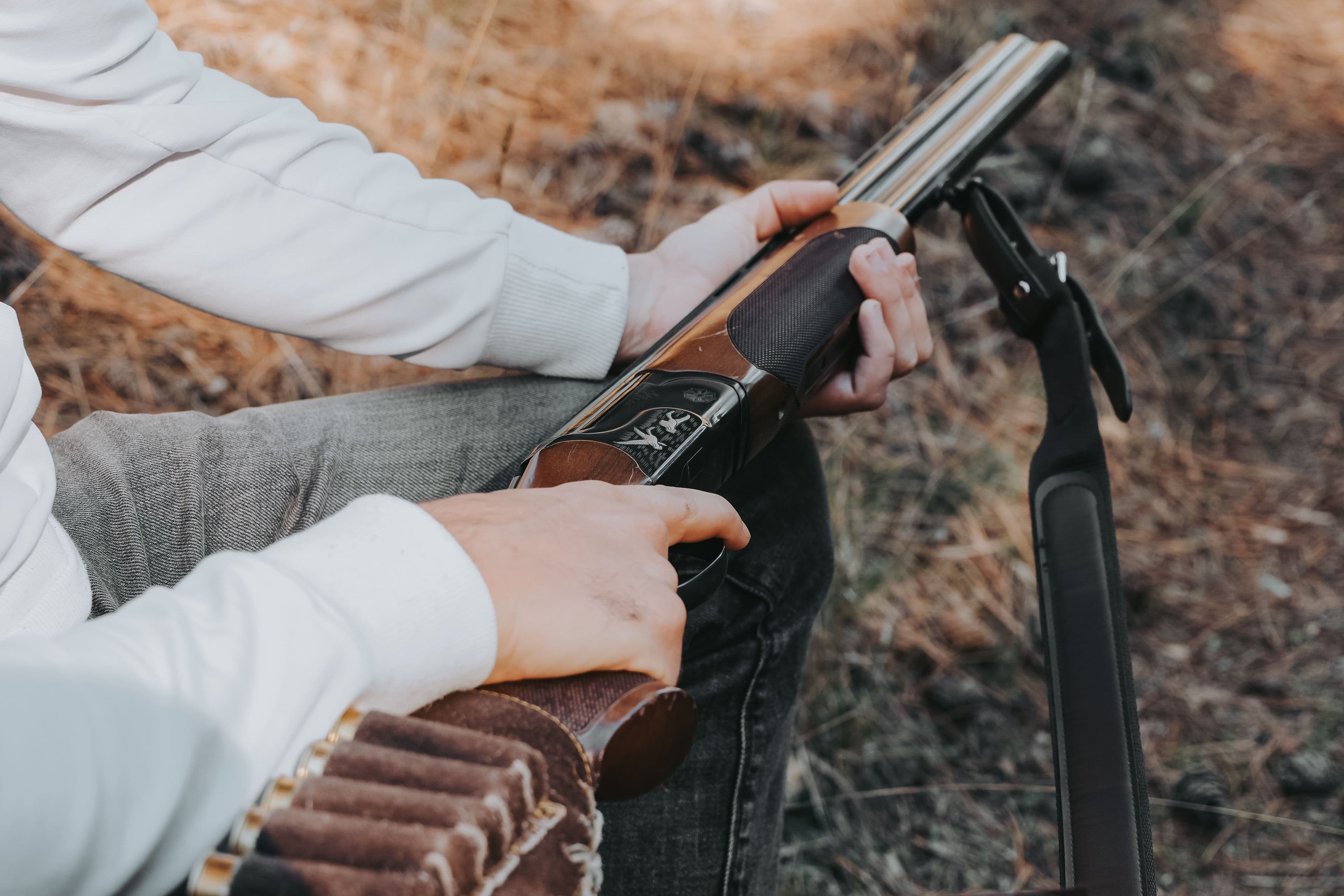
Bore condition affects pattern consistency more than most owners expect. Pitting, ring bulges from an obstructed barrel, and worn or cross-threaded choke tubes can all change how a shotgun performs, sometimes without any obvious outward sign until it is inspected closely.
- ◆Interior pitting or corrosion from moisture and inconsistent cleaning
- ◆Choke tubes that are difficult to remove or show thread wear
- ◆Ring bulges from firing with debris or snow lodged in the bore
- ◆Loose barrel-to-receiver fit on break action guns
Why Regular Inspection Matters
Most shotgun issues do not appear overnight. They build gradually through normal use, weather exposure, and the accumulated wear of thousands of cycles. A yearly inspection, or one before a hunting season or major outing, gives a gunsmith the chance to catch a small issue while it is still a simple fix rather than a bigger repair down the road.
If your shotgun has started to feel different in any way, whether that is a stiffer action, a looser stock, or a trigger that does not feel like it used to, bring it in and let us take a look. A hands-on inspection is often the fastest way to get a clear answer.
Frequently Asked Questions
How often should a shotgun be professionally inspected?
+
Most owners benefit from an annual check, ideally before hunting season or a busy period at the range. Guns used heavily or exposed to harsh weather may need more frequent attention.
Can a cracked stock be repaired instead of replaced?
+
In many cases yes. Depending on the location and severity of the crack, a professional repair can restore strength and appearance without needing a full stock replacement.
Why does my shotgun eject shells weakly?
+
Weak ejection is often caused by a worn ejector, a fouled action, or chamber corrosion gripping the hull. A gunsmith can identify the specific cause during inspection.
Is it normal for an older shotgun's trigger to feel different over time?
+
Trigger feel can change as springs and sears wear, and it is worth having checked. A trigger that releases inconsistently should be evaluated for both function and safety.
Do choke tubes need regular maintenance?
+
Yes. Choke tubes should be periodically removed, cleaned, and checked for thread wear so they do not seize in the barrel over time.
What should I bring with my shotgun for an inspection?
+
Bring the gun unloaded, along with any choke tubes, and let us know about any specific issues you have noticed so we can focus the inspection accordingly.