
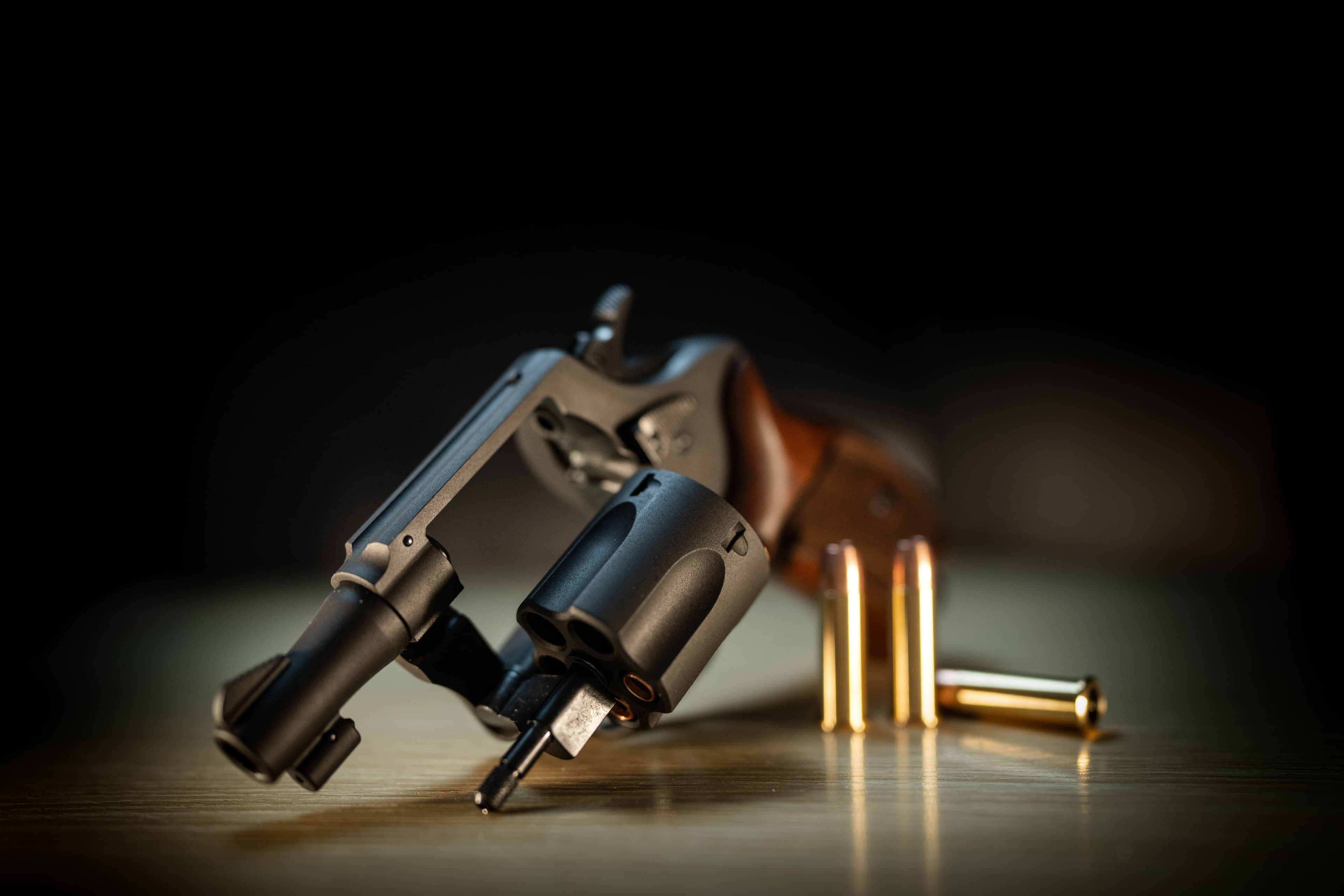
March 5, 2026 · Gunsmithing Tips
Handguns are carried, holstered, drawn, and fired far more often relative to their size than most long guns, which means their internal parts see a lot of cycles over a working life. Whether it is a semi-automatic pistol used for daily carry or a revolver that has been in the family for years, small issues tend to show up as feeding hesitations, inconsistent trigger feel, or sights that no longer line up the way they used to.
Our shop inspects pistols and revolvers of nearly every type, and while the two platforms wear differently, there is a common list of issues we check for on almost every visit.
Semi-Automatic Pistol Issues
Failure to Feed or Extract
Feeding problems on a semi-automatic pistol are usually tied to magazine condition, extractor tension, or a recoil spring that has lost some of its original strength. A pistol that ran flawlessly for years can start to stovepipe or short cycle once a spring reaches the end of its service life, and it is one of the most common reasons a pistol comes across our bench.
Trigger Inconsistency
A trigger pull that feels gritty, spongy, or inconsistent from shot to shot is often a sign of wear in the sear or trigger bar, or simply an accumulation of old lubricant and debris in the fire control group. We check trigger travel, reset, and pull weight as part of a standard inspection.
- ◆Worn or weak magazine springs and feed lips
- ◆Recoil spring fatigue affecting slide cycling
- ◆Extractor tension issues causing failures to eject
- ◆Gritty or inconsistent trigger pull from a dirty fire control group
- ◆Loose or worn sights affecting point of aim
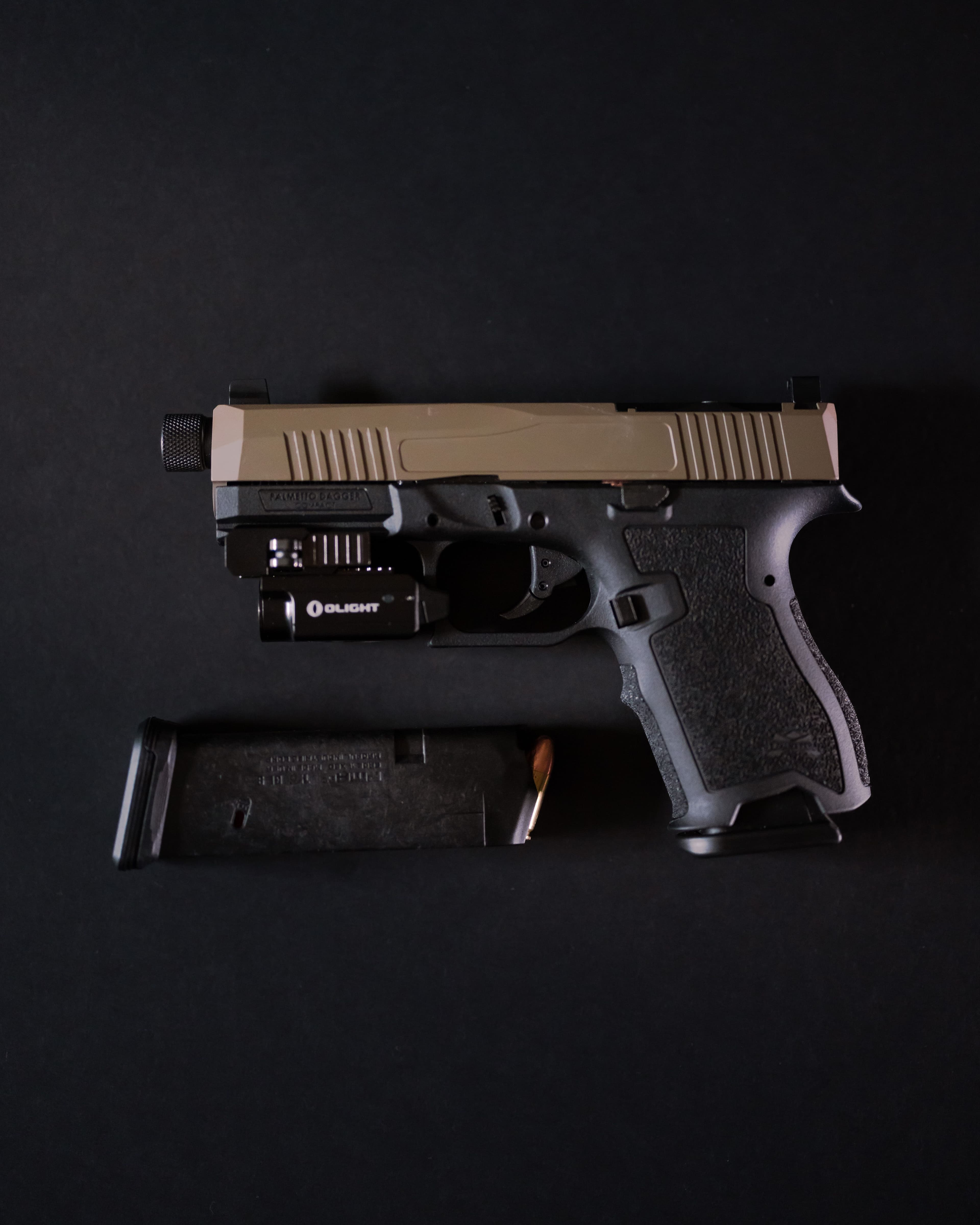
Revolver-Specific Issues
Cylinder Timing
Timing is one of the most important things we check on any revolver that comes in for inspection. Proper timing means the cylinder locks precisely into place with each trigger pull, aligning the chamber with the barrel. Over time and with heavy use, timing can drift, which can affect accuracy and, in more advanced cases, cause bullet shaving or increased wear at the forcing cone.
Cylinder Lockup and End Shake
We also check for excessive end shake, which is play in the cylinder's front to back movement, and overall lockup tightness. A revolver with a loose or wandering cylinder is a common candidate for a full function inspection before it sees regular use again.
- ◆Cylinder timing drift affecting chamber to barrel alignment
- ◆Excessive end shake or cylinder play
- ◆Worn hand or ratchet components affecting rotation
- ◆Forcing cone wear from prolonged use
- ◆Loose or inconsistent trigger return
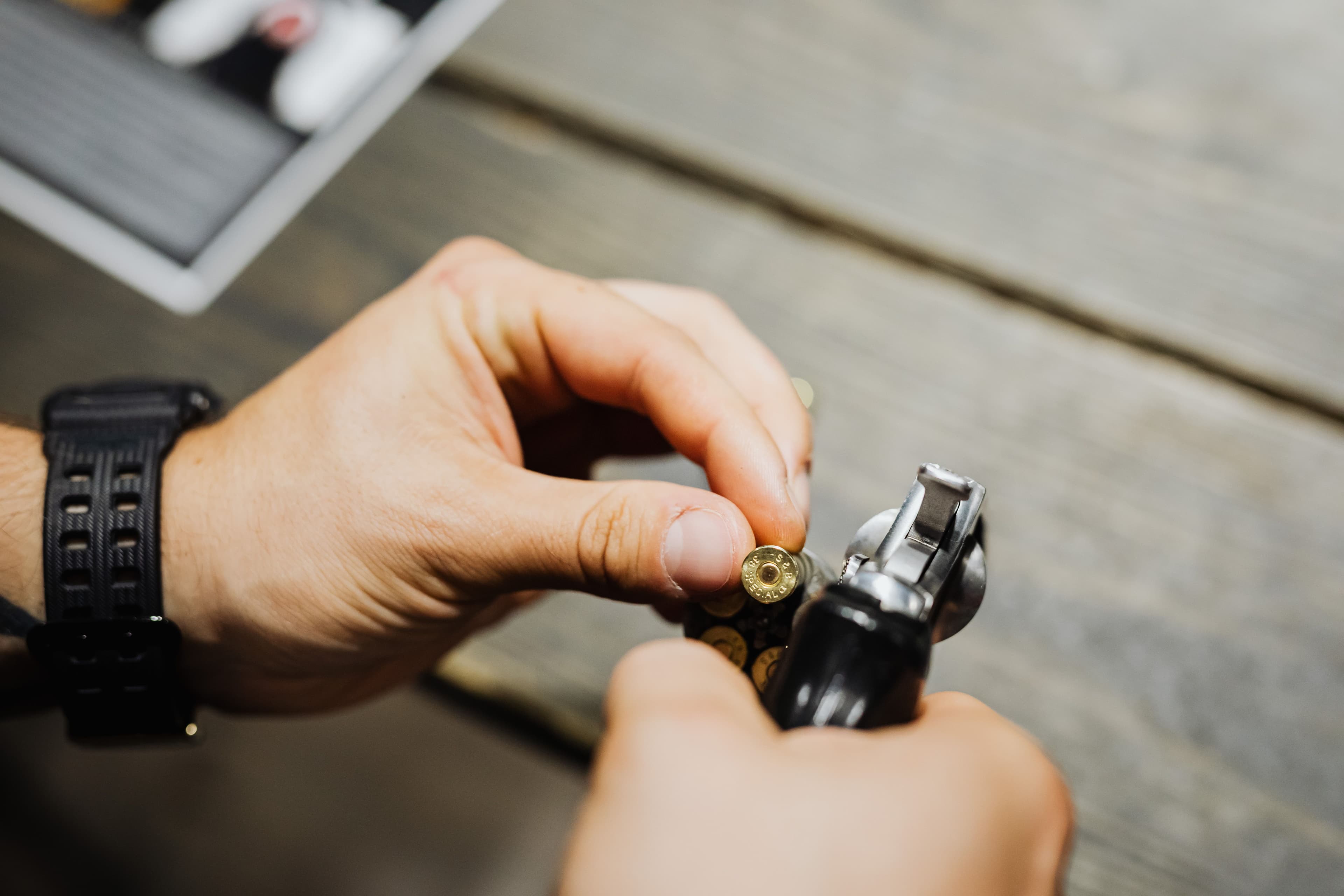
Sights, Grips, and General Wear
Beyond the internal mechanics, we also inspect sights for looseness or drift, grips for cracking or looseness at the frame, and the overall finish for corrosion, especially on carry guns exposed to sweat, humidity, or holster friction over time. Sight issues in particular are easy to overlook since a shooter can unconsciously compensate for a slightly off point of aim, until it becomes a real accuracy problem.
What a Professional Inspection Involves
A thorough handgun inspection typically includes a full function check, a close look at the fire control group, verification of timing on revolvers, and an evaluation of the bore and overall finish. We also ask about the gun's history and how it is used, since a carry gun, a range gun, and a safe queen each tend to develop different wear patterns.
If your pistol or revolver has started to feel less reliable than it used to, or if you simply want peace of mind before relying on it for daily carry or hunting, an inspection is a straightforward way to know exactly where it stands.
Frequently Asked Questions
How do I know if my pistol's recoil spring needs replacing?
+
Signs include the slide not locking back reliably, sluggish cycling, or increased felt recoil. A gunsmith can measure spring tension and recommend replacement if needed.
What is revolver timing and why does it matter?
+
Timing refers to how precisely the cylinder aligns with the barrel as the trigger is pulled. Poor timing can affect accuracy and cause premature wear, so it is worth having checked periodically.
Can worn sights be repaired or only replaced?
+
It depends on the type and extent of wear. Loose sights can often be tightened or re-staked, while significantly worn or damaged sights are usually replaced.
Should I have a used handgun inspected before regular use?
+
Yes, especially if you do not know its full history. An inspection can confirm safe function and catch any issues before you rely on the gun for carry or range use.
How often should a carry pistol be inspected?
+
An annual inspection is a reasonable baseline for a pistol carried regularly, given the exposure to moisture, friction, and daily handling.
Does cylinder end shake always need repair?
+
A small amount of end shake is normal, but excessive play can affect function and accuracy over time. A gunsmith can measure it and advise whether adjustment is needed.