
February 3, 2026 · Gunsmithing Tips
A trigger job is one of the most common requests we get at the shop, and also one of the most misunderstood. Customers usually know they want a trigger that feels better, but they are not always sure what that means in practice or what a gunsmith is actually doing back on the bench.
This article walks through what a trigger job typically involves at a high level, why it matters, and why it is not something to attempt without the right training and tools.
What People Usually Mean by a Trigger Job
When someone asks for a trigger job, they are typically describing a firearm that feels heavy, gritty, inconsistent, or has excessive creep before the break. The goal of the work is a trigger pull that is smoother and more predictable within the specifications appropriate for that firearm, not simply as light as possible.
A responsible trigger job always respects the safety margins built into the design of the firearm. Our goal is a trigger that performs reliably and consistently, not one that has been pushed past what is safe for that particular action.
The Inspection Comes First
Before any work begins, we start with a full inspection of the trigger group. This means examining the sear, hammer or striker, springs, and any related pins or components for wear, damage, or manufacturing inconsistency. We also check headspace and general function, since a trigger issue is sometimes connected to something else going on inside the action.
This step matters because two firearms with the same complaint, a gritty or heavy trigger, can have completely different root causes. One might just need cleaning and proper lubrication. Another might have a worn sear engagement surface that needs to be addressed by a qualified gunsmith with the correct tools.
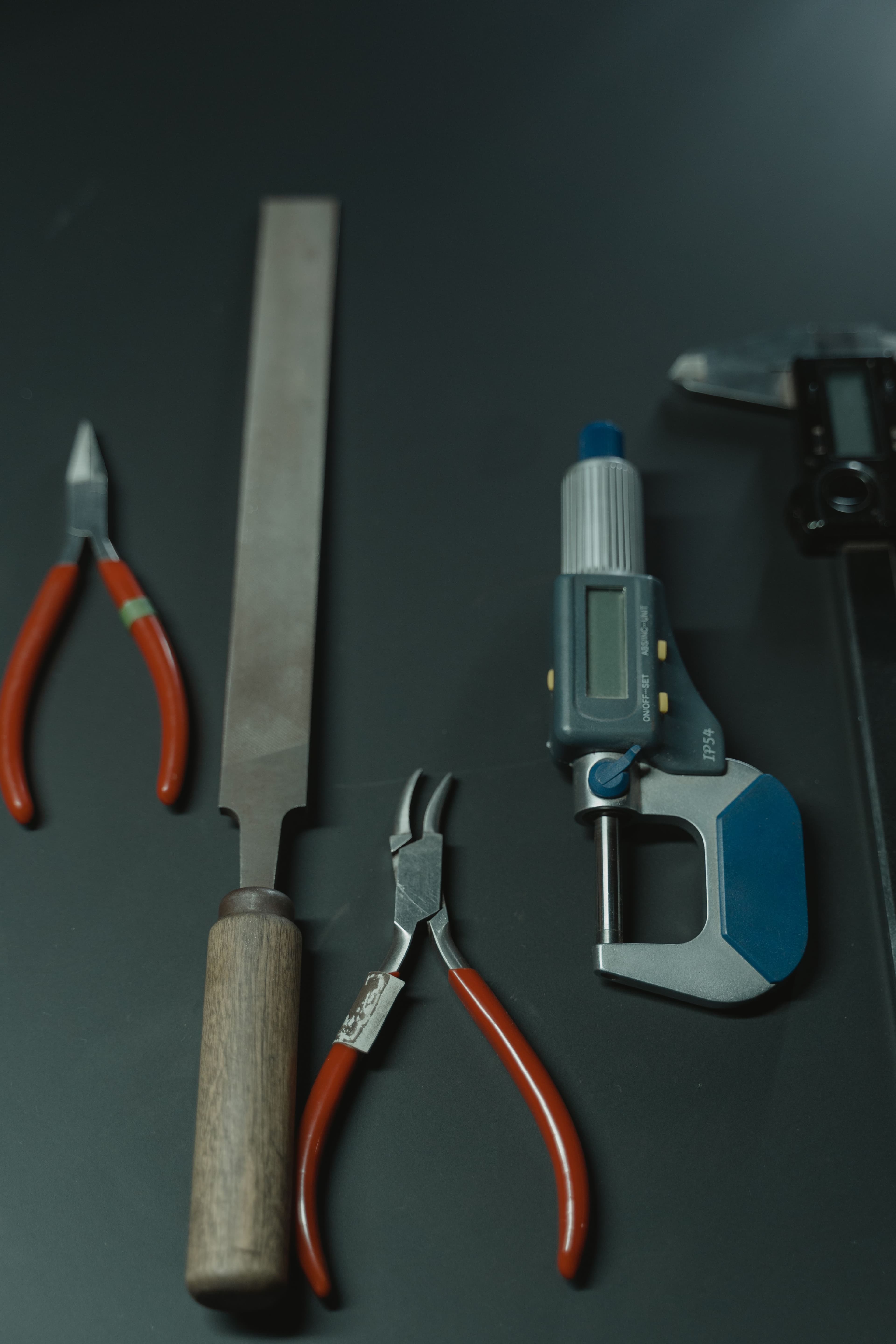
Cleaning, Polishing, and Component Work
A large part of what makes a trigger feel gritty is friction and buildup at the contact points inside the trigger group. Carbon fouling, old grease, and machining marks left over from manufacturing all add resistance you can feel in the pull.
Depending on the firearm, this stage can involve thoroughly cleaning the trigger group, polishing contact surfaces to reduce friction, and, where appropriate, replacing worn springs or components with correctly rated replacement parts. Every change is made with attention to how it affects the overall pull weight and reliability of the sear engagement, since removing too much material or altering geometry incorrectly can create a functionally unsafe trigger.
- ◆Disassembly and thorough cleaning of the trigger group
- ◆Inspection of sear engagement and wear patterns
- ◆Polishing of contact surfaces to reduce friction, where appropriate
- ◆Replacement of worn or out-of-spec springs and components as needed
- ◆Reassembly with correct lubrication for the firearm type
Testing, Measuring, and Function Checks
Once the trigger group is reassembled, we measure pull weight with a trigger pull gauge to confirm it falls within an appropriate and safe range for that firearm. We also run function checks, including safety engagement, half-cock or decocking function where applicable, and repeated cycling to confirm the trigger resets consistently.
This is one of the most important parts of the process and one that is easy to skip if you are not working with proper equipment. A trigger that feels good on a single pull but fails to reset properly, or that compromises the sear engagement safety margin, is not actually an improvement. It is a liability.
Why This Should Always Be Done by a Professional
We understand the appeal of doing trigger work at home. There is no shortage of videos showing shortcuts involving stone polishing or spring swaps. The problem is that trigger groups are safety-critical systems. Removing material from a sear surface incorrectly, or installing the wrong spring, can create a trigger that fires unexpectedly, fails to hold at half-cock, or does not reliably reset.
A professional trigger job is done with the correct specifications for that make and model in mind, using tools that allow precise, measured adjustments rather than guesswork. It is also verified with proper testing before the firearm ever leaves the shop.
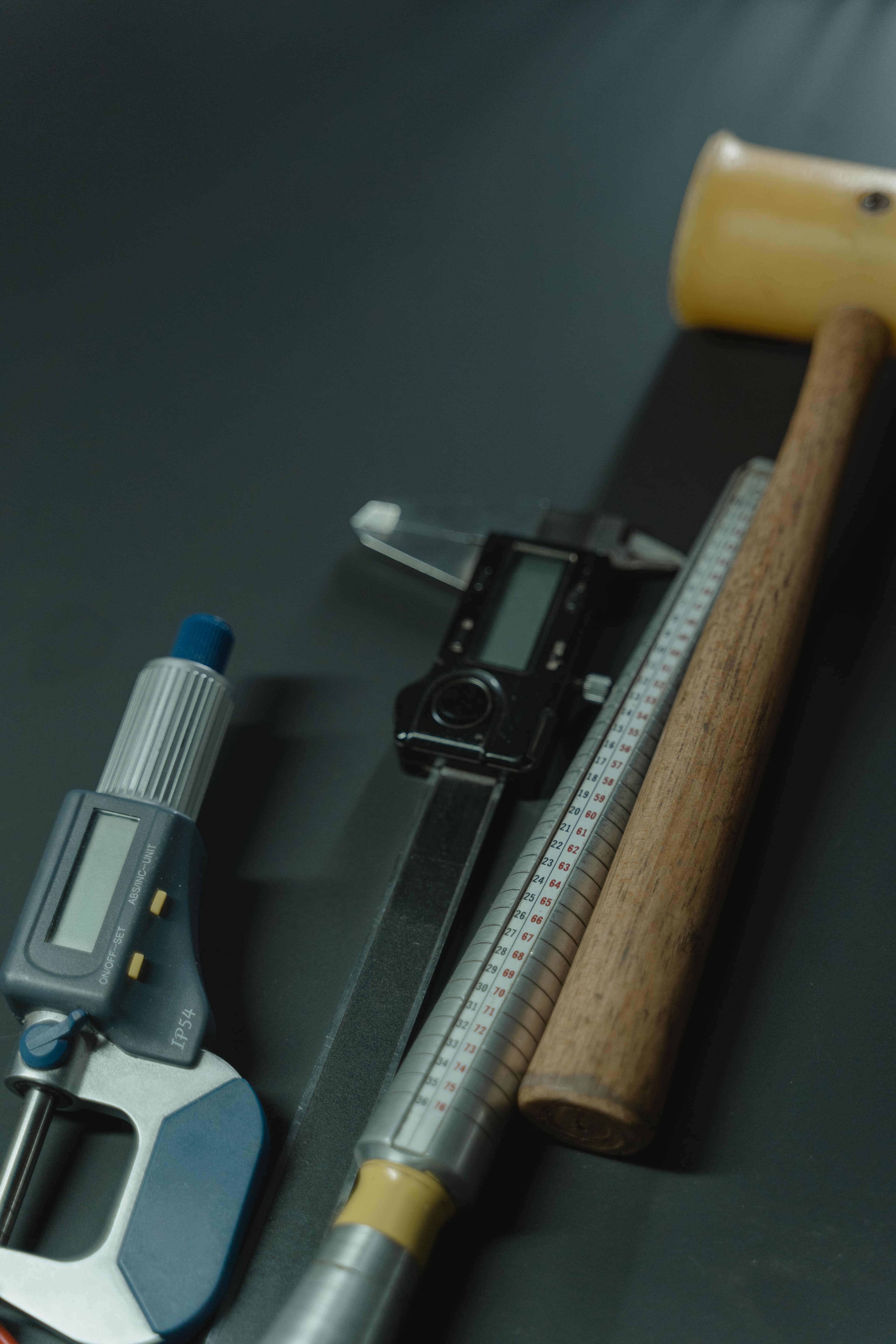
What to Expect When You Bring In Your Firearm
When you bring a firearm in for a trigger job, we will talk with you first about what you are noticing and what kind of use the firearm sees, whether that is hunting, competition, home defense, or general range use. That conversation helps guide the work, since a trigger for a precision hunting rifle and a trigger for a defensive handgun have different priorities.
From there we inspect, perform the appropriate work, and test thoroughly before returning the firearm to you. If we find an issue unrelated to the trigger during inspection, such as headspace or a worn part elsewhere in the action, we will let you know before proceeding.
Frequently Asked Questions
Will a trigger job make my trigger pull dangerously light?
+
No. A proper trigger job is done within safe specifications for your specific firearm. We do not remove material or install components that compromise the sear engagement or safety margin.
How much creep or grit is normal versus a sign of a problem?
+
Some creep is normal depending on the design of the firearm, but a sudden increase in grittiness or inconsistency usually points to wear, fouling, or a component issue worth having inspected.
Can every firearm get a trigger job?
+
Most modern rifles, shotguns, and handguns can benefit from professional trigger work, though what is appropriate varies by model. We will let you know what is realistic for your specific firearm during inspection.
How long does a trigger job usually take?
+
It depends on the firearm and the extent of work needed. Simple cleaning and polishing can be quicker, while jobs involving component replacement may take longer. We can give you a better estimate once we have inspected the firearm.
Is a trigger job the same as a hair trigger conversion?
+
No. Our goal is a smoother, more consistent, and predictable trigger pull within safe specifications, not an artificially light or unstable trigger.
Should I get a trigger job if my firearm is already reliable?
+
If your trigger already feels smooth and consistent, you may not need any work done. Trigger jobs are most valuable when a trigger feels heavy, gritty, or inconsistent.