
August 6, 2026 · Custom Work
Refinishing is usually raised as an appearance question. A customer does not like the colour, or the finish has worn through at the high points, or they want a rifle to look like a matched set with something else they own. Those are perfectly good reasons, and we do that work.
But the more interesting half of the conversation is protection, and it gets less attention than it deserves. A finish is the barrier between the metal and everything the environment throws at it, and in Southern Nevada that environment is harder on firearms than most owners realise. This article covers both sides, how the work is scoped, and what to expect.
What a Finish Is Actually Doing
Every firearm finish is a compromise between protection, appearance, and how it changes dimensions. Traditional bluing is a chemical conversion of the steel surface itself, which is why it is thin, does not affect fit, and looks the way people expect a classic firearm to look. It is also relatively modest protection, and it depends on being kept oiled.
Applied coatings like Cerakote sit on the surface rather than converting it. That gives significantly better resistance to corrosion, solvents, and wear, and it opens up colour options that chemical finishes cannot produce. The trade-off is that it adds a layer, which means the fit of close-tolerance parts has to be accounted for rather than assumed.
Neither is universally better. What matters is matching the finish to the firearm and to how it is used, and that is the first thing we talk about rather than the colour.
Why Protection Matters More Here
Southern Nevada is often described as an easy climate for firearms because it is dry. That is partly true and it makes people complacent about the ways it is genuinely demanding.
Fine dust is constant and abrasive, and it works at a finish at every contact point. Sun exposure is intense, which matters for anything that spends time outdoors. Temperature swings in garages, outbuildings, and vehicles are wide, and moisture condenses on cool metal even in a dry region. Add sweat and skin oils on a firearm that is handled or carried regularly, and the finish is being asked to do real work.
For a firearm that lives in a safe and comes out occasionally, none of that is pressing. For a working gun, a carry firearm, or anything used in the field around Pahrump and the wider region, a durable finish is a practical decision rather than a cosmetic one.
Preparation Is Most of the Job
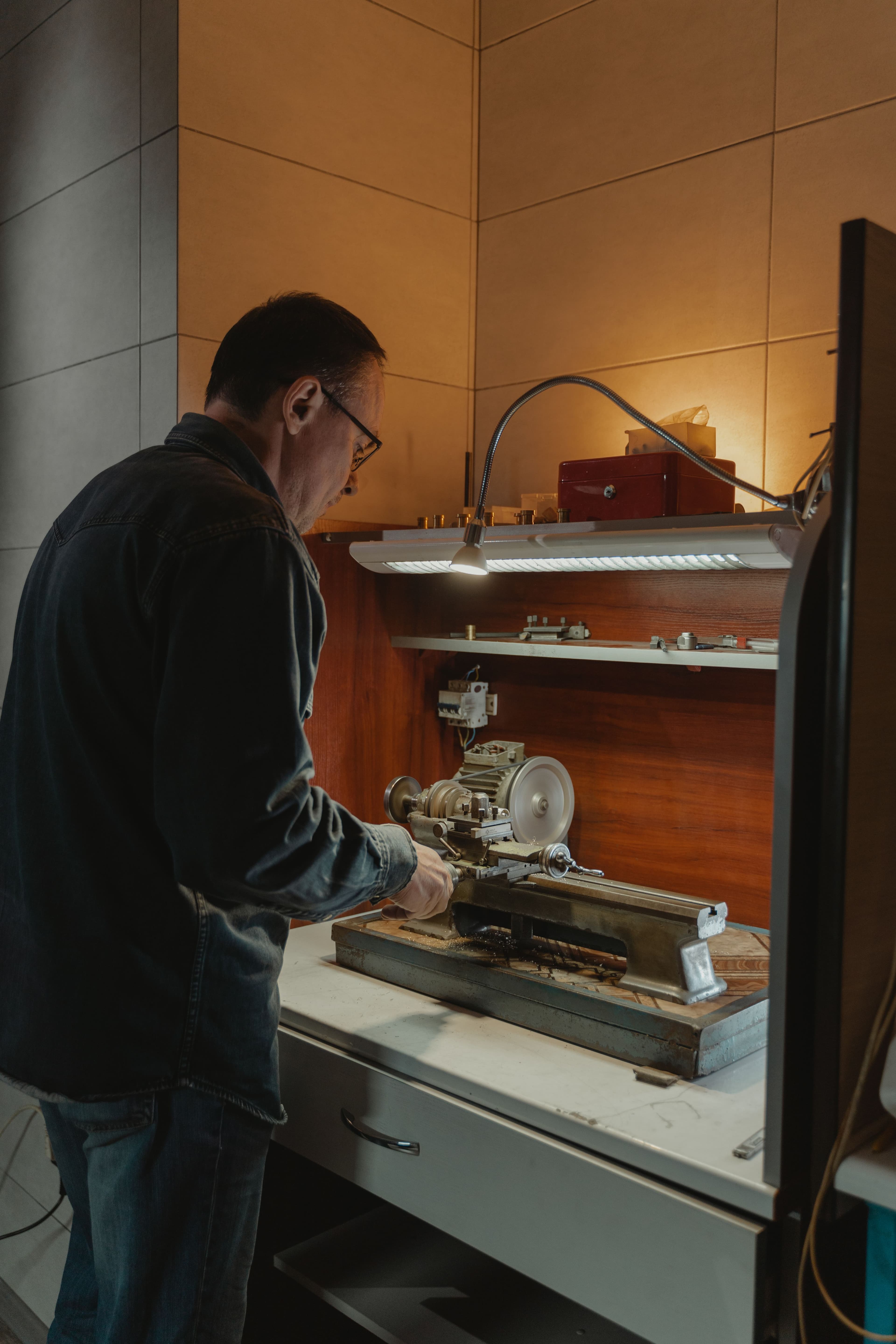
The part customers never see and that determines the result. Any applied finish is only as good as the surface underneath it and the preparation that went into it. Contamination, existing finish, oil, and surface condition all have to be dealt with properly before anything is applied.
That is why a refinish is not a quick job and why prices vary more than people expect. Two firearms that look similar can need very different amounts of preparation depending on their condition, previous finishes, and whether anything has been done to them before.
It is also why we do not publish a procedure for this and would treat with caution anyone who does. Home coating attempts we see come back through the shop tend to fail for preparation reasons rather than application reasons, and the repair is stripping everything and starting again, which costs more than doing it properly the first time.
Dimensions, Fit, and What Gets Masked
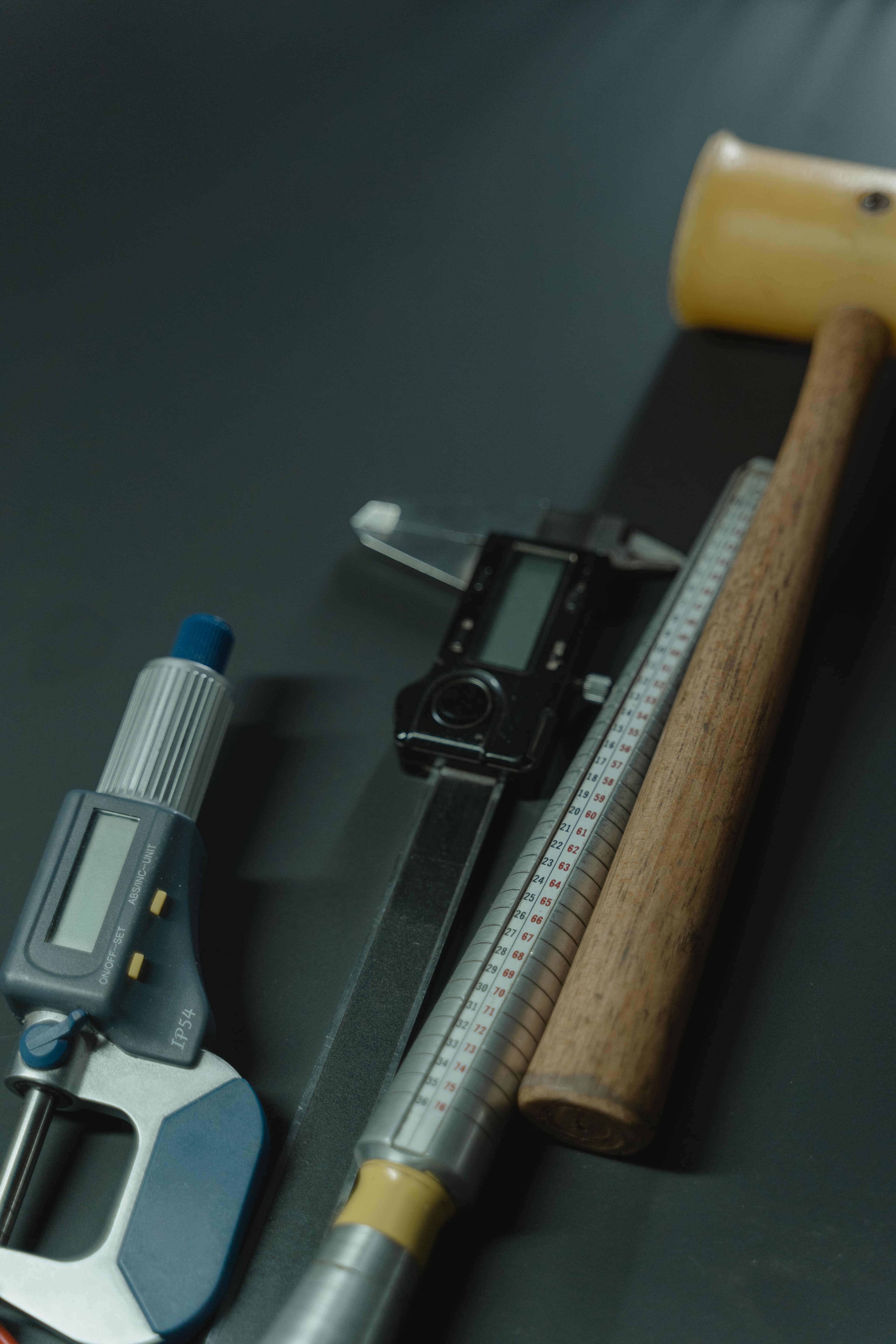
Because an applied coating adds thickness, parts that fit closely need thinking about in advance. Bores, chambers, and precision bearing surfaces are not places you want an unplanned layer, and part of scoping a job is deciding what gets coated and what is masked or left alone.
On a firearm with tight tolerances this is a real design consideration, not a formality. It is one of the reasons a refinish involves disassembly rather than being done to an assembled gun, and why the work naturally combines with a clean and inspection while everything is apart.
How the Work Gets Scoped
The conversation follows a consistent shape, and coming in with a sense of these answers speeds things up considerably.
- ◆What the firearm is for, since a working gun and a display piece pull differently
- ◆Its current condition, including existing finish and any corrosion
- ◆Whether the whole firearm is being finished or only certain components
- ◆Colour and finish choice, which is where most customers start and we usually finish
- ◆What needs masking or excluding, particularly bores and close-tolerance surfaces
- ◆Whether other work should happen while the firearm is apart
- ◆Timeline, including that finishing is generally scheduled toward the end of a project
That sixth item is worth taking seriously. A firearm is already disassembled for a refinish, so combining it with mechanical work, a deep clean, or sight changes avoids paying twice for the same teardown. Customers who think of these as separate visits usually spend more than they needed to. Our custom gun work page covers projects that combine several of these.
Refinishing an Older Firearm
This deserves a pause rather than a default yes. Refinishing is permanent, and on an older firearm the original finish and the honest wear it has accumulated are part of what the gun is.
For a working firearm the owner intends to use hard, refinishing is often the right call and improves it. For an inherited piece with history attached, or one where collector value is a factor, it can remove something that cannot be put back. We lay out the options rather than assuming that new-looking is the goal, and a fair number of customers decide differently once they have thought about it.
Frequently the best outcome on an older gun is mechanical work to make it function properly, careful cleaning and stabilisation to stop deterioration, and the character left intact. Our firearm restoration page covers those considerations in more depth.
Turnaround and Curing
Finish work takes longer than most customers expect, and the reason is that a good deal of the time is not labour. Preparation, application, and curing each have their own requirements, and curing in particular is a fixed cost in time that cannot be compressed by working faster.
Add reassembly and function testing afterwards, and a refinish is not a same-week job when it is done properly. Anyone quoting a very short turnaround is either skipping something or has not scoped the work. We will give you an honest range once we know the condition of the firearm and what is involved, and tell you plainly if a deadline you have in mind is not realistic.
Living With a Coated Firearm
One practical note for afterwards. An applied finish is durable rather than indestructible, and treating it as maintenance free is how people end up disappointed with it two years later.
A coated firearm still wants to be kept clean and still benefits from the same basic care any firearm does. Where it differs from bluing is that it does more of the protective work itself and depends less on a film of oil to survive. That is a genuine advantage for a gun that lives in a truck or gets carried in the field around Pahrump, and it is the reason we recommend it for working firearms. It is not a licence to stop paying attention to the gun.
If you are unsure what care a particular finish wants, ask us when you collect the firearm rather than working from something you read elsewhere. Finishes differ from one another, and general advice applied to the wrong one is how good work quietly gets undone.
Booking Finish Work
We handle Cerakote and refinishing for customers across Pahrump and from Las Vegas, Henderson, and the surrounding Southern Nevada area, on rifles, shotguns, handguns, and cowboy action guns alike.
Bring the firearm unloaded and cased, and bring a sense of what you want it to do rather than only what you want it to look like. Our Cerakote and finishing page covers the service, and the contact page is the quickest way to start a conversation about a specific firearm.
Frequently Asked Questions
Is refinishing only about appearance?
+
No, and on a working firearm protection is usually the more important half. A finish is the barrier between metal and the environment, and in Southern Nevada dust, sun, heat swings, and handling all work against it.
How is Cerakote different from bluing?
+
Bluing is a chemical conversion of the steel surface, so it is thin, does not affect fit, and gives a classic appearance with modest protection that depends on oiling. Applied coatings sit on the surface, offering better resistance to corrosion, solvents, and wear, but they add thickness that close-tolerance fits have to account for.
Why does refinishing cost and take more than I expected?
+
Because preparation is most of the job and curing takes fixed time that cannot be rushed. Two firearms that look similar can need very different preparation depending on condition and previous finishes.
Can I refinish a firearm at home?
+
We would advise against it. The home attempts we see come back through the shop usually fail for preparation reasons, and the repair is stripping everything and starting again, which costs more than having it done properly once.
Should I refinish an inherited firearm?
+
Think about it rather than defaulting to yes. Refinishing is permanent and removes original finish and honest wear, which on a family piece is part of what the gun is, and on some firearms it affects collector value. We lay out the options and leave the decision with you.
Can other work be done at the same time?
+
Yes, and it usually saves money. The firearm is already apart for a refinish, so combining mechanical work, a deep clean, or sight changes avoids paying twice for the same teardown.