
August 28, 2026 · Custom Work
Custom work is the part of gunsmithing people find most interesting and understand least. The finished results get photographed and the process behind them does not, which leaves owners with a reasonable sense of what is possible and very little sense of how a project actually gets from a conversation to a firearm.
This article covers that middle part. It is deliberately about process rather than technique, because the useful thing for an owner considering a project is knowing how the decisions get made, where the costs sit, and what to expect along the way.
It Starts With What the Firearm Is For
The first conversation is not about parts. It is about what you want the finished firearm to do, and it is the single most valuable half hour in the whole project.
A rifle built to be carried all day in broken country and one built to be shot from a bench at distance pull in opposite directions on nearly every decision. A cowboy action gun built for match use has different priorities from the same platform built to be admired. Until that is settled, discussion about specific components is premature, because the components follow from the purpose rather than the other way round.
The other half of that conversation is honesty about budget. Not because we are trying to establish a ceiling, but because a realistic figure lets us tell you what is achievable within it and where the money is best spent. A build that spends heavily on one visible component and economises on the fitting that makes everything work together is a common and avoidable mistake.
Base Firearm, Parts, and Compatibility
Starting Point
Some projects begin with a firearm the customer already owns and wants transformed. Others begin from scratch with a chosen base. Both are normal, and each brings its own constraints. Working from an existing firearm means its condition and history are part of the picture, and that is worth assessing before plans get detailed.
Compatibility Is the Common Sticking Point
The most frequent problem in customer-supplied parts is not quality but fit. Components that are advertised as compatible are not always compatible with this particular firearm in this particular combination, and drop-in is a description that survives contact with reality less often than manufacturers imply.
This is why we prefer to be part of the parts conversation rather than receiving a box afterwards. It costs nothing to check a list before it is ordered, and it avoids the genuinely deflating situation where a customer has spent money on components that will not work together.
Fitting Is Most of the Work
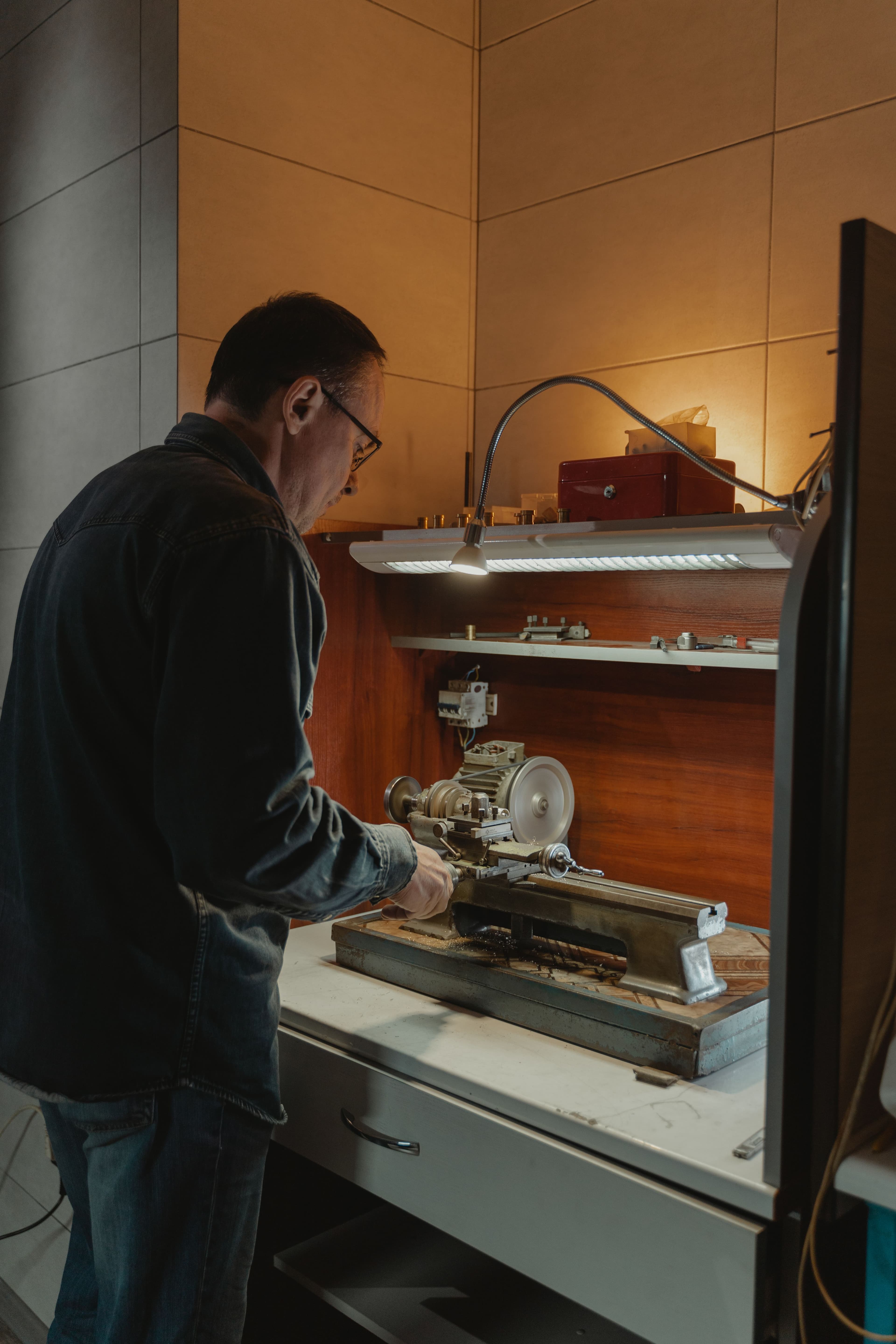
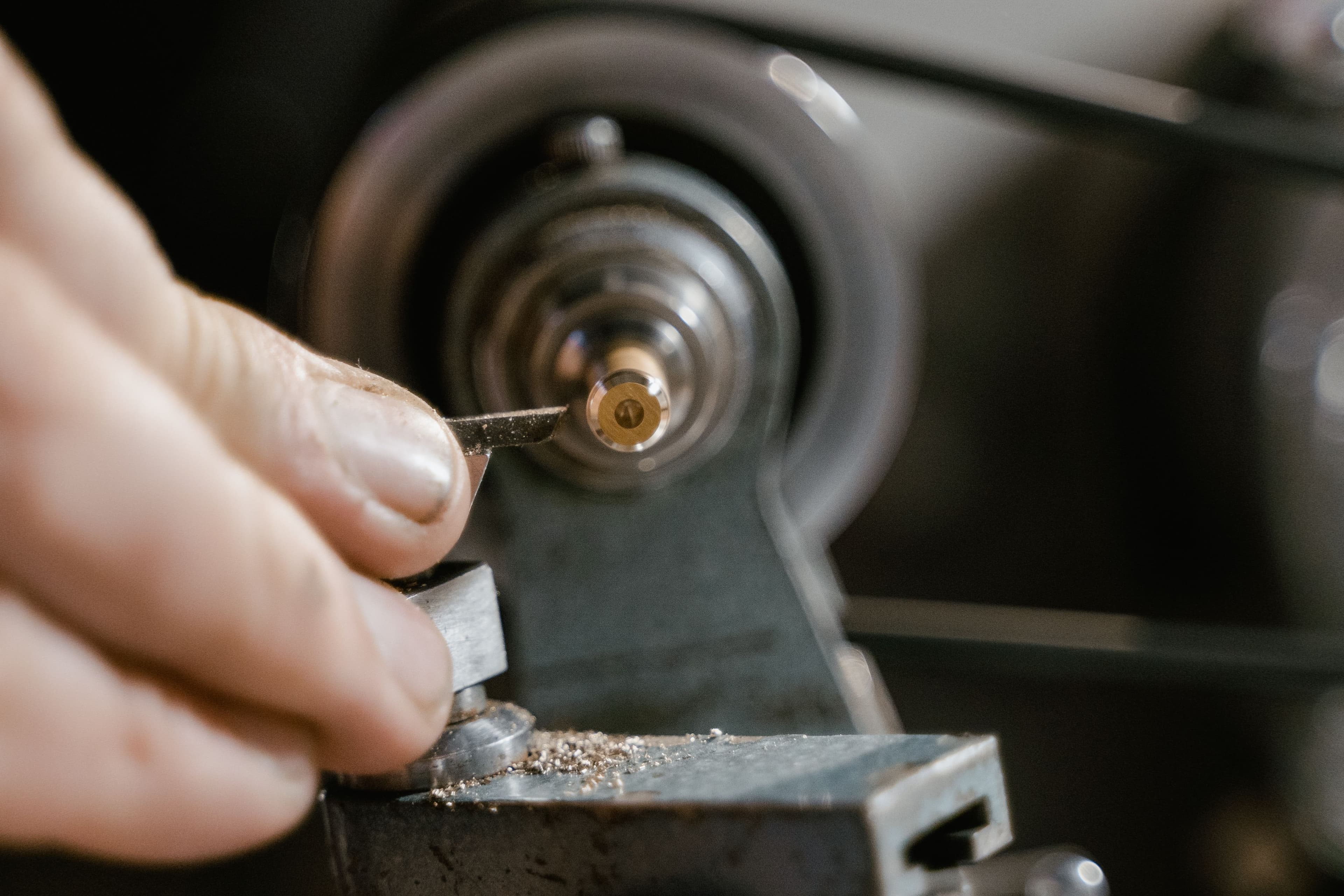
The part owners underestimate. A great deal of custom work is not installing components but fitting them, making parts that are approximately right into parts that are exactly right for this firearm. That is where the time goes, it is where the skill lives, and it is what separates a build that works from an assembly of good parts that does not.
How a Project Runs
Every build is different but the sequence is consistent, and knowing it helps set expectations about timelines.
- ◆Consultation to establish purpose, priorities, and a realistic budget
- ◆Assessment of the base firearm, including condition if it is one you already own
- ◆Component selection, with compatibility confirmed before anything is ordered
- ◆A written scope and estimate so you know what you are agreeing to
- ◆The work itself, which is mostly fitting rather than assembly
- ◆Any finishing work, which is generally scheduled toward the end
- ◆Function testing before the firearm is handed back
- ◆A walkthrough of what was done and anything you should know about upkeep
If something unexpected turns up mid-project, you get a call before we go further. Custom work involves more discovery than routine repair, and occasionally something inside a firearm changes what is sensible. That is a conversation, not a decision we make for you.
Finishing and Where It Fits
Finishing usually comes last, and it is worth deciding early even though it happens late. Cerakote and other applied finishes are as much about protection as appearance, which matters in Southern Nevada where dust and sun are constant, and the choice interacts with everything else in the build.
On an older or inherited firearm there is a further question, and it deserves genuine thought rather than a default. Refinishing is permanent, it removes original finish and honest wear, and on some firearms it affects value to a collector. We lay out the options rather than assuming that new-looking is the goal. Our Cerakote and finishing page covers the work, and our firearm restoration page covers the different considerations that apply to older guns.
Custom Work on Cowboy Action Guns
A distinct strand of our custom work, and one with its own considerations. Cowboy action projects sit at the point where mechanical refinement, period character, and category requirements all have to be satisfied at once.
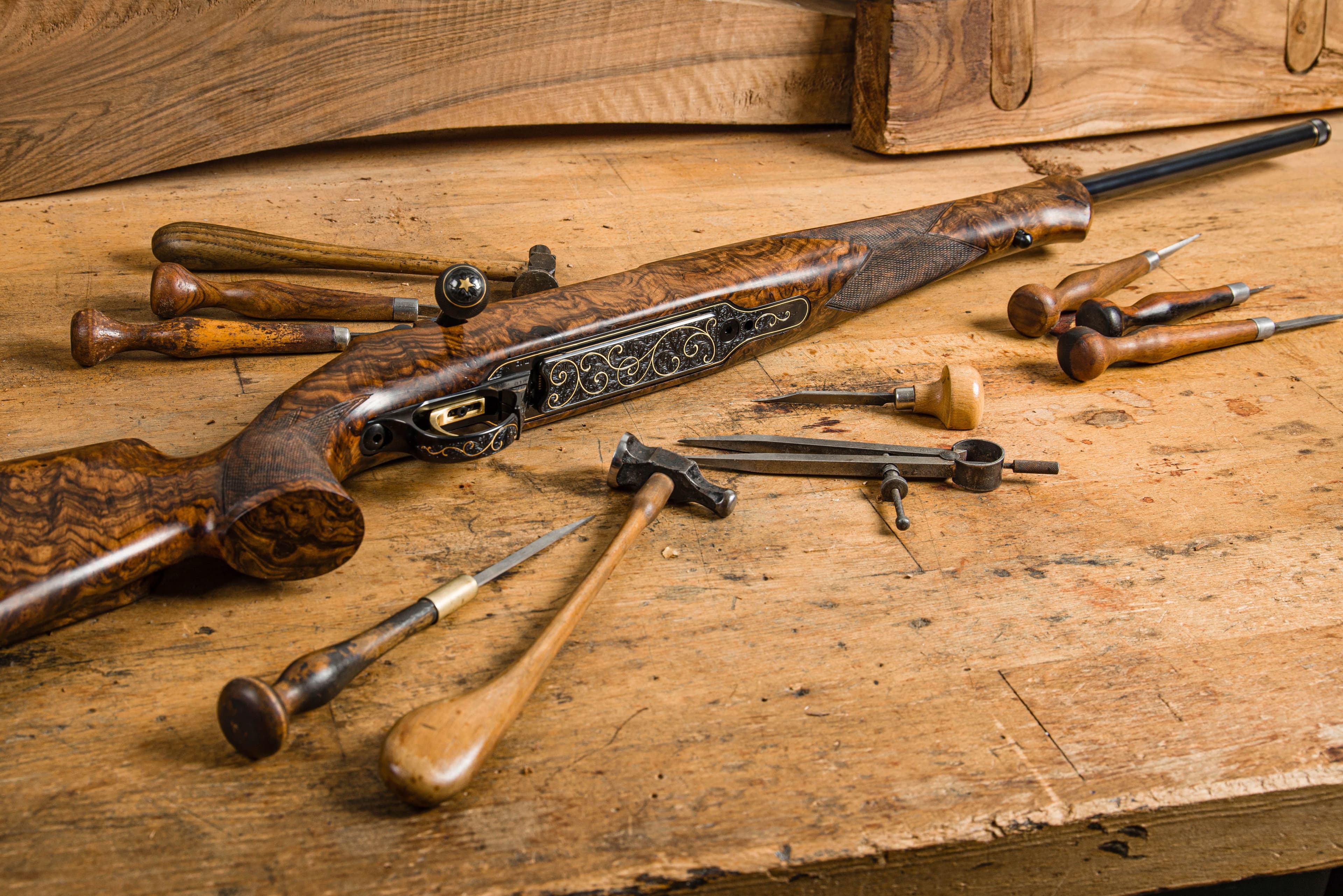
The mechanical side overlaps heavily with the action work described on our cowboy action gunsmithing page: timing, lockup, and smoothing on single actions, stroke and feed reliability on lever guns, ejector timing on doubles. What makes it a custom project rather than a service is when the owner also wants the firearm to look a particular way, whether that is grips, finish, or decorative work.
The conversation worth having early is where the priorities sit between the two. A match gun should be built around function first, with appearance chosen from what does not compromise it. A gun intended more for display can be approached the other way round. Both are legitimate, and confusing the two is how people end up with a beautiful firearm that is not quite right on the clock.
Timelines and Why They Vary
Custom projects take longer than repairs and the range is wide. The variables are parts availability, how much fitting is required, whether finishing is involved, and what else is on the bench when your project arrives.
Anyone who quotes a firm date before scoping the work is guessing. What we will give you is an honest range once we know what the project involves, and updates if something changes. If you have a date that matters, say so at the start, and we will tell you plainly whether it is realistic rather than letting you discover otherwise late.
Compliance and Regulated Components
Worth stating plainly. Custom work is carried out in accordance with applicable federal, state, and local requirements, and some components and configurations carry requirements that others do not.
If a project touches anything in that category, we will tell you what that means for the work and what is involved before anything proceeds. We are not going to advise on how to navigate around a requirement, and any shop that offers to is not one you should be handing a firearm to. Where a proposed project is not something we can do, you will get a straight answer rather than a workaround.
Starting a Conversation
You do not need a finished plan to come in. Most projects start with an idea and a firearm rather than a specification, and the consultation is where the idea becomes something concrete and costed.
Bring the firearm if there is one, bring any parts you have already bought, and bring a clear sense of what you want the finished thing to do. We work with customers across Pahrump and from Las Vegas and Henderson on rifles, shotguns, handguns, and cowboy action guns alike. Our custom gun work page covers the service, our project gallery shows completed examples, and the contact page is the quickest way to arrange a first conversation.
Frequently Asked Questions
Where does a custom project actually start?
+
With what you want the finished firearm to do, not with parts. Components follow from purpose, so a rifle built to be carried all day and one built for the bench pull in opposite directions on nearly every decision. That first conversation is the most valuable part of the project.
Can I supply my own parts?
+
Yes, and we would rather be part of the conversation before you order than receive a box afterwards. The most common problem with customer-supplied components is not quality but fit, and drop-in survives contact with reality less often than manufacturers imply.
Why does fitting cost so much of the budget?
+
Because it is most of the work. Custom building is largely making parts that are approximately right into parts that are exactly right for this firearm. That is where the time and the skill go, and it is what separates a build that works from an assembly of good parts that does not.
How long will a custom build take?
+
The range is wide and depends on parts availability, how much fitting is needed, whether finishing is involved, and current workload. We give an honest range once the project is scoped, and updates if something changes. Tell us at the start if you have a date that matters.
Should I refinish an older firearm as part of a build?
+
Think about it rather than defaulting to yes. Refinishing is permanent, removes original finish and honest wear, and on some firearms affects collector value. We lay out the options rather than assuming a new-looking result is the goal.
Are there projects you will not take on?
+
Yes. Custom work is carried out in accordance with applicable federal, state, and local requirements, and some components and configurations carry requirements others do not. If a project is not something we can do, you will get a straight answer rather than a workaround.