
June 15, 2026 · Firearm Maintenance
Most conversations about firearm care focus on cleaning after use, and that is important, but storage is just as significant to a firearm's long term condition. A firearm that is stored improperly can develop rust, warped wood, sticky actions, or degraded ammunition even if it is never fired at all. Good storage habits protect both safety and value over the years a firearm sits between uses.
Whether you own one firearm or a full collection, a little attention to how and where you store your equipment goes a long way toward preventing problems before they start.
Choosing the Right Storage Environment
Where a firearm lives matters as much as how often it is cleaned. Temperature swings, humidity, and airflow all affect metal and wood differently, and getting the environment right is one of the simplest ways to prevent long term damage.
- ◆Aim for a stable, moderate temperature rather than a space with wide seasonal swings
- ◆Control humidity with a dehumidifier or silica gel packs, especially in basements or garages
- ◆Avoid airtight cases for long term storage, since trapped moisture can accelerate corrosion
- ◆Keep firearms away from direct sunlight, which can fade finishes and dry out wood stocks
- ◆Store firearms upright or in a way that avoids stress on springs and stocks when possible
Safe Storage Practices
Beyond environmental factors, secure storage is a core responsibility of firearm ownership. A quality gun safe or locking cabinet protects against unauthorized access, theft, and accidental exposure to children or others in the household. Many safes also help regulate humidity better than open storage, which is an added benefit for long term condition.
Ammunition Storage
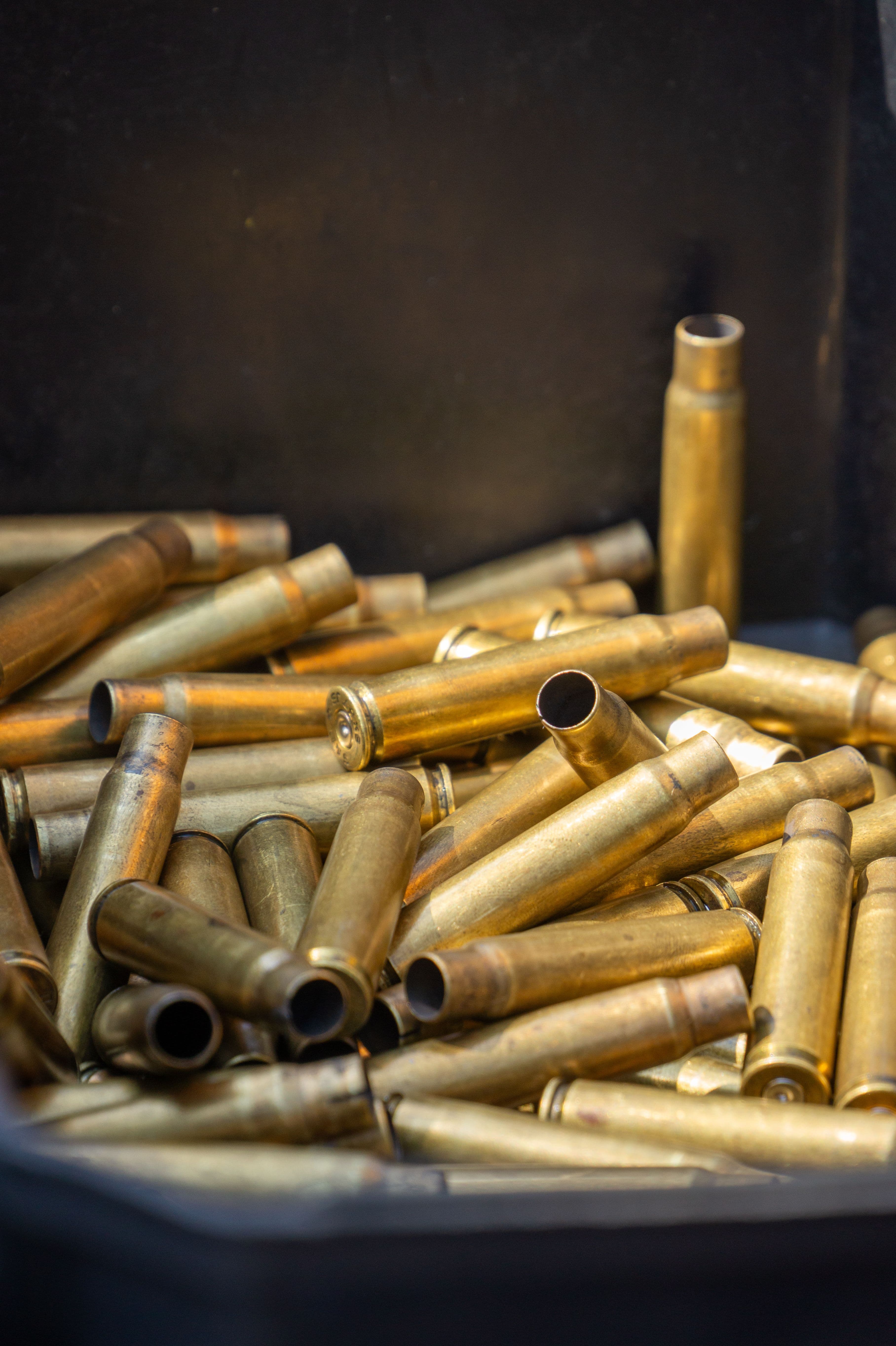
Ammunition should generally be stored separately from firearms in a cool, dry location, away from direct heat sources. Extreme temperature swings can affect powder and primers over time, so a stable environment matters here as much as it does for the firearms themselves.
Periodic Maintenance Between Uses
Even a firearm that is stored well should not simply be left untouched indefinitely. Periodic checks catch problems that develop slowly, long before they become serious.
- ◆Inspect stored firearms every few months for surface rust, discoloration, or moisture buildup
- ◆Wipe down exposed metal with a light coat of preservative oil during long storage periods
- ◆Check that magazines are not left fully loaded for extremely long stretches, which can affect spring tension over time
- ◆Cycle the action occasionally to keep moving parts from seizing
- ◆Rotate or reposition firearms in a safe periodically rather than letting them sit in exactly the same spot for years
Preparing a Firearm for Long Term Storage
If a firearm is going into storage for an extended period, such as through an off season or during a move, a bit of preparation makes a real difference. Clean and dry the firearm thoroughly before storing it, apply an appropriate rust preventive to exposed metal surfaces, and avoid storing it in a case or holster that traps moisture against the metal.
It is also worth noting the condition of the firearm before storage, so any changes are easier to spot when it comes back out. A quick photo or note about the firearm's condition can be a helpful reference months later.
When to Bring a Stored Firearm In for Inspection
After any extended period of storage, particularly more than a season, it is worth having a professional look over the firearm before returning it to regular use. This is especially true if the storage conditions were less than ideal, or if you noticed anything unusual when you took it out. A quick inspection can confirm the firearm is functioning correctly and catch anything that needs attention before it becomes a bigger issue.
Frequently Asked Questions
What is the ideal humidity level for firearm storage?
+
Most experts recommend keeping relative humidity in a storage area around 30 to 50 percent to reduce the risk of corrosion without drying out wood components excessively.
Should I store my firearms loaded or unloaded?
+
Long term storage is generally recommended unloaded, with ammunition stored separately, both for safety reasons and to reduce prolonged stress on magazine springs.
How often should I check on firearms in long term storage?
+
A check every few months is a reasonable habit for most storage situations, with more frequent checks in humid climates or less controlled environments.
Can a gun safe cause moisture problems?
+
Yes, if humidity is not managed. Safes can trap moisture just as easily as they keep it out, which is why many owners add a dehumidifier rod or desiccant packs inside.
Does ammunition go bad in storage?
+
Ammunition can degrade over time if exposed to extreme heat, humidity, or temperature swings, though properly stored ammunition in stable conditions can last for many years.
Is it normal for a stored firearm to need maintenance before use again?
+
Yes, especially after extended storage. A cleaning, lubrication, and function check before returning to regular use is a good habit even if the firearm looks fine.