
March 25, 2026 · Firearm Maintenance
Cleaning a firearm after use is one of the most basic habits a responsible owner should have, and most people do it with good intentions. The trouble is that a lot of common cleaning habits, some of them passed down for generations, quietly cause damage over time instead of preventing it. None of these mistakes are usually dramatic. They show up slowly, in the form of a bore that groups worse than it used to, a finish that looks tired years before it should, or an action that starts to feel gritty no matter how often it is wiped down.
Using the Wrong Solvents or Products
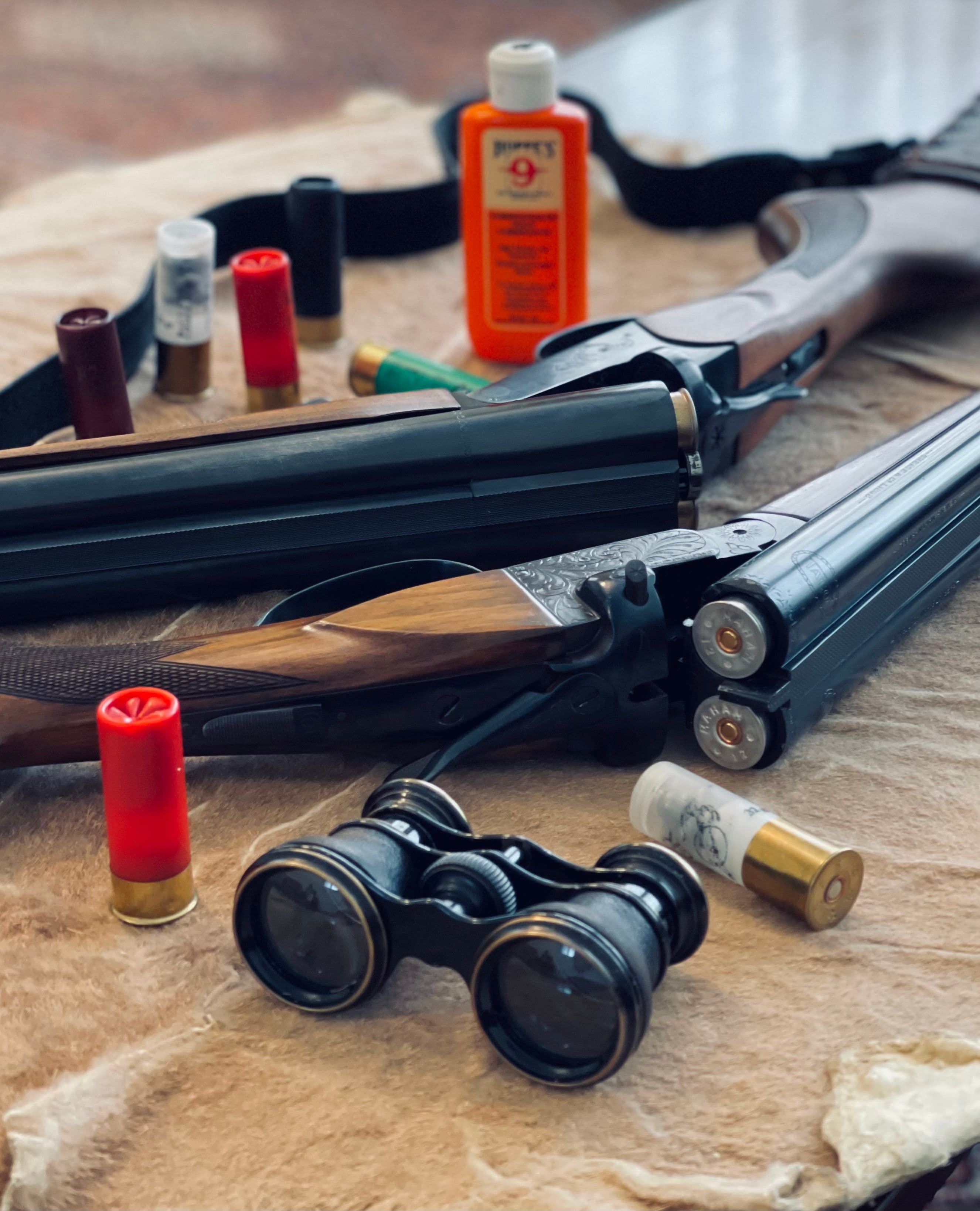
Not every cleaning product is right for every firearm. Some aggressive copper solvents left in a bore too long can affect certain barrel steels. Some general purpose oils are not suited for long term storage and attract dust and grit rather than repelling it. Using a product because it was in the cabinet, rather than because it is right for the specific firearm and finish, is one of the most common mistakes we see.
- ◆Leaving strong copper or carbon solvents in the bore far longer than the product instructions recommend
- ◆Using automotive or household oils that were never designed for firearm use
- ◆Applying too much solvent near wood stocks, where it can soak in and damage the finish or the wood itself
- ◆Mixing products that are not meant to be used together
Over-Lubrication
More oil is not always better. Excess lubrication attracts dust, sand, and lint, which then forms a gritty paste inside the action. In cold weather, too much oil can thicken and actually slow down the action or affect reliability. The right approach is a thin, even application in the specific points that need it, not a heavy coating everywhere.
Neglecting the Bore
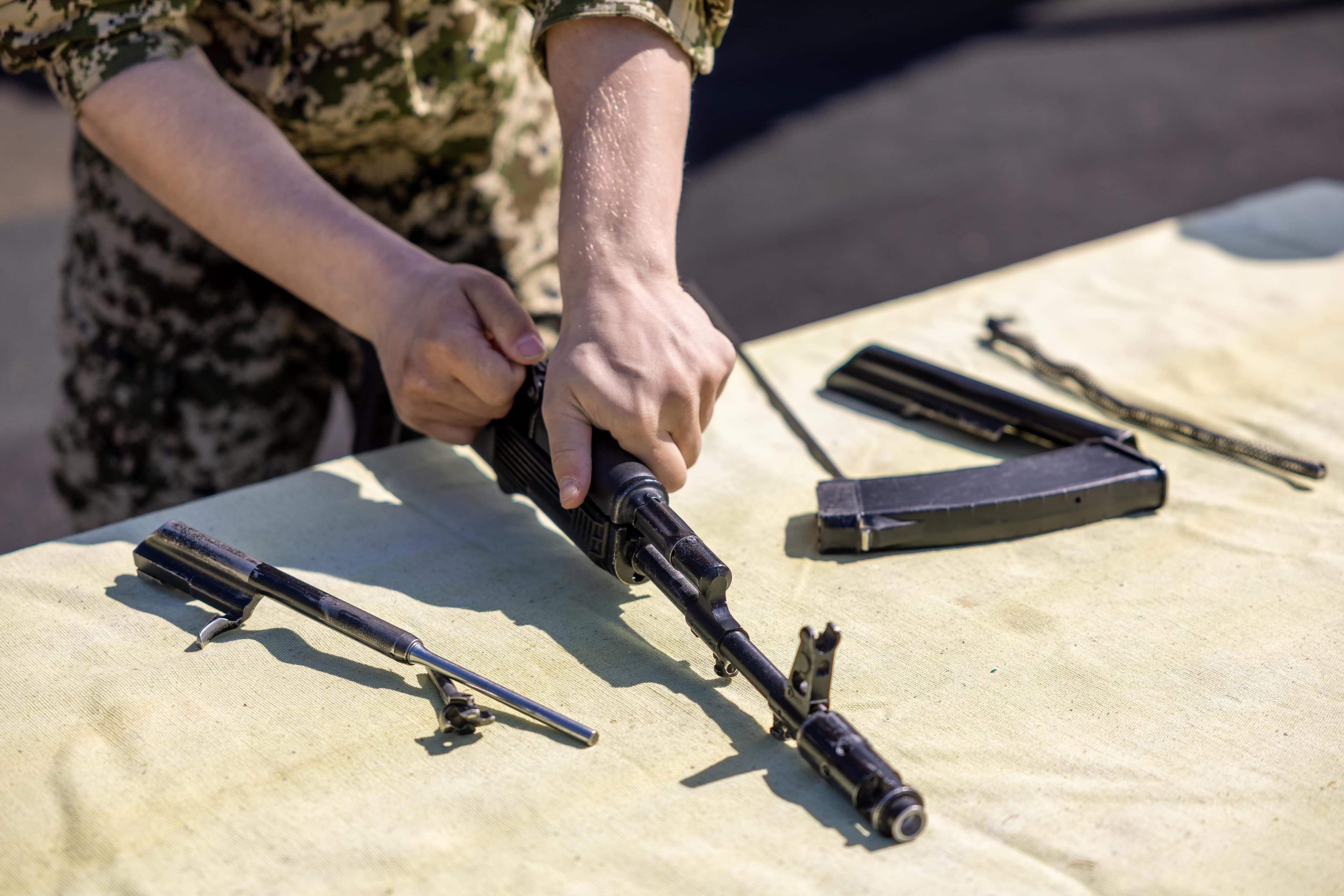
It is easy to wipe down the outside of a firearm and consider the job done, but the bore is where accuracy and long-term barrel health actually live. Copper and carbon fouling that builds up over many range sessions without a proper deep clean can affect accuracy and, over the long run, contribute to wear that is difficult to reverse. A bore that is only ever run over with a couple of quick patches is not getting the attention it needs.
Signs Your Bore Needs More Attention
- ◆Groups that have opened up compared to what the firearm used to shoot
- ◆Visible copper streaking or dark buildup that a patch will not remove
- ◆A noticeably rougher feel when a cleaning rod passes through
Improper Storage After Cleaning
Cleaning a firearm and then storing it incorrectly can undo most of the benefit. Sealing a firearm in a case with a thin layer of oil in a humid environment can trap moisture against the metal rather than protect it. Soft cases in particular can hold in humidity and lead to surface rust that was not there when the firearm was put away.
Disassembling Further Than Necessary
On the other end of the spectrum, some owners take a firearm apart further than they should for a routine cleaning, without a clear understanding of how to reassemble it correctly. This can lead to timing issues, misaligned parts, or small components that get lost. A standard field strip is usually all that is needed for regular cleaning, and anything beyond that is better left to a professional.
Why a Periodic Professional Cleaning Helps
Even owners who clean their firearms diligently benefit from an occasional professional deep clean. A gunsmith can spot early wear that is easy to miss during a routine wipe down, address stubborn fouling with the right tools and products for that specific firearm, and confirm the action is functioning the way it should. Think of it as the difference between washing your own vehicle and having it looked over during a scheduled service. Both matter, but they serve different purposes.
If your cleaning routine has been the same for years and you have started noticing your firearm does not perform quite like it used to, it may be worth bringing it in for a professional assessment rather than assuming more of the same routine will fix it.
Frequently Asked Questions
How often should I deep clean a firearm I shoot regularly?
+
It depends on use, but many owners benefit from a thorough cleaning every few hundred rounds, with a lighter wipe down after each range session.
Is it bad to leave oil in the bore for long term storage?
+
A very light protective coat is fine, but excess oil can attract debris and, in some cases, migrate into ammunition if not managed carefully. A thin, even layer is best.
Can bad cleaning habits actually affect accuracy?
+
Yes. Fouling buildup, over-lubrication, and improper bore care can all gradually affect how a firearm groups over time.
What is the safest way to store a firearm after cleaning it?
+
A dry environment with a light protective coating, ideally not sealed in a humid soft case, works best. A hard case with good ventilation or a proper safe is a better long term choice.
Should I disassemble my firearm beyond a normal field strip to clean it?
+
For routine cleaning, a standard field strip is usually enough. Going further without the right knowledge can create more problems than it solves.
Do you offer professional cleaning services separate from repair work?
+
Yes, a professional cleaning is a great standalone service, especially for firearms that see heavy use or have been sitting in storage for a while.