
August 12, 2026 · Cowboy Firearms
Ask a gunsmith what they check first on a single action revolver and the answer will almost always be timing. It is the foundation everything else sits on. An action job performed on a revolver with timing problems is money spent making a fault feel smoother, and that is not a service worth paying for.
Timing is also one of the least understood terms among owners, partly because the symptoms are easy to feel and hard to name. This article explains what timing describes, what it feels like when it starts to drift, and why we treat it as the first checkpoint rather than an optional extra.
What Timing Actually Describes
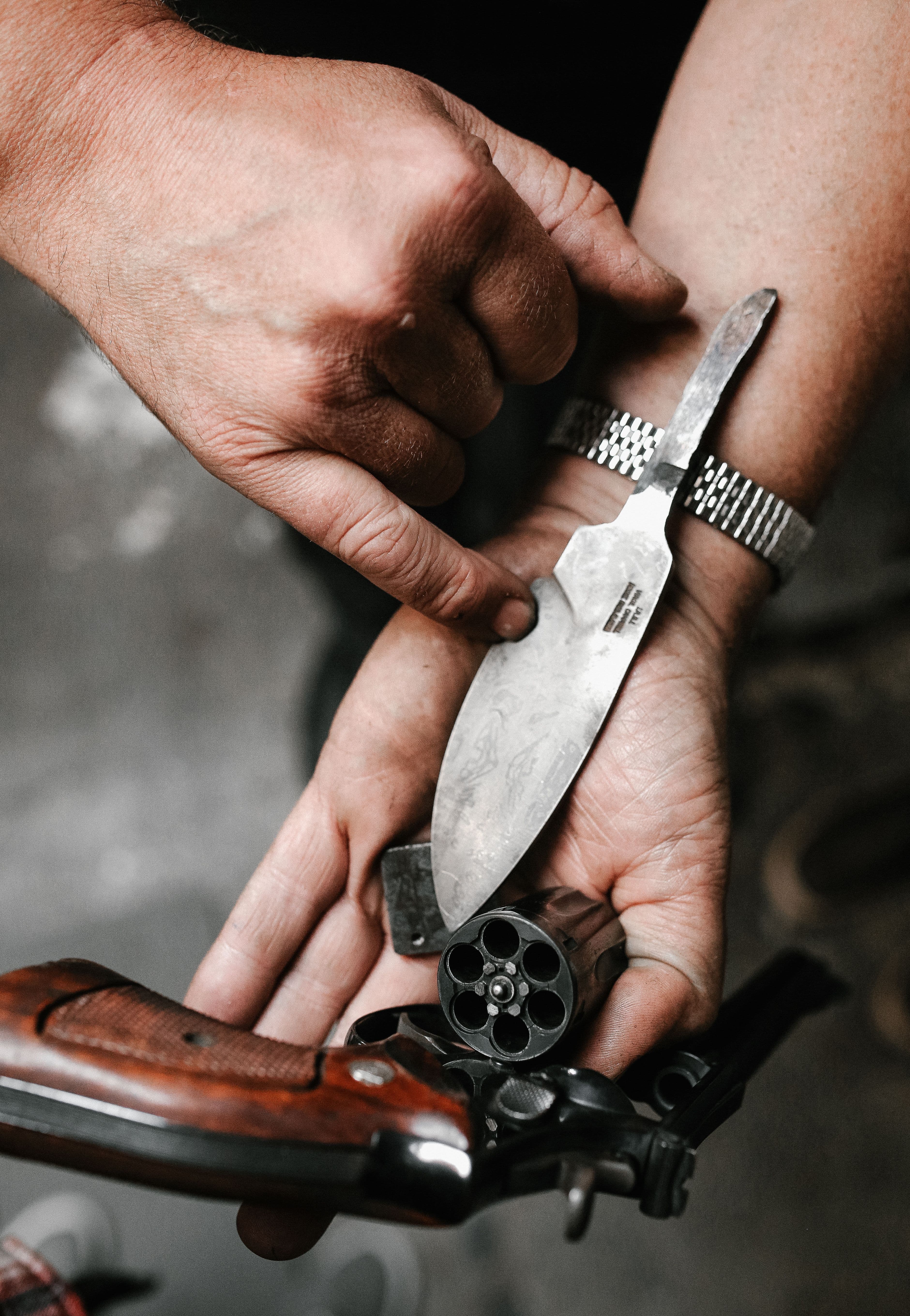
In plain terms, timing describes whether the cylinder arrives where it needs to be, when it needs to be there. As the hammer is cocked the cylinder rotates, and a stop engages to hold the chamber aligned with the barrel. Correct timing means each chamber carries up fully and locks in place before the hammer can fall.
Lockup is the closely related term describing how securely the cylinder is held once it arrives. A revolver can arrive on time and still have more play in lockup than it should. Both matter, and both get checked on every chamber rather than one, because wear rarely affects a cylinder evenly.
That last point is worth emphasising. Owners often report a revolver feeling fine, then notice it catching occasionally, and assume they imagined it. In many cases what they felt was one chamber behaving differently from the rest. Checking all of them is the only way to find that.
What It Feels Like When Timing Drifts
Timing rarely fails suddenly. It drifts, which is exactly why it goes unreported for so long. These are the descriptions we hear most often at the counter.
- ◆The hammer stroke feels different on some chambers than others
- ◆The cylinder seems to catch, hesitate, or need coaxing as it comes around
- ◆Lockup feels loose, or there is noticeable play when the hammer is back
- ◆The revolver has developed a feel the owner describes as vague or inconsistent
- ◆Accuracy has fallen off without an obvious cause such as damaged sights
None of these are things to shoot through and hope improve. A revolver that is not indexing correctly is not a gun with a cosmetic complaint, and continuing to use one that has started behaving this way is not a good idea. It is a straightforward thing for a gunsmith to assess, and assessing it early usually means a smaller job.
Why It Gets Checked Before Anything Else
Customers sometimes arrive asking for a lighter, smoother action and are mildly surprised when the conversation starts with timing instead. The reason is practical. Action work changes how the fire control parts interact. Performing it on a revolver whose cylinder is not indexing reliably means refining the feel of a mechanism that is not doing its basic job correctly.
Worse, a smoother action can mask the very symptom that was warning you something needed attention. The catch you used to feel becomes less noticeable, the underlying wear continues, and the eventual repair is larger than it needed to be. Checking timing first is not an upsell. It is the order the work has to happen in.
What Tuning Covers Once Timing Is Sound
With timing and lockup confirmed, the work most cowboy action shooters actually came for can proceed. That generally means addressing the bearing surfaces that make a hammer stroke feel gritty, fitting the relevant parts properly rather than simply swapping them, and setting spring rates for a cleaner cock without giving up positive engagement or reliable ignition.
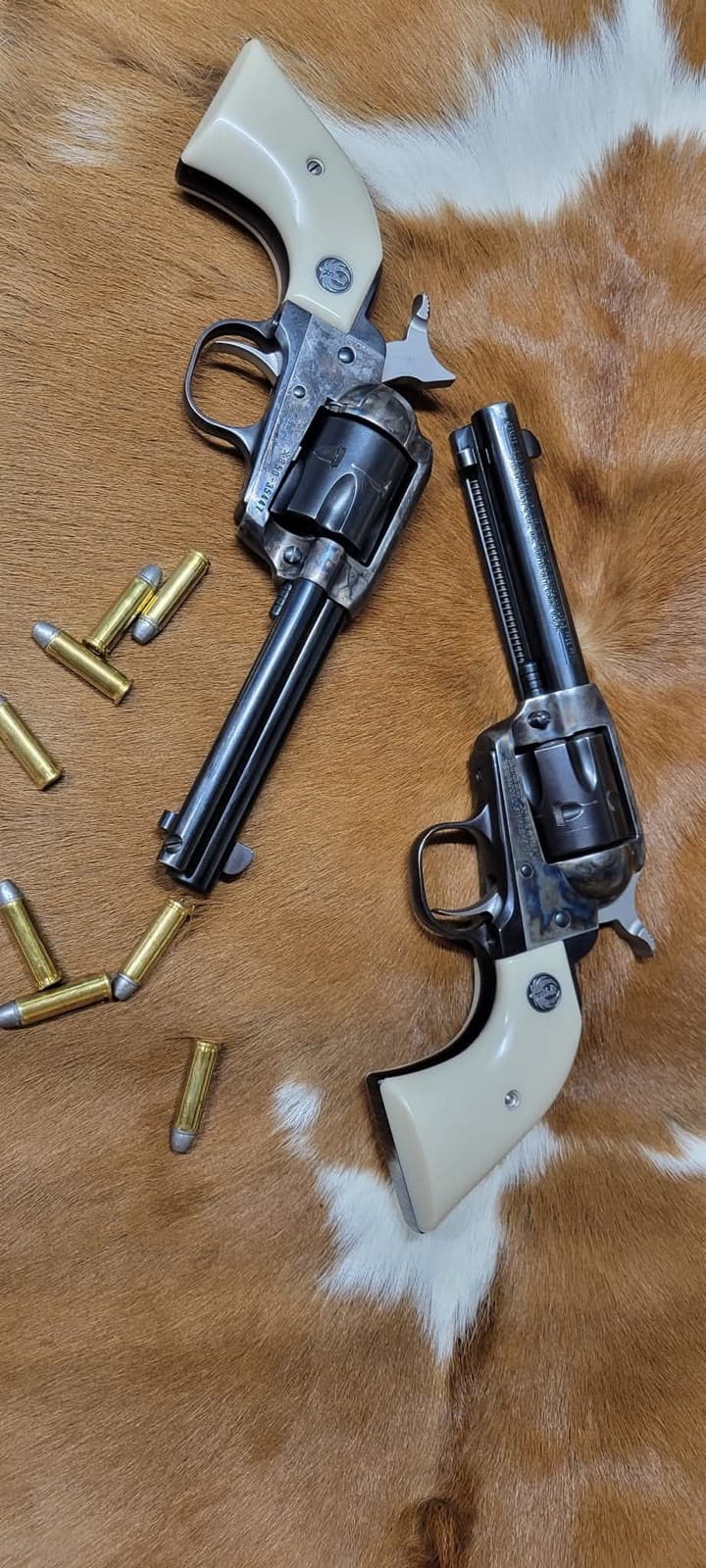
For competitors running a matched pair there is a further consideration. Two revolvers that each feel good in isolation but feel different from each other are a liability under a timer. Tuning them together, to the same standard, is usually the more useful outcome than optimising either one alone.
We are deliberately not describing procedures here. This is precision work on the parts that determine whether a firearm fires when it should and only when it should, and it belongs on a bench with the right measuring tools and someone trained to use them.
How Timing Relates to Accuracy
Timing is usually discussed as a feel and reliability issue, but it has an accuracy dimension as well that owners do not always connect. If a chamber is not fully aligned with the barrel when the round leaves the case, the bullet is not entering the bore squarely. The result is a revolver that groups worse than it should, sometimes with one chamber noticeably worse than the others.
This is why we treat an unexplained drop in accuracy as a reason to check timing rather than assuming the sights have moved or the shooter has gone off form. Sights are the obvious suspect and they are worth checking, but a mechanical explanation sitting underneath is common enough that it is worth ruling out. If accuracy has fallen away and nothing about your sights or your load has changed, mention that at intake.
The diagnostic advantage of checking every chamber shows up here too. A revolver where five chambers group acceptably and one throws shots wide tells a very different story from one that is uniformly mediocre, and the two point at different causes.
What Happens Once the Revolver Is on the Bench
Customers often ask what actually takes place after they hand a revolver over. Without turning this into a procedure, the sequence is straightforward and worth knowing.
- ◆The revolver is checked clear and its overall condition assessed before anything else
- ◆Timing and lockup are evaluated on every chamber and the findings recorded
- ◆The action is examined to identify which surfaces are actually causing drag
- ◆We call you with what we found, what we recommend, and what it will cost
- ◆Agreed work is carried out and the parts are fitted rather than simply swapped
- ◆The revolver is function tested before it goes back to you
That fourth step matters more than it sounds. If we open a revolver and find something significant that was not part of the original conversation, you get a phone call before we go any further. Nobody enjoys collecting a firearm alongside an invoice they were not expecting, and we would rather have the awkward conversation early than the worse one later.
Older Revolvers and Inherited Guns
A steady share of the revolvers on our bench are not competition guns at all. They are family firearms that have been in a drawer or a safe for years, brought in by someone who wants to know whether they are safe to shoot. Timing is the first thing we look at on those too.
Age alone is not a problem. Neglect and wear are, and a revolver that has sat unused for decades can have issues that are not visible from the outside. Having it inspected before any live fire is simply the sensible order of operations, and it is a service we perform regularly for customers across Pahrump and the wider Southern Nevada area.
When to Book an Inspection
If a revolver has started feeling different from how you remember it, that is reason enough. If it is new to you, inherited, or has been in storage a long time, that is reason enough as well. And if you are preparing a match set for a season, having timing confirmed before the first stage is a great deal easier than discovering a problem halfway through it.
Shooters travel to us from Las Vegas and Henderson regularly, and calling ahead lets us plan for the visit and give you a realistic timeline. Our cowboy action gunsmithing and handgun work pages cover the detail, and the contact page is the quickest way to arrange a drop off.
Frequently Asked Questions
Can you tune my revolver for smoother operation?
+
Yes. Single action revolver tuning is one of our most common cowboy action requests. We check timing and lockup first, then address the bearing surfaces and spring rates that make a hammer feel gritty, without lightening the action past reliable function.
What does revolver timing mean?
+
Timing describes whether each chamber carries up and locks in alignment with the barrel before the hammer falls. Lockup describes how securely the cylinder is held once it arrives. Both are checked on every chamber, since wear is rarely even.
Is a revolver with timing problems safe to shoot?
+
A revolver that is not indexing reliably should be inspected before further use rather than shot through. Bring it in and we will assess it.
Why do you check timing before doing action work?
+
Action work refines how the fire control parts interact. Doing that on a revolver that is not indexing correctly refines a mechanism that is not doing its basic job, and a smoother action can mask the symptom that was warning you something needed attention.
Can you tune a matched pair to feel the same?
+
Yes, and for competitors it is usually the more useful result. Two revolvers that each feel good alone but different from each other are a liability under a timer, so we tune them together to the same standard.
I inherited a revolver that has not been fired in years. What should I do?
+
Have it inspected before any live fire. Age by itself is not a problem, but wear and long storage can create issues that are not visible externally. This is a routine inspection for us.