
August 21, 2026 · Optics and Sights
If we had to name the single most common cause of accuracy complaints on scoped rifles, it would not be the barrel, the ammunition, or the shooter. It would be the mount. A scope that is not correctly mounted produces symptoms that look exactly like a rifle problem, and owners spend a great deal of money investigating everything else first.
That is worth explaining rather than just asserting, because scope mounting looks simple. There are a small number of parts and a small number of screws. What makes it precision work is not complexity but tolerance, and the consequences of getting it slightly wrong are not obvious until you are trying to work out why a rifle will not group.
What Goes Wrong When Mounting Is Not Right
Point of Impact That Will Not Stay Put
The classic symptom. A rifle zeroes, then does not stay zeroed, or shifts between range sessions with nothing else having changed. If any part of the mounting system can move even fractionally under recoil, the optic is not returning to the same place, and the shooter sees a rifle that will not hold a zero.
Groups That Wander Rather Than Open
There is a useful distinction here. A rifle with a mechanical accuracy problem tends to produce groups that are simply larger. A rifle with a mounting problem more often produces groups that are fine individually but land in different places, or that string in one direction. That pattern is a strong hint to check the mount before the barrel.
Adjustments That Do Not Behave
Turrets that seem not to move point of impact predictably, or a scope that runs out of adjustment before it gets to zero, frequently indicate an alignment problem rather than a faulty scope. When a scope is not aligned with the bore, correcting for that eats into the adjustment range that should have been available for actual shooting.
Damage to the Scope Itself
The expensive failure mode. Rings that do not align properly, or that are tightened unevenly, put stress on the scope tube. That can affect how the optic performs and, in the worse cases, damage it. A scope is frequently the most expensive component on the rifle, and it is entirely possible to ruin one during mounting.
Why Squareness Matters
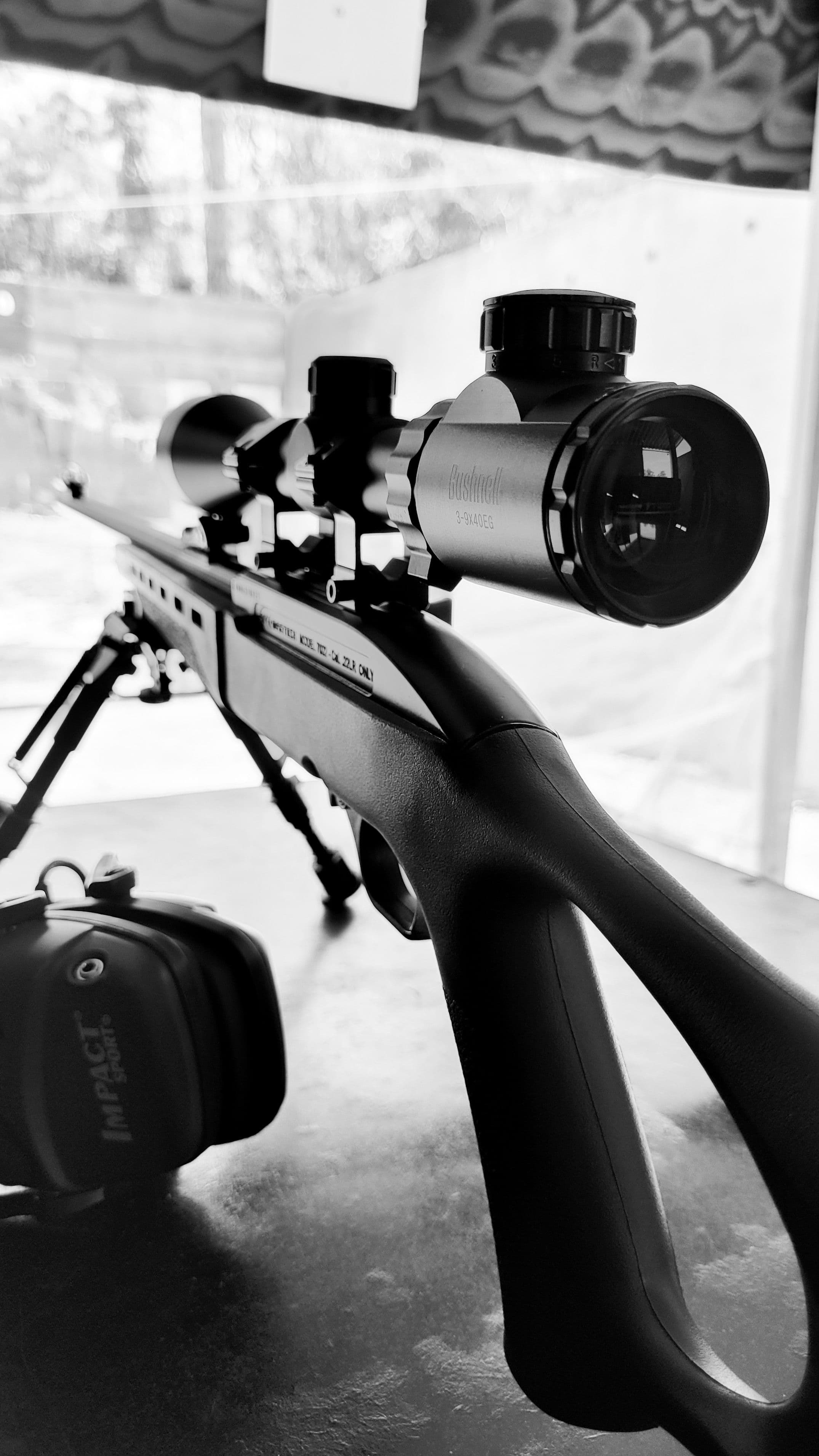
Squareness describes the relationship between the scope's internal adjustment axes and the rifle. If the scope is rotated relative to the bore, then what the turrets call up and down is not truly vertical relative to the rifle.
At close range that is barely detectable. As distance increases it stops being subtle: the shooter dials elevation and the point of impact moves diagonally rather than straight up, because the adjustment axis is tilted. Shooters who stretch out beyond typical hunting distances find this quickly, and it is a frustrating problem to diagnose from behind the rifle because everything feels normal.
It is also a problem that compounds with the shooter's own hold. A rifle that is canted in the shoulder and a scope that is rotated in the rings produce errors that can either cancel or add depending on the day, which is exactly the kind of inconsistency that makes people doubt their own shooting.
Why Even Clamping Matters
The second half of a good mount is that everything is held evenly and consistently. Too loose and components move under recoil, which is the zero problem described above. Too tight, or unevenly tightened, and the scope tube is stressed, which can affect the optic's internals.
You will notice we are not publishing numbers here, and that is deliberate. Correct values vary by manufacturer, by ring and base design, and by material, and a figure that is right for one setup can be wrong for another. Applying a number found online to hardware it was not intended for is a good way to damage a scope or leave a mount that will not hold.
What matters for an owner is knowing that this is a specified value rather than a matter of feel, that it differs across hardware, and that guessing at it has real consequences. If you want it done to spec, that is exactly the sort of thing a shop does routinely.
What Professional Mounting Covers
The scope of the work depends on the rifle and hardware, but it follows a consistent shape.
- ◆Checking that the chosen rings, bases, and optic are actually compatible with the rifle
- ◆Assessing the mounting surfaces on the receiver and correcting issues before fitting
- ◆Confirming ring alignment so the scope is not stressed when clamped
- ◆Setting the optic square relative to the rifle rather than by eye
- ◆Positioning for correct eye relief with the shooter's actual hold in mind
- ◆Fastening to the specified values for that hardware, evenly
- ◆A final check of the assembled system before the rifle goes back
That first item catches more problems than customers expect. A meaningful number of mounting jobs begin with the discovery that parts bought separately do not work together on this particular rifle, which is a much better thing to find on the bench than at the range.
Rings, Rails, and One-Piece Mounts
Owners frequently ask which mounting approach is best, and as with optics themselves the answer depends on the rifle and the use rather than being universal.
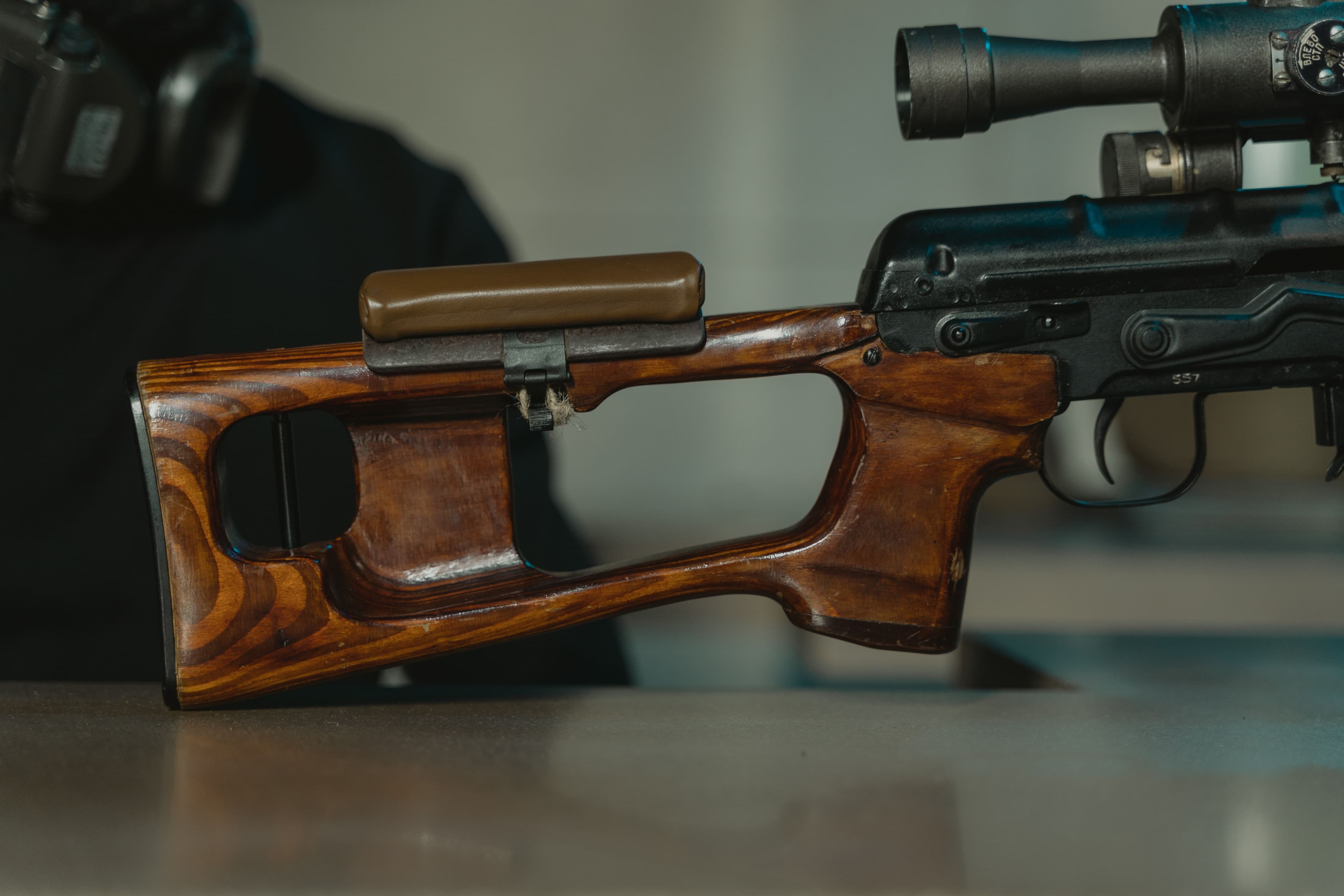
Separate rings on bases are the traditional arrangement and remain entirely sound. One-piece mounts remove one set of interfaces and can make alignment easier, which is why they are common on rifles that get moved around. Rail systems offer positioning flexibility, which matters when eye relief needs adjusting for a particular shooter or shooting position.
What matters more than the category is that the parts suit the rifle, suit each other, and are of a quality proportionate to the optic they are holding. We see good optics compromised by inadequate mounting hardware regularly, and it is a poor trade. If you are unsure which arrangement suits your rifle, ask before ordering.
Mounting Is Not Zeroing
Worth separating clearly, because customers sometimes expect one when they booked the other. Mounting establishes that the optic is correctly and securely fitted to the rifle. Zeroing is the process of adjusting it so the rifle shoots where the sights indicate, at a chosen distance, with the ammunition you actually use.
A properly mounted scope makes zeroing straightforward and makes the zero hold once achieved. It does not replace the step. Plan to zero after mounting, with the ammunition you intend to use, rather than assuming a rifle comes back ready to hunt.
Before You Buy Hardware
The single most useful thing an owner can do is ask before purchasing rather than after. Ring height, base type, optic tube diameter, objective size, and the rifle's own mounting provisions all have to work together, and the combinations that do not are not always obvious from product listings.
If you tell us the rifle, the optic you are considering, and how you intend to use it, we can tell you whether that combination works before money changes hands. That conversation costs nothing and has saved a good number of customers from a return shipment.
Booking Scope Work
We mount optics for customers across Pahrump and from Las Vegas, Henderson, and the wider Southern Nevada area, on hunting rifles, modern sporting rifles, and older guns alike. Autumn is the busy stretch for obvious reasons, so if you have a season in mind it is worth booking with some margin.
Bring the rifle unloaded and cased, along with the optic and mounting hardware if you already have them. Our scope mounting page covers the service, our rifle work page covers accuracy problems more broadly, and the contact page is the quickest way to arrange a visit.
Frequently Asked Questions
Why is scope mounting worth paying for?
+
Because tolerance, not complexity, is what makes it precision work. A mount that is fractionally off produces symptoms identical to a rifle problem, costing owners far more in investigating everything else than the mounting job would have cost.
What does squareness mean in this context?
+
It describes the relationship between the scope's adjustment axes and the rifle. If the scope is rotated relative to the bore, what the turrets call up and down is not truly vertical, so dialling elevation moves point of impact diagonally. It becomes obvious as distance increases.
Why will you not publish torque values?
+
Because correct values vary by manufacturer, ring and base design, and material. A figure that is right for one setup can be wrong for another, and applying a number found online to hardware it was not intended for can damage a scope or leave a mount that will not hold.
My rifle will not hold a zero. Is that the scope?
+
Check the mount first. If any part of the mounting system can move fractionally under recoil, the optic is not returning to the same place. Groups that land in different places, rather than simply opening up, point at the mount rather than the barrel.
Does mounting include zeroing?
+
No, they are separate. Mounting establishes that the optic is correctly and securely fitted. Zeroing adjusts it so the rifle shoots where the sights indicate, at your chosen distance, with the ammunition you actually use. Plan to zero after mounting.
Should I buy rings and bases before coming in?
+
Ask first if you can. Ring height, base type, tube diameter, objective size, and the rifle's own provisions all have to work together, and incompatible combinations are not always obvious from product listings. A short conversation beforehand saves a return shipment.