
August 25, 2026 · Optics and Sights
This question comes across the counter constantly, usually phrased as which is better. It does not have a general answer, which is unsatisfying but true. Irons, red dots, and magnified optics solve different problems, and the right one depends on what you are actually doing with the firearm rather than on which is objectively superior.
What follows is how we think it through with customers. It is not a product guide and we are not going to name brands, partly because that changes constantly and partly because the reasoning matters more than the shopping list.
Start With Distance and Terrain
The most useful first question is not what you want but where you shoot and how far. Southern Nevada gives you a wide spread of possible answers within a short drive, and that genuinely changes the recommendation.
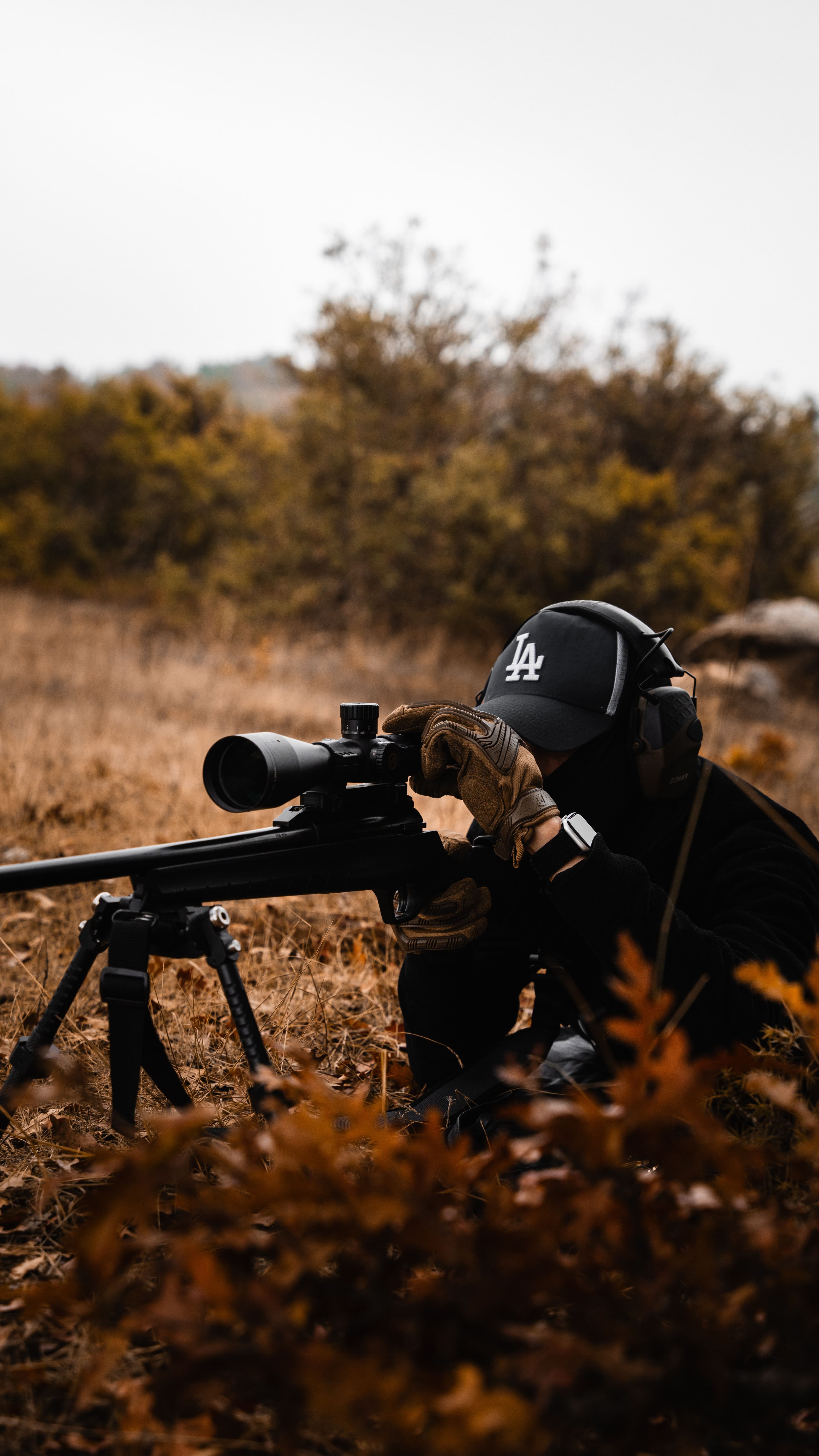
Open desert country where you are glassing across distance is a different problem from close, broken terrain. A shooter who expects most shots well beyond a couple of hundred yards and one who expects most inside fifty are not looking for the same thing, and equipment that suits one will actively hinder the other.
The honest exercise is to think about the shot you actually take most often rather than the longest one you can imagine. People consistently equip for the outlier and then live with the compromise on every ordinary shot.
The Three Options
Iron Sights
Still the most robust option, with nothing to lose zero, no batteries, and no glass to fog or break. On the right firearm at the right distances they are entirely sufficient, and on cowboy action guns and traditional platforms they are frequently the only appropriate choice.
The costs are real though. Iron sights demand more of the shooter's eyes, particularly as those eyes get older, and they are slower to acquire under pressure than a good red dot. Precision at distance is limited by what the sight picture can resolve. For many owners the decisive factor is simply age: irons that worked fine a decade ago stop working as well, and that is not a failure of technique.
Red Dots
The strength is speed and simplicity. A single aiming point, no parallax to speak of at practical distances, and both eyes open. For close and moderate distances, for shooters whose eyes struggle with irons, and for anything where target acquisition speed matters, a red dot is frequently the biggest practical improvement available.
The trade-offs are magnification, which you do not get, and dependence on a battery and an emitter. Battery life on current optics is generally excellent, but it is a dependency that irons do not have, and it is a reason many shooters keep backup irons on a rifle.
Magnified Optics
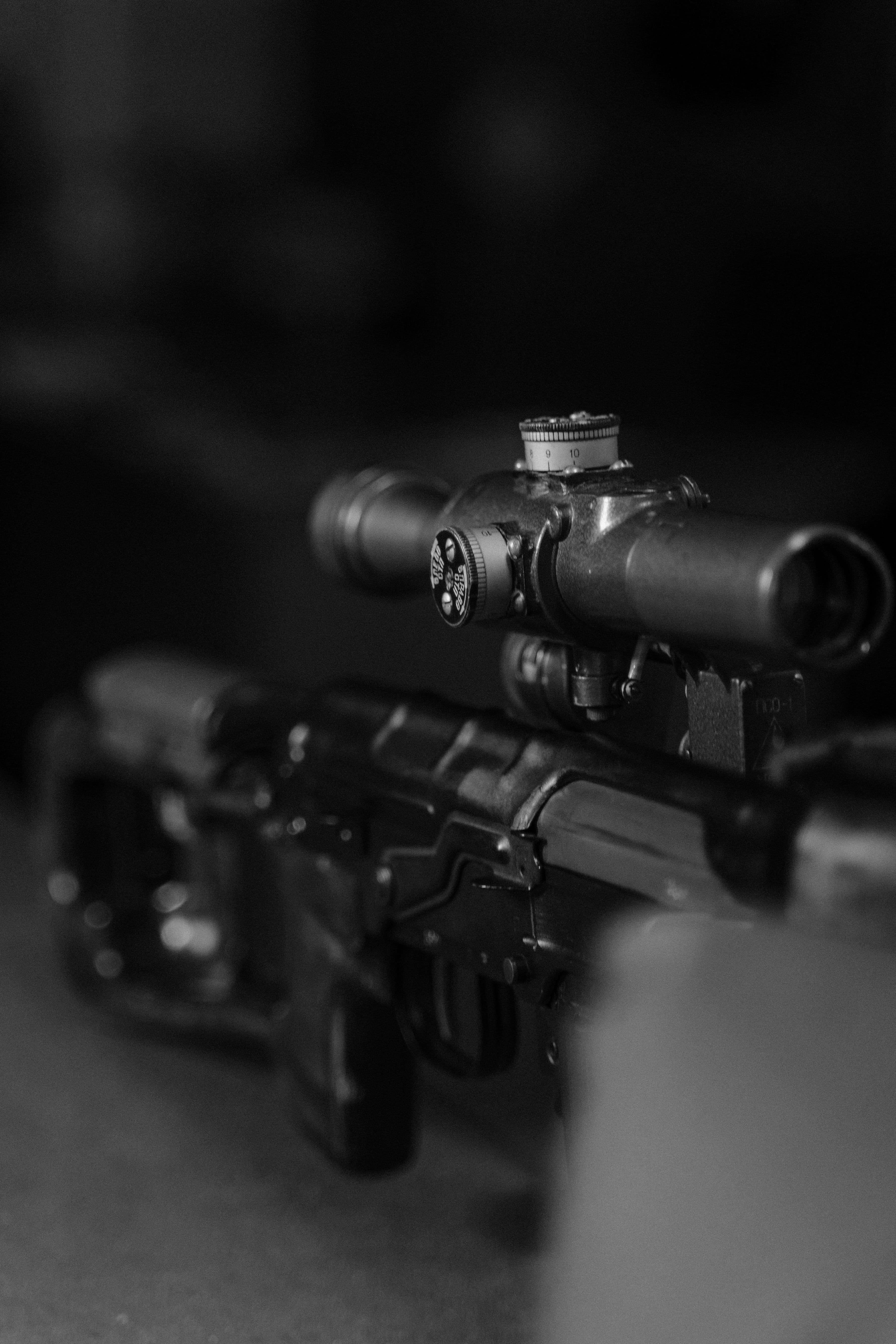
The right answer when you need to identify a target and place a shot precisely at distance. Magnification lets you see what you are shooting at, which matters for both accuracy and responsibility, and a good optic with clear glass makes a real difference in low light at the ends of the day.
The costs are weight, bulk, a narrower field of view, and slower acquisition up close. Higher magnification is not automatically better either. Excess magnification amplifies wobble, narrows the field of view further, and can make a rifle harder to shoot well at the distances the owner actually uses.
Matching the Choice to the Firearm
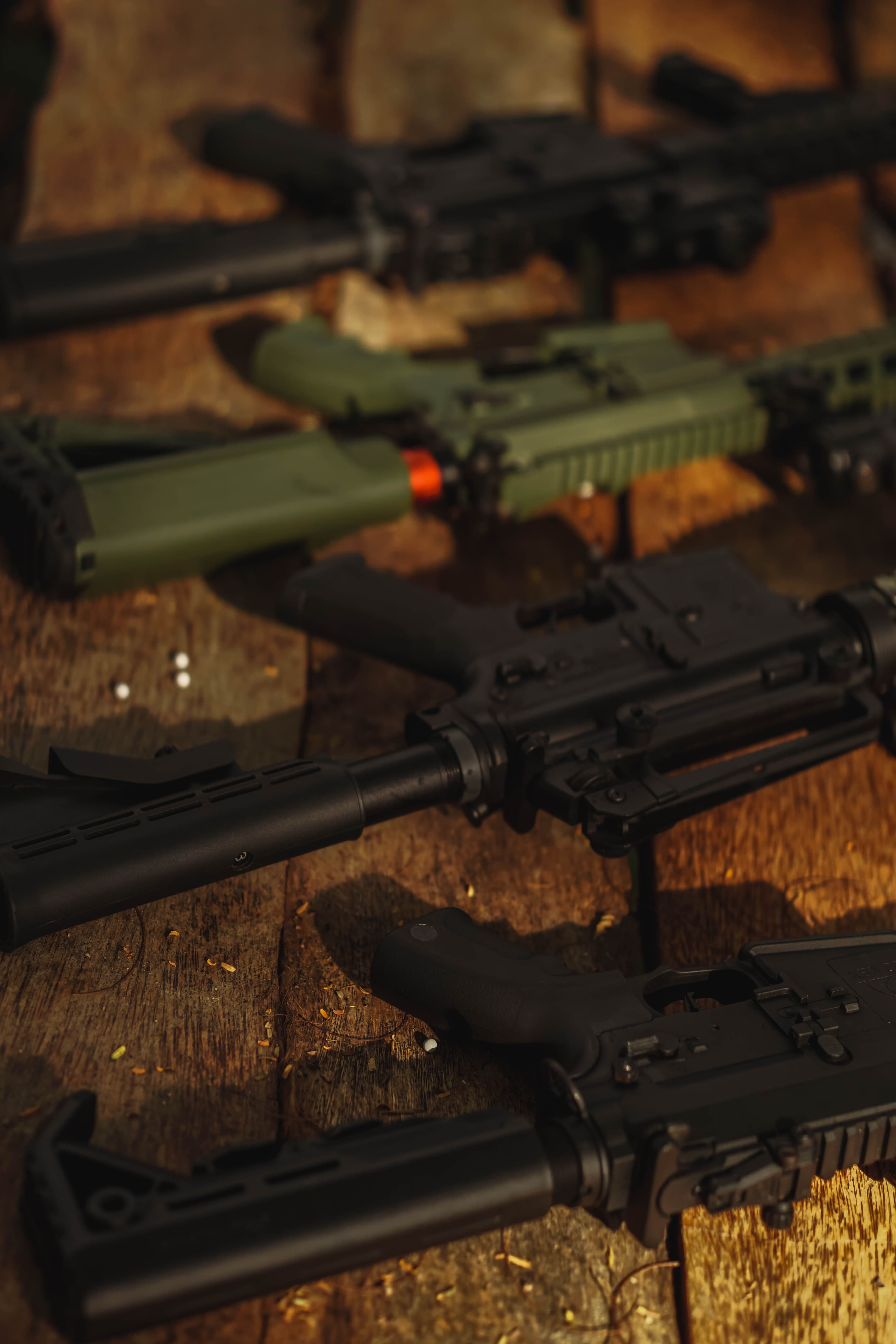
The firearm constrains the decision more than people expect. Some rifles have no provision for mounting an optic without additional work. Some have provisions that limit ring height or position. On older firearms, adding an optic may involve changes the owner has not considered and may not want on a gun with original character.
Recoil matters too. Not every optic is built to survive being mounted on a hard-recoiling rifle, and eye relief becomes a safety consideration rather than a comfort one on heavier calibres. That is worth settling before purchase rather than after.
This is also where cowboy action and traditional shooters have the question decided for them. Category rules and the character of the firearm both point at period-correct irons, and our cowboy action gunsmithing page covers sight work on those platforms.
Southern Nevada Conditions
A few local factors are worth weighing. Bright, high-contrast desert light is hard on cheap glass, and the difference between adequate and good optics is more obvious here than in flatter light. Dust is a constant, which favours sealed units and makes lens covers more useful than they sound.
Heat matters for storage rather than use. An optic left in a vehicle through a Southern Nevada summer is experiencing conditions well beyond what the ambient temperature suggests, and batteries in particular do not enjoy it.
Where the Money Actually Goes
Optics pricing confuses people because the range is enormous and the differences are not always visible in a product listing. It is worth understanding roughly what you are paying for as the price climbs.
At the lower end you are mostly buying basic function. Moving up, the money goes into glass quality and coatings, which show up as clarity and contrast particularly in poor light, and into mechanical reliability, meaning adjustments that track accurately and repeatably and hold zero under recoil. Further up you are paying for refinement, durability under hard use, and features many owners will never need.
The practical guidance we give most often is to buy in the range where mechanical reliability is dependable and stop worrying about the tier above unless you have a specific reason to go there. An optic that will not hold a zero is not a bargain at any price, but neither is paying for capability that does not match how you shoot.
The other honest note is that dawn and dusk are when glass quality earns its money. If your shooting happens in good light at moderate distance, the difference between good and excellent optics is far less noticeable than the marketing suggests.
Practical Questions Before You Buy
Whatever direction you are leaning, these are worth answering honestly first.
- ◆What distance do you actually shoot most often, not at most?
- ◆How quickly do you need to get on target, and does that matter for your use?
- ◆How are your eyes with irons now, honestly, rather than a decade ago?
- ◆Does your firearm have provisions for an optic, or would that need work?
- ◆Do you want backup irons alongside an optic, and will the heights allow it?
- ◆What is the whole budget, including rings, bases, and mounting?
That last point catches people out regularly. An optic budget that does not account for quality rings, bases, and correct mounting frequently results in good glass held on by hardware that is not up to the job, which is a poor way to spend money. The mount is not the place to economise.
Ask Before You Order
The most common frustration we see is a customer arriving with an optic and mounting hardware that cannot work together on their rifle. It is easily avoided. Tell us the firearm, what you are considering, and how you intend to use it, and we can tell you whether the combination works before anything is bought.
We are not trying to sell you a particular product, and we will happily tell you that the sights already on your firearm are fine for what you do. Sometimes the honest recommendation is to spend nothing.
Once you have decided, our scope mounting page and sight installation page cover the fitting side, and our services page lists the wider range of work. We help owners across Pahrump, Las Vegas, Henderson, and the surrounding Southern Nevada area, and the contact page is the quickest way to start the conversation.
Frequently Asked Questions
Which is better, a red dot or a magnified scope?
+
Neither in the abstract. They solve different problems. Red dots favour speed and simplicity at close to moderate distance; magnified optics let you identify and place shots precisely further out. The right answer depends on the distance and terrain you actually shoot.
Are iron sights still worth using?
+
On the right firearm at the right distances, yes. They are robust, need no batteries, and have nothing to lose zero. On cowboy action and traditional platforms they are frequently the only appropriate choice. The main limits are eye demands and precision at distance.
Is more magnification always better?
+
No. Excess magnification amplifies wobble, narrows the field of view, and can make a rifle harder to shoot well at the distances you actually use. Match it to your typical shot rather than your longest imaginable one.
Does Southern Nevada affect the choice?
+
Somewhat. Bright high-contrast desert light shows up poor glass more than flat light does, and constant dust favours sealed units and lens covers. Heat matters mostly for storage, since an optic left in a vehicle here sees conditions well beyond ambient.
Can I put an optic on any firearm?
+
Not without checking. Some firearms have no provision for mounting without additional work, some limit ring height or position, and on older guns adding an optic may involve changes you may not want. Recoil and eye relief also constrain the choice.
How much should I budget for mounting?
+
Include rings, bases, and fitting in the total rather than treating them as an afterthought. Good glass held on by hardware that is not up to the job is a poor way to spend money, and the mount is not the place to economise.