
June 20, 2026 · Cowboy Firearms
There is something about a lever action rifle with a walnut stock and a deep blued finish, or a single action revolver with a case colored frame, that connects directly to a period of American firearm craftsmanship many shooters and collectors still admire. These guns were built in an era when wood and steel were shaped largely by hand, and that heritage still shows in how they look, feel, and function today.
At Custom Gunworks, we have a genuine appreciation for cowboy-style firearms, and we regularly work on lever actions, single action revolvers, and other traditional platforms for owners who want to keep them running well and looking their best.
The Appeal of Lever Actions
The lever action rifle is one of the most recognizable designs in American firearm history, known for its smooth cycling action, classic profile, and the tactile feel of working the lever between shots. These rifles were built for practicality in their era, and that same reliability is a big part of why they remain popular with hunters, cowboy action shooters, and collectors today.
Keeping a lever action running smoothly comes down to attentive maintenance and, when needed, careful repair of the action, springs, and lever linkage. Because many of these rifles use tubular magazines and exposed hammers, their internal geometry benefits from a gunsmith who understands the platform's traditional mechanics.
Single Action Revolvers
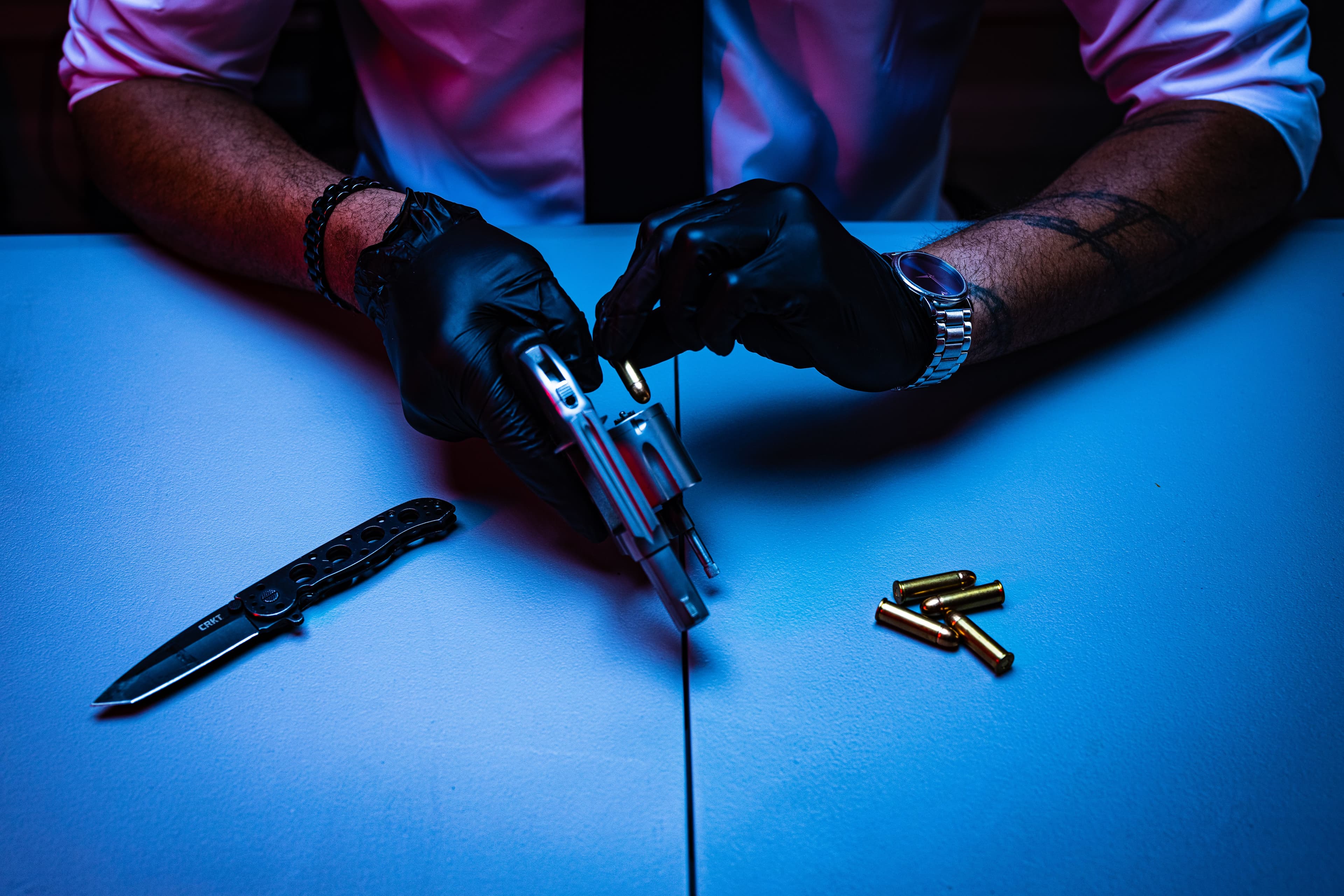
The single action revolver, with its exposed hammer and distinctive profile, remains a favorite for owners drawn to classic western style. These revolvers reward careful, hands-on gunsmithing, since their action design relies on precise timing between the hammer, cylinder, and trigger to function smoothly and safely.
What We Look For
On single action revolvers, we pay close attention to cylinder timing, hammer and trigger engagement, and the overall smoothness of the action as it cycles. These are mechanically simple firearms by modern standards, but that simplicity depends on every part being properly fitted and maintained.
- ◆Cylinder timing and lockup consistency
- ◆Hammer and trigger engagement surfaces
- ◆Action smoothness through full cycling
- ◆Grip frame fit and wood condition
- ◆Overall finish condition on case colored and blued components
Traditional Wood and Blued Steel
Part of what makes cowboy-style firearms so appealing is the material palette itself, richly grained walnut stocks, deeply polished blued barrels, and in some cases case hardened receivers with their distinctive mottled coloring. Maintaining that traditional look takes a different approach than modern synthetic and coated finishes.
Caring for Wood Furniture
Traditional wood stocks benefit from proper oiling, careful attention to checking and cracking, and refinishing techniques that respect the original grain and character of the wood rather than masking it. We approach this work with an eye toward preserving the piece's traditional character.
Bluing and Traditional Finishes
Traditional bluing remains the right choice for many of these firearms, particularly when historical accuracy and classic appearance matter more than the added durability of modern coatings. We can advise on the right finishing approach depending on the firearm and how it will be used and displayed.
Bringing Traditional Craft Into Today's Shop
Working on cowboy-style firearms is one of the more rewarding parts of what we do, because it connects modern gunsmithing tools and precision with techniques and materials that have been respected for generations. Whether you are maintaining a lever action that sees regular use, restoring a single action revolver passed down through your family, or simply want a trusted shop to care for a piece you appreciate for its craftsmanship, we would be glad to take a look.
Frequently Asked Questions
Do you work on lever action rifles and single action revolvers?
+
Yes, we regularly service and restore both platforms, from routine maintenance to more involved repair and restoration work.
What is case coloring and can it be restored?
+
Case coloring is a traditional heat treating process that produces a distinctive mottled finish on steel components. Depending on condition, it can sometimes be refreshed or restored, and we can evaluate your specific firearm to discuss options.
Should I use traditional bluing or a modern finish on a classic firearm?
+
It depends on your goals. Traditional bluing preserves historical accuracy and classic appearance, while modern finishes offer added durability. We can talk through the tradeoffs for your specific piece.
How do I care for a walnut stock on an older rifle?
+
Regular light oiling, avoiding prolonged moisture exposure, and prompt attention to any cracking or checking will help preserve a wood stock's condition and appearance over time.
Can cylinder timing issues on a single action revolver be repaired?
+
In many cases yes. A gunsmith experienced with traditional revolver actions can evaluate timing and recommend the appropriate repair.
Do you handle inherited or family heirloom firearms?
+
Yes, we work with many owners on firearms that have been passed down through their family, and we take extra care with pieces that hold sentimental as well as functional value.