
August 26, 2026 · Cowboy Firearms
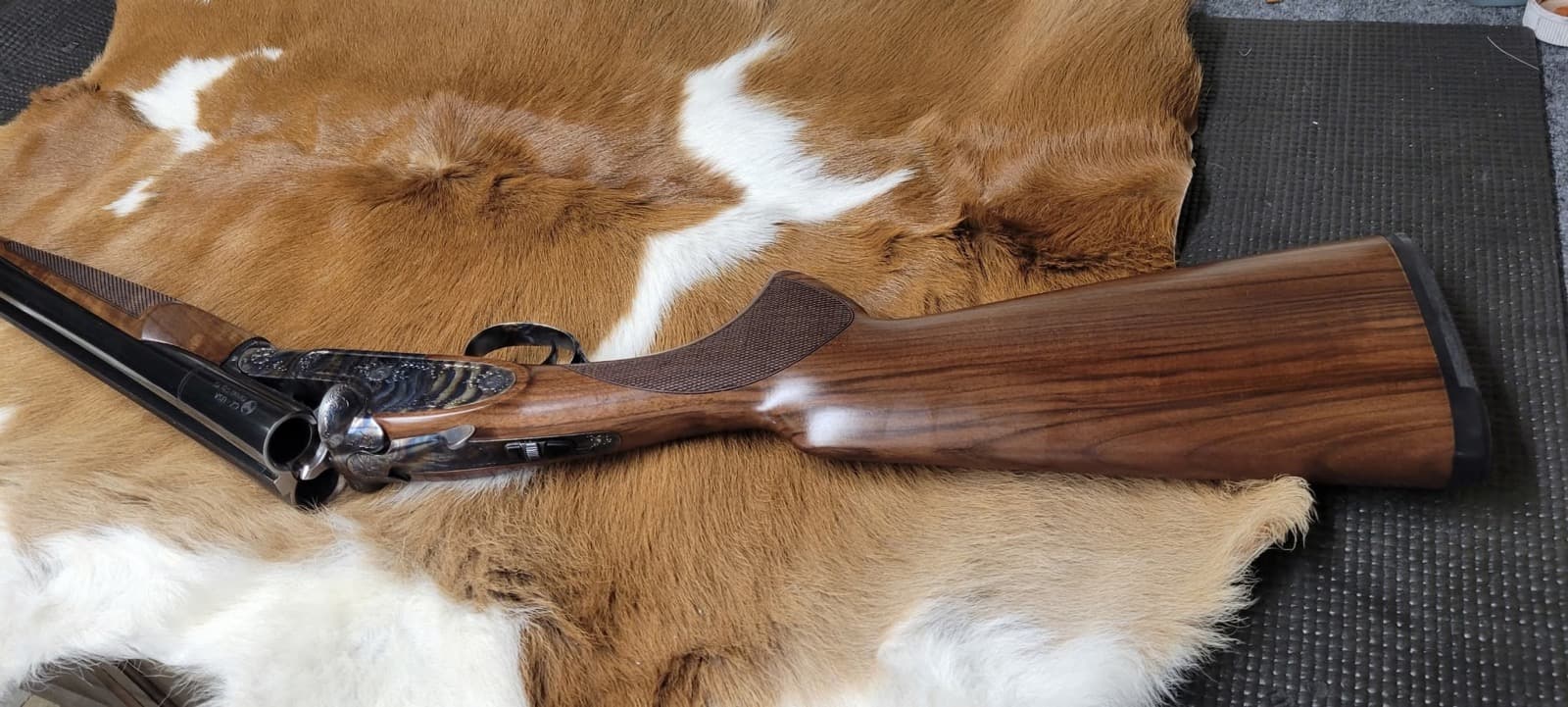
A coach gun has fewer moving parts than a lever-action rifle and far fewer than a semi-automatic, which leads people to assume there is less to go wrong. In practice the opposite tends to be true in competition. Double guns are worked hard, opened and closed constantly, and judged on exactly the qualities that wear affects first.
In cowboy action shooting a shotgun is measured on how easily it opens and how cleanly both hulls clear. Both of those degrade gradually, and because the change is gradual most owners adapt to it without noticing. The gun does not break. It just slowly starts costing time.
Where Wear Shows Up First
Opening and Closing Feel
The most common complaint we hear is simply that the gun has become stiff. It takes more effort to open than it used to, or it does not fall open as readily. That change is worth paying attention to, because it usually reflects something specific rather than general age, and it directly affects speed on a stage.
Ejector and Extractor Timing
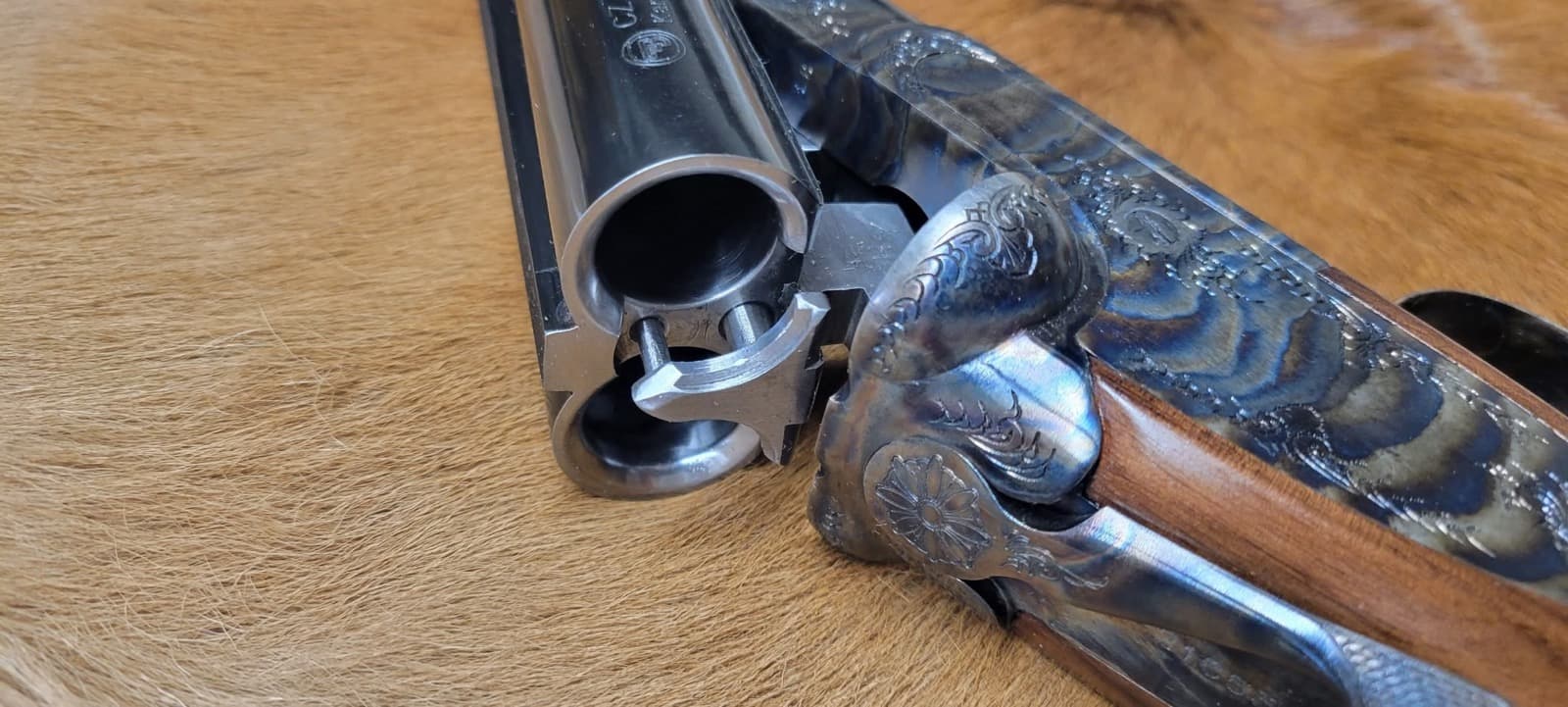
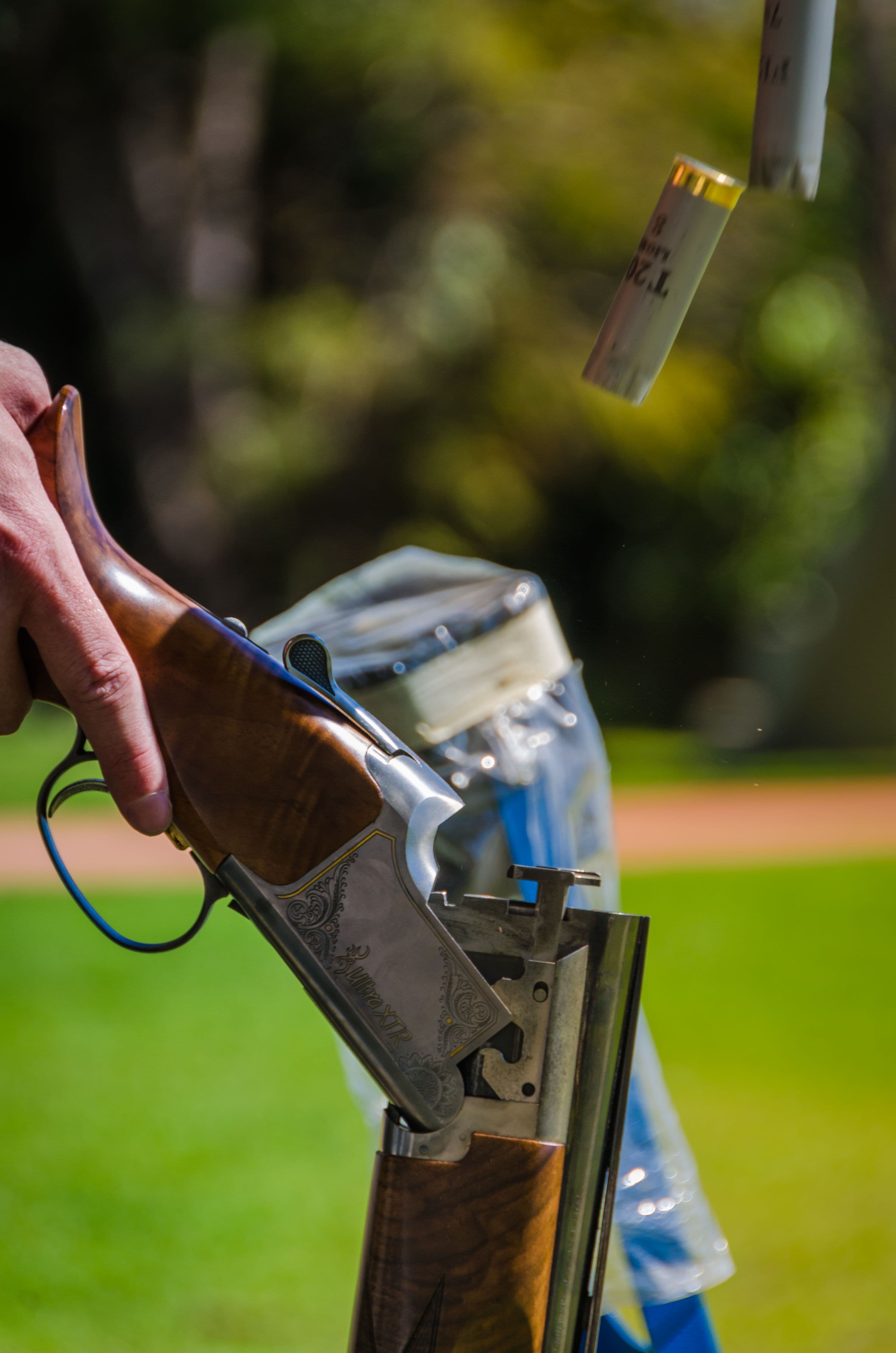
On an ejector gun, both hulls should leave together and cleanly. When timing drifts, one hull clears and the other lifts partway, or one comes out noticeably later than its neighbour. The shooter usually notices this as needing to pick a hull out by hand occasionally, which under a timer is expensive. On an extractor gun the equivalent symptom is hulls lifting unevenly or not far enough to grab confidently.
Lockup and Face Wear
Double guns wear at the point where the barrels meet the standing breech. Over a great many rounds this can produce looseness that the owner may feel as a slight movement when the gun is closed. This is not something to assess by feel and assumption, and it is a specific thing a gunsmith checks during inspection.
Triggers and Safety Function
Trigger feel and safety function get checked on every double gun we see, regardless of what the owner brought it in for. On a gun that has been through a long season these are worth confirming rather than assuming.
Why Gradual Change Is Easy to Miss
This is the part worth being honest about. Very few owners bring in a shotgun the week it starts to change. What happens instead is that the gun gets a little stiffer, the shooter compensates slightly, and six months later they are working noticeably harder without ever having made a conscious decision to accept that.
One useful habit is to pay attention to how a gun feels at the start of a season compared with how you remember it at the end of the previous one. If your recollection is that it used to open more easily, that is worth acting on. Another is simply to have it looked at between seasons as a matter of routine, in the same way you would service anything else you rely on.
What a Shotgun Inspection Covers
When a double gun comes in for cowboy action service, this is the ground we cover.
- ◆Opening and closing feel through the full range of movement
- ◆Ejector or extractor timing, and whether both hulls clear together
- ◆Lockup and the condition of the bearing surfaces involved
- ◆Trigger function on both barrels and the condition of the safety
- ◆Stock fit and condition, since a poor fit costs comfort and consistency
- ◆Overall wear, and an honest assessment of what is worth addressing
As with the rest of our cowboy action work, we are describing what gets checked rather than how the corrections are made. Work on the parts that determine whether a shotgun fires safely belongs on a bench with proper tools and someone trained to do it.
Hammer Guns and Other Variations
Not every double gun in the sport is the same. External hammer guns are used in some categories and bring their own considerations, particularly around hammer and sear condition. Guns with double triggers and guns with a single trigger present differently when something goes wrong. Barrel length varies, and the short barrelled coach guns favoured for match use see a particular pattern of handling wear.
All of these are worth mentioning at intake, along with which categories you shoot. What matters on a gun used for a specific category is not always what matters generally, and knowing how you use it shapes what we prioritise.
Stock Fit and the Time It Quietly Costs
Stock fit is the part of shotgun performance owners are least likely to raise and most likely to be affected by. A gun that does not fit the shooter is harder to mount consistently, and inconsistent mounting on a timed stage costs more than most people credit. Over a long match day it also costs comfort, and a shooter who is being knocked about by recoil is not shooting their best late in the day.
Length of pull is the dimension most often out, particularly on guns bought secondhand or handed down, where the previous owner may have been a very different size. It is a routine thing to assess and frequently a straightforward thing to improve, and the difference in how naturally a gun comes to the shoulder can be considerable.
If you have never had fit looked at and you have simply adapted to whatever the gun does, it is worth raising at intake. Bring it up alongside whatever else you came in for; it costs nothing to have an opinion on it while the gun is already with us.
What We Cannot Tell You Over the Phone
We are always happy to talk through a problem before you make the drive, and often we can give you a good sense of what is likely going on. But there are limits worth being honest about. Lockup condition, ejector timing, and the state of the bearing surfaces are assessed with the gun in hand and, in most cases, with it apart.
That is not a sales position, it is a practical one. A description over the phone tells us what the gun is doing; it does not tell us why. If someone offers you a confident diagnosis of a double gun sight unseen, treat that with some caution. What a phone call is genuinely good for is establishing whether a visit is warranted and what to expect when you make it.
Cleaning, Fouling, and Southern Nevada Conditions
Shotguns in this sport see high round counts, and for shooters running black powder the fouling is considerably more aggressive than most people expect. Combined with the fine dust common across Pahrump and the wider Southern Nevada area, that produces conditions in which a gun can change noticeably over a single busy weekend.
Regular cleaning helps a great deal, and it is genuinely worth doing properly rather than quickly. Where fouling and wear have gone further than routine cleaning will address, a professional clean and inspection is the sensible next step, and it frequently surfaces small issues before they become expensive ones.
Bringing a Shotgun In
If your double gun has become stiff to open, if hulls are not clearing together, if you have started picking one out by hand, or if anything about the lockup feels different, those are all worth an inspection. So is a gun that is new to you, inherited, or has not been used in a long while.
Shooters come to us from across Southern Nevada, and many bring their coach gun in alongside the rest of a match set so everything is assessed together. Our shotgun work and cowboy action gunsmithing pages describe the service in more detail, and the contact page is the fastest way to arrange a visit.
Frequently Asked Questions
Can you inspect or tune a cowboy-action shotgun?
+
Yes. We service side-by-side and coach guns for opening and closing feel, ejector and extractor timing, and trigger and safety function. If a double gun is opening stiffly or leaving a hull behind, bring it in and we will diagnose it.
My coach gun leaves one hull behind. What causes that?
+
Most often it points at ejector or extractor timing drifting, so that one hull clears and the other lifts only partway. It is a common symptom and a routine thing to assess.
The gun has become stiff to open. Is that just age?
+
Not usually. Stiffness normally reflects something specific rather than general age, and since opening speed matters directly in competition it is worth having looked at.
Do you work on external hammer guns?
+
Yes. Hammer guns are used in some categories and bring their own considerations around hammer and sear condition. Mention the type and the categories you shoot at intake.
How often should a competition shotgun be inspected?
+
Between seasons is a sensible baseline for a gun in regular match use, and sooner if you notice a change in how it opens or how hulls clear.
Does black powder fouling affect shotguns badly?
+
It is considerably more aggressive than many owners expect, and combined with Southern Nevada dust a gun can change noticeably over one busy weekend. Thorough cleaning matters, and a professional clean and inspection is worthwhile when fouling has gone beyond routine care.