
August 29, 2026 · Gunsmithing Tips
There is a particular kind of repair story we hear often enough that it has become familiar. A firearm started malfunctioning, the owner searched online, found a common culprit, ordered the part, fitted it, and the problem continued. Then a second part, then a third. By the time it reaches us, several components have been changed, a fair amount of money has been spent, and the original fault is still there.
Nobody involved did anything unreasonable. The advice that suggested those parts was probably accurate for the case it described. The problem is that a symptom is not a diagnosis, and treating it as one turns repair into a process of elimination paid for one component at a time.
Why Parts Swapping Is Tempting
It is tempting because it occasionally works, and because it feels like progress. Ordering a part is a concrete action, whereas diagnosis is slower and less visible. There is also no shortage of confident advice available identifying the usual suspect for any given symptom.
The trouble is what happens when the guess is wrong. You have not just failed to fix the problem; you have introduced a new variable. The replacement part may fit differently from the original, may need fitting rather than dropping in, and may create a second issue layered on top of the first. Now there are two things to untangle instead of one, and the history of what was changed is often incomplete by the time anyone tries.
This is why, when a firearm arrives that has already been worked on, one of our first questions is what was done and by whom. It is not a criticism. It genuinely changes where we look.
What Diagnosis Actually Involves
Diagnosis starts before the firearm comes apart, with the conversation at intake. What is the firearm doing, when did it start, how often does it happen, what ammunition was in use, and has anything changed recently. Those answers narrow the field considerably before a single tool is picked up.
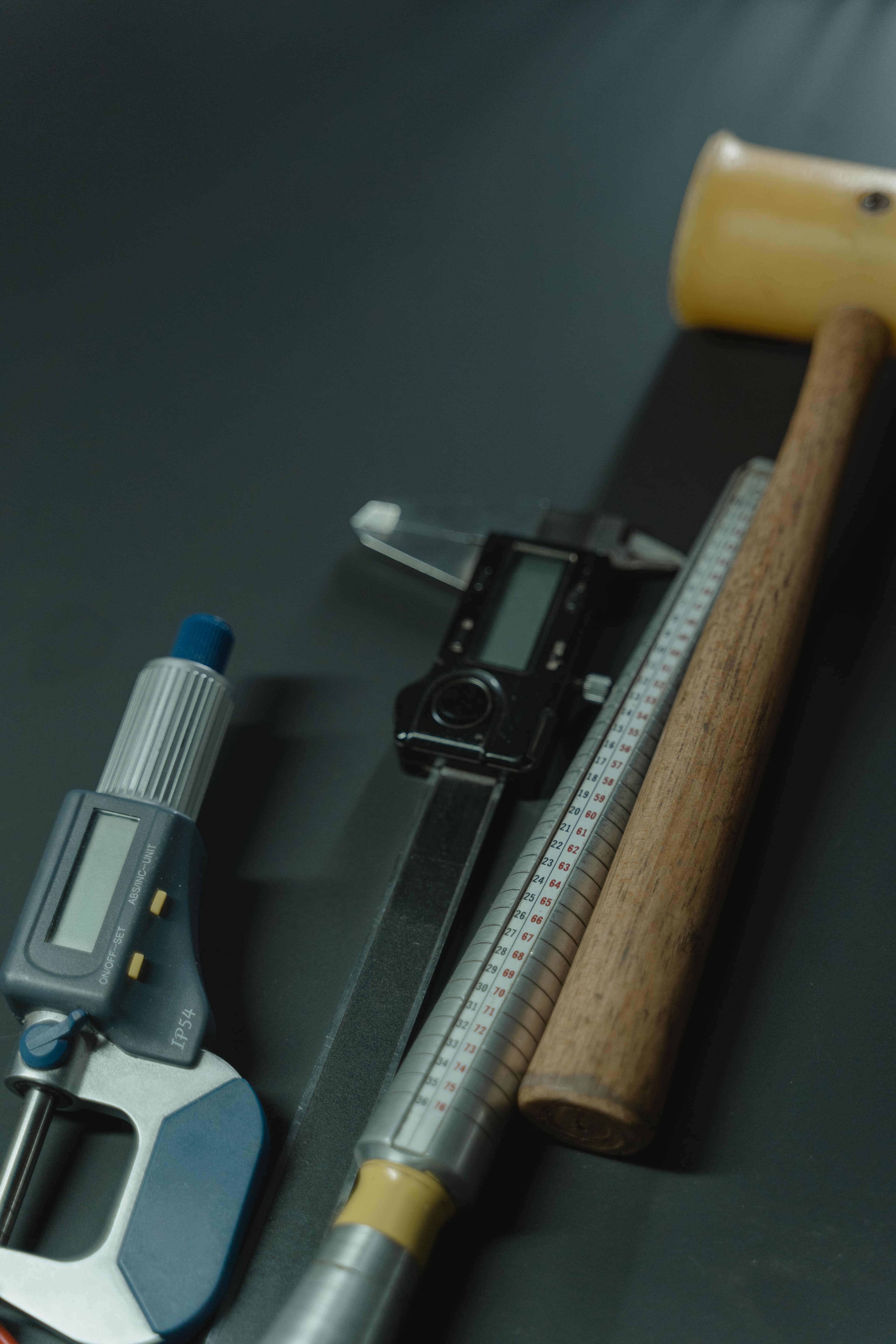
From there the work is systematic rather than intuitive. The firearm is examined, function is checked through its cycle, and the components involved in the reported symptom are assessed against what they should be. Where measurement is appropriate, things get measured rather than eyeballed. The aim is to identify the actual cause, not the most likely candidate.
- ◆Intake conversation to establish the symptom, its history, and any recent changes
- ◆External examination and assessment of overall condition and wear
- ◆Function check through the relevant part of the operating cycle
- ◆Disassembly to the level the symptom requires, not further
- ◆Assessment and, where appropriate, measurement of the components involved
- ◆A call to the customer with what we found, what we recommend, and what it costs
That last step is not a formality. Finding the cause and agreeing the fix are separate things, and the second one is the customer's decision to make with accurate information in front of them.
One Symptom, Several Possible Causes
Failures to Feed
Among the most common complaints and among the least specific. The cause can sit in the magazine, the feed geometry, the extractor, the recoil spring, the chamber, or in the ammunition being used. Several of those are cheap to replace, which is precisely why people replace them speculatively, and why that approach so often does not resolve it.
Light Strikes
A round that does not fire on the first attempt points at several possibilities at once. It might be a firing pin issue, a spring that has lost its temper, contamination in the channel, headspace, or the ammunition itself. Deciding between them requires looking, not guessing, and the wrong guess here has safety implications rather than merely financial ones.
A Trigger That Has Changed
Owners describe this as gritty, heavier, inconsistent, or simply different. The cause could be contamination, ordinary wear on engagement surfaces, a spring, or previous work that did not hold up. This is also the area where we most strongly discourage owner intervention, because the parts involved govern whether the firearm fires only when intended.
What Diagnosis Saves You
The obvious saving is money not spent on parts that were never the problem. The less obvious one is time, both the weeks lost to a cycle of ordering and fitting and the additional work required later to unpick changes that were not needed.
There is a third saving worth naming. A firearm that has had several speculative repairs is harder to assess than one that has not, because its current state no longer matches the factory baseline. Keeping a firearm close to known condition makes every future repair simpler, and that has value beyond the job in front of you.
What Useful Information From You Looks Like
Customers frequently apologise for not knowing the technical terms, which is entirely unnecessary. Plain description is more useful than technical vocabulary used uncertainly, because a misapplied term sends us looking in the wrong place.
The details that genuinely help are concrete and observational. What exactly happens, and at what point in the cycle. Whether it occurs on the first round, partway through, or on the last. How often, in rough terms, such as once a box or every few rounds. Whether it happens with more than one type of ammunition. And whether anything changed around the time it started, including cleaning, storage, a new magazine, or work done elsewhere.
If you can reproduce the malfunction reliably, say so, because that is genuinely valuable. If you have a photograph of a case or a component that looked wrong, bring it. None of this requires any expertise, and all of it shortens the diagnosis.
When the Answer Is Not a Repair
Diagnosis sometimes concludes that the right course is not the one the customer expected. A part may be worn past the point where anything short of replacement is appropriate, and occasionally a firearm is worn to a degree where the honest recommendation is that further repair does not make economic sense.
Sometimes the finding is simpler and more welcome. A meaningful share of malfunctions trace back to fouling, contamination, or ammunition rather than to a mechanical fault at all, in which case a thorough clean and inspection resolves it and no parts are needed. We would rather tell you that than find something to charge for.
Either way, you get the finding and the reasoning, and the decision stays with you. Our gun repair page covers the service, our gunsmithing page covers the broader work, and the FAQ page answers a number of the practical questions people ask before a first visit.
Working With Customers Across Southern Nevada
We are in Pahrump, and a good share of our repair work comes from owners driving out from Las Vegas and Henderson. That distance is one more reason diagnosis matters. Nobody wants to make the trip twice because a first guess did not hold, and an accurate assessment on the first visit is worth a great deal more when the drive is an hour each way.
If you have a firearm that has been misbehaving, or one that has already had parts thrown at it, bring it in and bring the history. Tell us what has been done, what was tried, and what the firearm is doing now. Use the contact page to arrange a visit, and we will start where the evidence points rather than where the guesses did.
Frequently Asked Questions
Why not just replace the part most likely to be at fault?
+
Because when the guess is wrong you have not only failed to fix the problem, you have added a variable. A replacement may fit differently or need fitting, which can create a second issue layered on the first. Now there are two things to untangle.
What does a proper diagnosis involve?
+
An intake conversation about the symptom and its history, external examination, a function check through the relevant part of the cycle, disassembly only as far as the symptom requires, assessment and measurement of the components involved, then a call with the findings and an estimate.
Can you tell me the cause over the phone?
+
Usually not with confidence, because common symptoms have several possible causes. A failure to feed can originate in the magazine, feed geometry, extractor, recoil spring, chamber, or the ammunition. A phone call is good for establishing whether a visit is warranted.
My firearm has already had parts replaced. Does that matter?
+
It matters and it is worth telling us. It is not a criticism; it genuinely changes where we look, since the firearm no longer matches its factory baseline and previous changes may have introduced their own effects.
What if the problem turns out not to be mechanical?
+
That happens regularly. A meaningful share of malfunctions trace to fouling, contamination, or ammunition rather than a fault. In that case a thorough clean and inspection resolves it and no parts are needed, and we will tell you so.
Will I know the cost before work starts?
+
Yes. We call you with what we found, what we recommend, and what it will cost. Finding the cause and agreeing the fix are separate steps, and the second one is your decision.